Real Estate Signs: Types, Rules, and How to Stand Out
A real estate brokerage that opened a second office in a competitive suburban market spent its first year generating deals almost entirely through agent relationships and digital leads – the office itself wasn’t contributing meaningfully to brand visibility in the area. The broker-owner commissioned a full exterior sign package for the new office: channel letters above the entrance, a monument sign at the parking lot entrance, and a coordinated set of yard sign frames and riders in the brand’s colors for listing use across the market area. Within six months, the brand had meaningful recognition in the submarket – agents from competing brokerages were asking which brokerage had the new signs because they were seeing them on listings throughout the area. The signs hadn’t closed a single deal on their own, but they had built the brand recognition that made every agent introduction and every listing appointment easier. Real estate signs are one of the most studied categories of business signage in terms of measurable impact, and this guide covers how to use them effectively across both office branding and listing presentation.
The Role of Signs in Real Estate Marketing
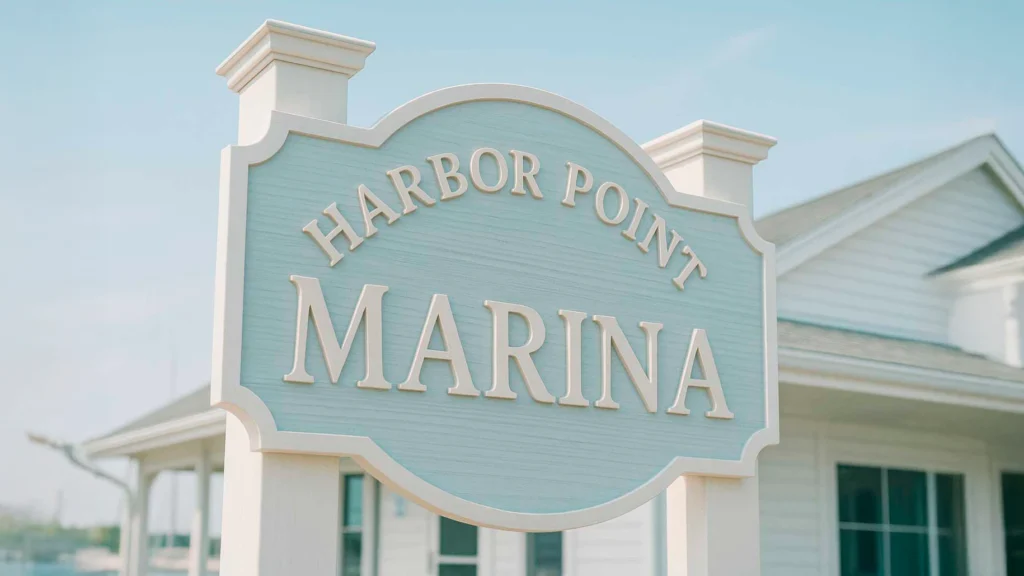
Real estate is a category where signage plays a dual function that’s unusual among business types: it both identifies a business location (the brokerage office) and actively markets individual products (the property listings). No other industry deploys signs across hundreds or thousands of individual locations simultaneously the way real estate does with yard signs, making the visual consistency and brand quality of those signs a significant cumulative marketing asset.
Real estate signboards at listing properties are the most visible expression of a brokerage’s brand in the markets where it operates. A brokerage with 50 active listings has 50 simultaneous brand impressions in the yards and windows of properties throughout the market – impressions seen by every neighbor, every person driving through the area, and every prospective buyer visiting similar properties. The cumulative visual brand impact of those 50 signs, multiplied across a full calendar year of listings, is substantial, and it’s entirely determined by the quality and consistency of the sign design and materials used.
Realtor sign quality signals agent and brokerage quality to homeowners who are evaluating listing proposals. A seller comparing two listing proposals from brokerages – one with a well-designed, cleanly fabricated sign frame and rider system; one with older, faded generic signs – is receiving visual information about each agent’s attention to presentation detail. Signage quality is one of many factors homeowners use to evaluate professionalism, and it’s one that’s entirely within the agent’s control.
Custom lawn signs and sign frames also serve a practical findability function that listing photography and online descriptions don’t: they help buyers physically locate a property they’ve identified online. A clearly visible, properly branded yard sign at the property address eliminates the uncertainty of “is this the right house?” that can undermine the buyer experience before they’ve even approached the door – a subtle but real factor in first impressions of a showing.
Types of Real Estate Signs and When to Use Each
Custom lawn signs – the standard format for residential property listings – consist of a sign panel (typically 18×24 inches for residential) mounted in a wire or post-and-frame ground stake, positioned in the front yard at the property. These signs display the brokerage brand, the listing agent’s name and contact information, and typically a web URL or QR code linking to the online listing. Sign panel material, print quality, and frame quality all affect how the sign reads in the yard and how it holds up through weeks or months of outdoor exposure.
Custom sign yard formats vary by market and price point. Standard residential listings typically use a single-panel wire stake sign; more substantial post-and-frame systems (a rectangular frame mounted on two posts driven into the ground) provide a more premium appearance appropriate for higher-value listings or markets where the larger frame format is standard. Post-and-frame systems also accommodate riders – smaller supplementary panels that clip to the top or bottom of the main sign and display additional information: “Open Sunday,” “Just Listed,” “Price Reduced,” or the agent’s direct contact information.
Custom signs for yard in commercial real estate follow different conventions than residential listings. Commercial property signs are typically larger (24×36 inches or larger for substantial commercial listings), use post-mounted or window-mounted formats rather than wire stakes, and often include more detailed information about the property – square footage, zoning, contact information for multiple brokers, and sometimes dimensional specifications of the space. Commercial real estate signs also remain on properties for longer periods on average than residential listings, making sign material durability a more significant consideration.
Office identification signs for real estate brokerages follow the same principles as any retail or professional service exterior signage – channel letters for street-level visibility, monument signs at parking lot entries, and interior lobby signage for professional presentation. The specific challenge for real estate office signage is brand system consistency: the office signs, the yard signs, the rider systems, and any vehicle graphics should all use the same visual standards so that every sign in the market reinforces rather than fragments the brand’s visual identity.
For sale signs near me visibility is also affected by sign placement decisions that are within the agent’s control. A sign positioned deep in the front yard, blocked by landscaping or parked cars, provides a fraction of the visibility of the same sign positioned near the street, clearly visible from passing traffic. Agent training on sign placement – the simple habit of positioning signs for maximum street visibility at the setback line rather than convenience – is a brand management practice that costs nothing but consistent attention.
Design and Material Considerations for Real Estate Signs
Real estate signboards that build brand recognition across a market need to be visually consistent – any sign a viewer sees in a listing yard should be immediately identifiable as belonging to the same brokerage as every other sign they’ve seen, regardless of which agent listed the property or which neighborhood the sign is in. This consistency requires enforced design standards: specific colors, typefaces, logo treatment, and layout rules that apply to every sign in the system.
Color is the most powerful immediate brand recognition tool in real estate yard signs, because signs are read at distance and in motion – a driver passing a listing doesn’t read the agent’s name or brokerage text before their eye registers the sign’s color. Distinctive brand colors – the specific blue-and-white of one brokerage, the green-and-gold of another – create immediate recognition at the visual processing speed that vehicle-pace viewing demands. Brand colors that are too close to competitor colors undermine this immediate recognition effect, regardless of how distinctive the typography or logo mark might be.
Yard sign frames and hardware quality affects both the sign’s appearance and its practical durability in outdoor installation. Cheaper wire stakes corrode, bend under wind load, and sink unevenly in soft ground, producing signs that lean or fall over. Higher-quality galvanized or coated stake systems maintain their alignment through normal outdoor conditions and present the sign professionally throughout the listing period. The difference in cost between low-quality and high-quality stake hardware is modest compared to the listing marketing value of a sign that presents well throughout the listing period versus one that looks disheveled after two weeks.
Corrugated plastic (coroplast) panel material is the industry standard for yard sign panels because of its cost efficiency, print quality, and adequate weather resistance for the typical residential listing period of 30 to 90 days. For luxury or high-value listings where the listing period may extend longer or where premium material presentation matters to the brand, aluminum or aluminum composite panel signs provide superior appearance and weather resistance at higher cost. Matching sign material quality to listing category – standard materials for standard listings, premium materials for premium listings – is a coherent branding strategy that some brokerages use deliberately.
Building a Consistent Real Estate Sign System
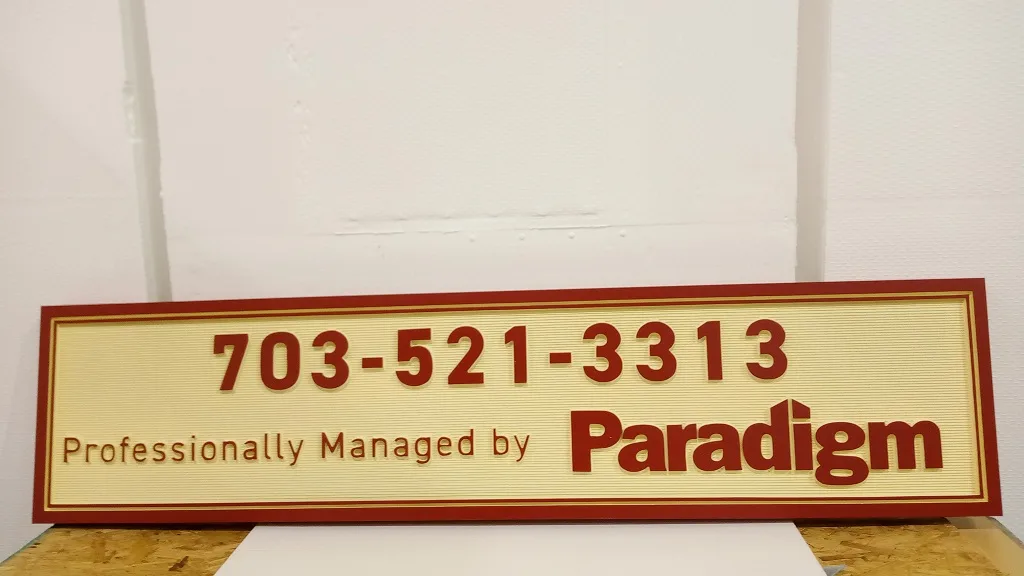
The difference between a collection of signs and a sign system is documentation and enforcement: written standards for every sign format, defined specifications for each element, and a process for ensuring that every sign produced conforms to those standards.
A complete real estate sign system specification should include: logo artwork in vector format with specific size and position rules for each sign format; exact Pantone or CMYK color values for all brand colors; approved typefaces and type hierarchy rules for agent name, brokerage name, and contact information; panel dimensions and stake/frame hardware specifications for each sign format; and approved vendors who can produce signs to these specifications with consistent quality.
Establishing this specification doesn’t require a large budget – it requires a design session with a professional who understands sign production, a written specification document, and an approved vendor relationship that ensures every order produces signs that match the spec. Brokerages that maintain this discipline across their sign programs consistently build stronger market recognition than those that allow agents to produce signs individually through whatever local print vendor is most convenient, because individual ordering without system standards inevitably produces visible inconsistency that fragments brand recognition.
Conclusion
The honest takeaway on real estate signs is that their value as a marketing tool is almost entirely a function of consistency. A single well-designed yard sign at one listing creates limited brand impact. The same sign design, consistently applied across every listing in a brokerage’s market area, creates cumulative brand presence that compounds over time – every sign reinforcing every other sign’s recognition effect. The investment in a proper, documented sign system with enforced design standards and quality materials consistently produces stronger market recognition per dollar than any alternative approach that allows sign design to vary by agent, budget, or convenience.
Frequently Asked Questions
What types of signs do real estate agents use?
Real estate agents primarily use yard signs (coroplast panel on wire stake or post-and-frame system) for property listings, rider panels for supplementary information, directional signs for open house events, and window signs for commercial listings. Brokerages also use standard commercial exterior signage for office identification – channel letters, monument signs, and window graphics – and some agents use vehicle graphics as a mobile brand presence.
What size are standard real estate yard signs?
Standard residential yard signs are typically 18×24 inches, which is the industry-standard size for wire stake installations and most post-and-frame systems. Larger formats (24×36 inches or custom sizes) are used for commercial listings, high-visibility locations, or premium listings where larger visual presence is appropriate. Rider panels are typically 6×24 inches (matching the 24-inch width of a standard sign) or 6×18 inches.
How long do real estate yard signs last outdoors?
Standard coroplast (corrugated plastic) yard signs with UV-resistant digital print can maintain acceptable appearance for 90 to 180 days in typical outdoor conditions, adequate for most residential listing periods. Aluminum panel signs with higher-quality printed or vinyl graphics last significantly longer – two years or more – making them appropriate for commercial listings or long-term placement applications. Wire stake hardware in galvanized or coated versions outlasts standard bare metal stakes significantly.
Can real estate signs be customized per agent or listing?
Yes – most professional real estate sign systems are designed to accommodate agent-level customization (agent name, phone, photo) within the brokerage’s consistent brand framework. Standardized sign panels with an agent information area, or rider systems that attach to standard brokerage signs, allow individual agent customization without fragmenting the brokerage brand consistency that makes the overall sign system effective as a market recognition tool.
Read more

Acrylic Letters and Logo Signs: A Practical Guide for Business Owners

Foam Routed Signs and CNC-Cut Signage: When and Why Businesses Choose This Format

Hanging Signs for Trade Show Booths: Weight, Rigging, and Sightlines That Work
Oversized Foam Letters for Events, Retail Displays, and Brand Activations
PVC, Acrylic, or Small Metal Letters: Choosing the Right Dimensional Letters for Your Storefront

Foam Sculptures and Oversized Product Replicas: How Brands Build Unmissable Experiential Marketing

How Backlit and Halo-Lit Signs Turn a Storefront Into a Landmark After Dark
Digital Signage for Business: What It Is and How to Use It Effectively
Sandblasted and V-Carved Signs: The Craft Behind Timeless, Hand-Finished Business Signage

Floating Pool Letters: A Fresh Way to Brand Pool Parties, Resorts, and Brand Activations

Premium 3D Dimensional Signage with Professional Lighting Solutions

Safety and Warning Signs for the Workplace: A Complete Guide for Business Owners
Recommended Articles
Acrylic Letters and Logo Signs: A Practical Guide for Business Owners
Foam Routed Signs and CNC-Cut Signage: When and Why Businesses Choose This Format
Hanging Signs for Trade Show Booths: Weight, Rigging, and Sightlines That Work
Oversized Foam Letters for Events, Retail Displays, and Brand Activations
PVC, Acrylic, or Small Metal Letters: Choosing the Right Dimensional Letters for Your Storefront
Foam Sculptures and Oversized Product Replicas: How Brands Build Unmissable Experiential Marketing