How Backlit and Halo-Lit Signs Turn a Storefront Into a Landmark After Dark
Planning an Illuminated Sign Project From Concept to Installation
The process typically begins with understanding the location and viewing conditions: how far away the sign will be read from, what ambient lighting already exists nearby, and what hours the illumination needs to run. These answers shape decisions about lighting intensity, letter size and whether front-lit, halo-lit or a combination is the right fit.
Next comes design and engineering, where the logo or lettering is modeled in three dimensions, lighting is integrated into the structure, and electrical requirements such as power access and driver placement are planned. For complex or highly detailed logos, this stage confirms that fine details will still read clearly once light is introduced, since illumination can either sharpen or blur intricate shapes depending on how it is engineered.
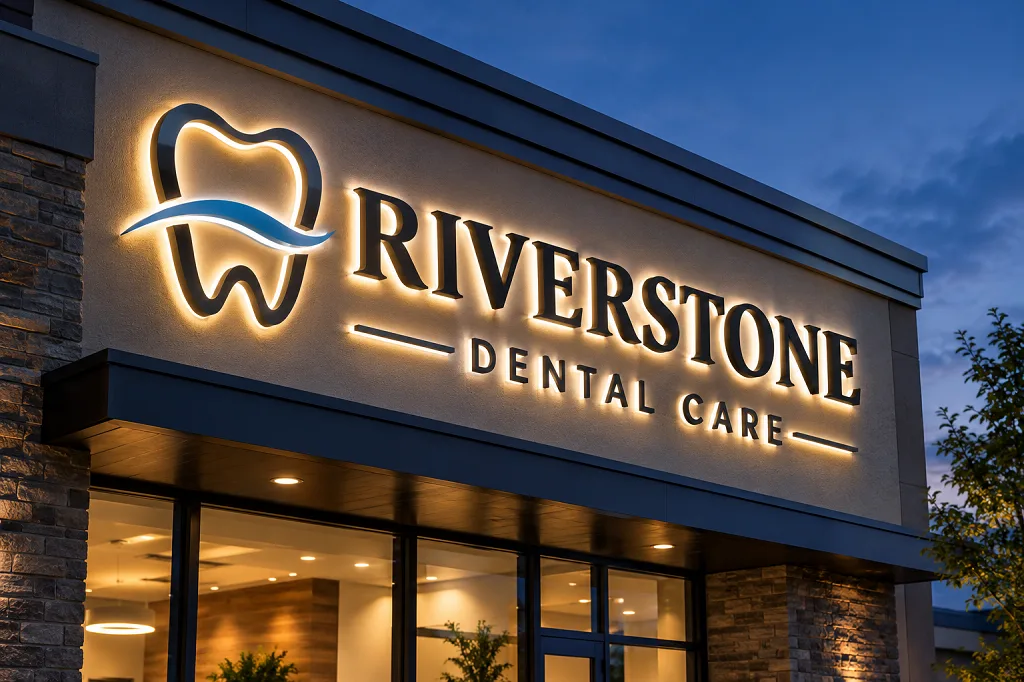
Fabrication follows, with the sign built, wired and tested before it ever reaches the site. Testing the illumination in the shop, rather than discovering problems after installation, is one of the practical advantages of working with a manufacturer that builds and finishes signs in-house.
Installation is planned around the building’s power access and architecture, and a good sign program considers long-term maintenance from the start: accessible wiring, replaceable components and a design that allows for servicing without removing the entire sign. A sign that is easy to maintain keeps illuminating a property reliably for years rather than becoming a recurring repair project.
Frequently Asked Questions
What is the difference between front-lit and back-lit (halo-lit) letters?
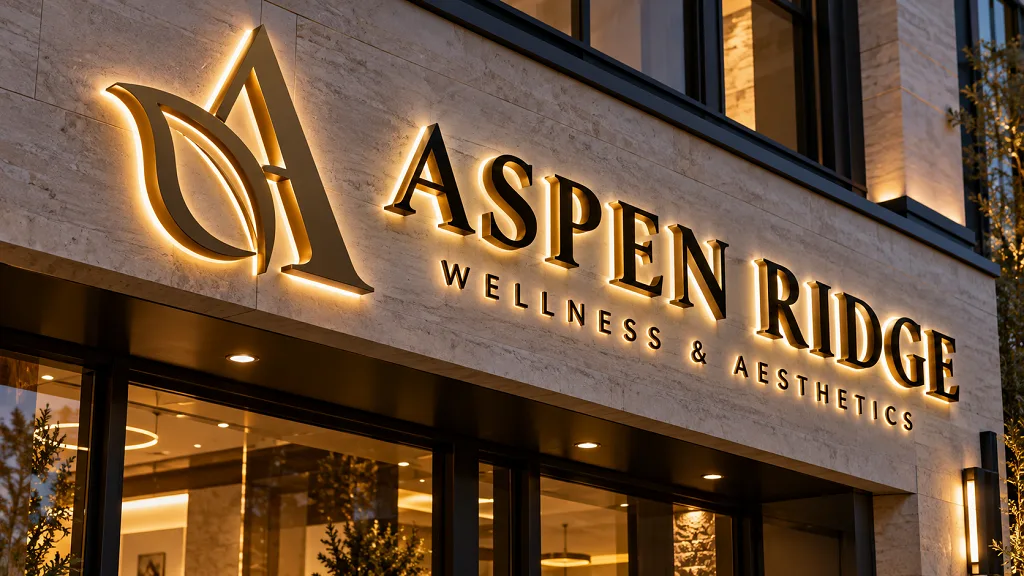
Front-lit letters glow through the face of the letter itself, producing a bright, high-visibility read that works well for storefronts on busy roads. Halo-lit, or back-lit, letters are illuminated from behind, so light spills around the edges of the letter onto the wall while the letter face stays dark. Halo lighting produces a softer, more upscale glow that suits lobbies, corporate signage and buildings where a subtle effect is preferred over maximum brightness. Some projects combine both effects on the same sign for a layered look.
Do illuminated signs cost much more to run?
LED illumination uses very little power compared with older lighting technology such as neon or incandescent bulbs, so most illuminated signs add only a modest amount to a monthly electric bill relative to the visibility and brand presence they provide. LEDs also last far longer than older light sources, which reduces the cost and disruption of maintenance over the life of the sign.
Can an illuminated sign be dimmed or scheduled?
Yes. Many illuminated sign systems can be connected to timers, photocells or dimmable drivers, so the sign can turn on at dusk, turn off late at night, or run at reduced brightness during certain hours. This is useful both for energy savings and for meeting local lighting ordinances that limit sign brightness or operating hours in some areas.
Will an illuminated sign survive Florida weather?
When it is built with sealed wiring, weather-rated drivers and a properly coated housing, an illuminated sign is designed to handle rain, humidity, salt air and UV exposure without performance loss. This matters especially in coastal and high-humidity regions such as Florida, where moisture intrusion is one of the most common causes of premature sign failure. Choosing a manufacturer that specifies weatherproof components for outdoor use is the most reliable way to avoid problems later.
Conclusion
The honest takeaway on illuminated letters and logos is that lighting is not a finishing touch, it is what allows a sign to keep working through the hours when many businesses do the most business. Choosing between front-lit, halo-lit and combination lighting should follow the character of the brand and the context of the location, and durability depends on sealed, weather-rated components as much as on the visible design. Planned and built properly, an illuminated sign keeps a storefront, a lobby or a monument entrance visible, legible and memorable long after the sun goes down. 3D Sign Factory in Jacksonville, FL designs, fabricates and installs custom illuminated letters and logos for businesses across the country. Call (904) 869-2668 for a free quote.
Read more
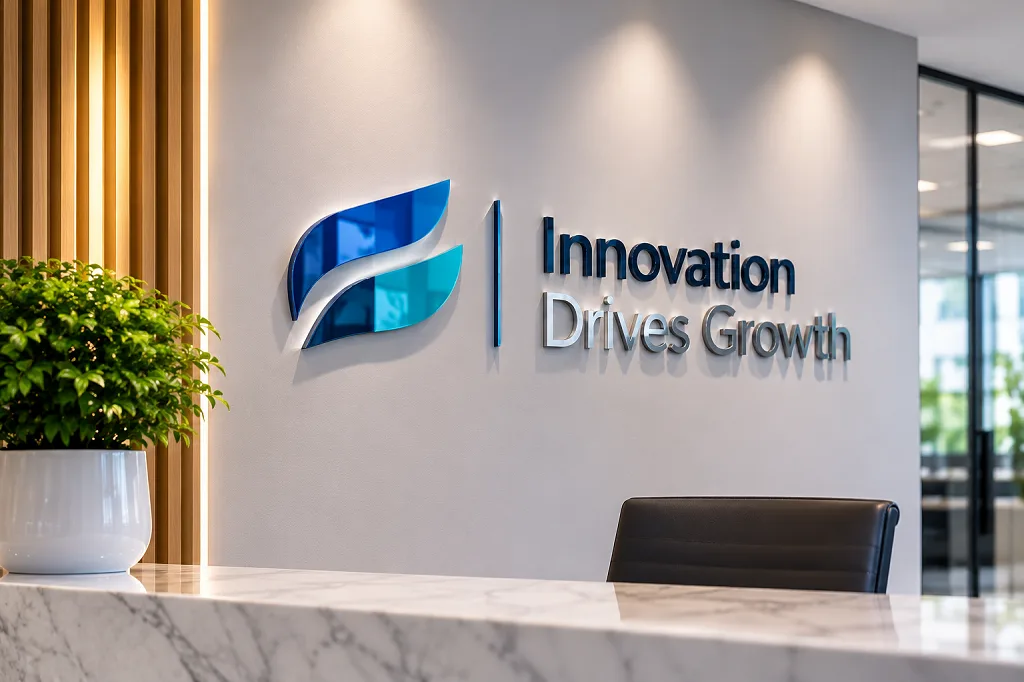
Acrylic Letters and Logo Signs: A Practical Guide for Business Owners
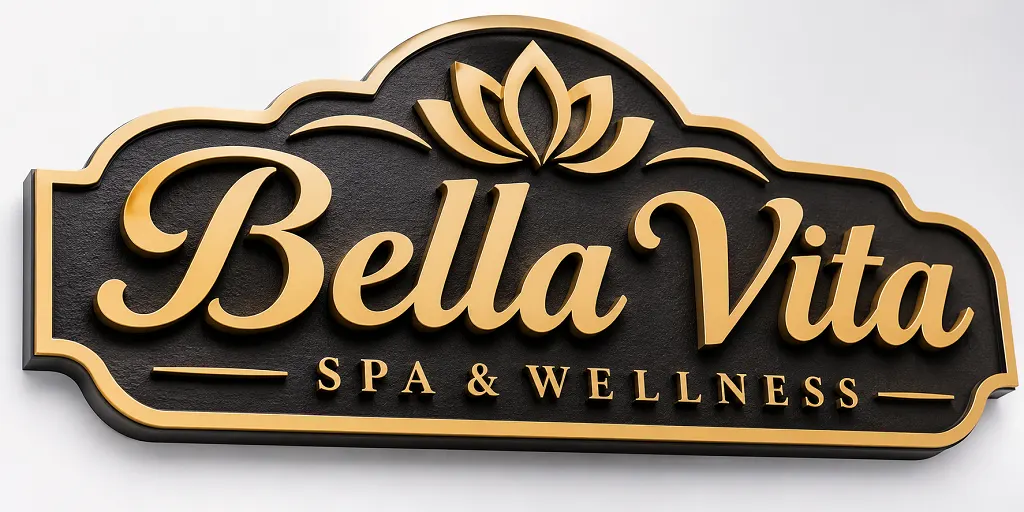
Foam Routed Signs and CNC-Cut Signage: When and Why Businesses Choose This Format
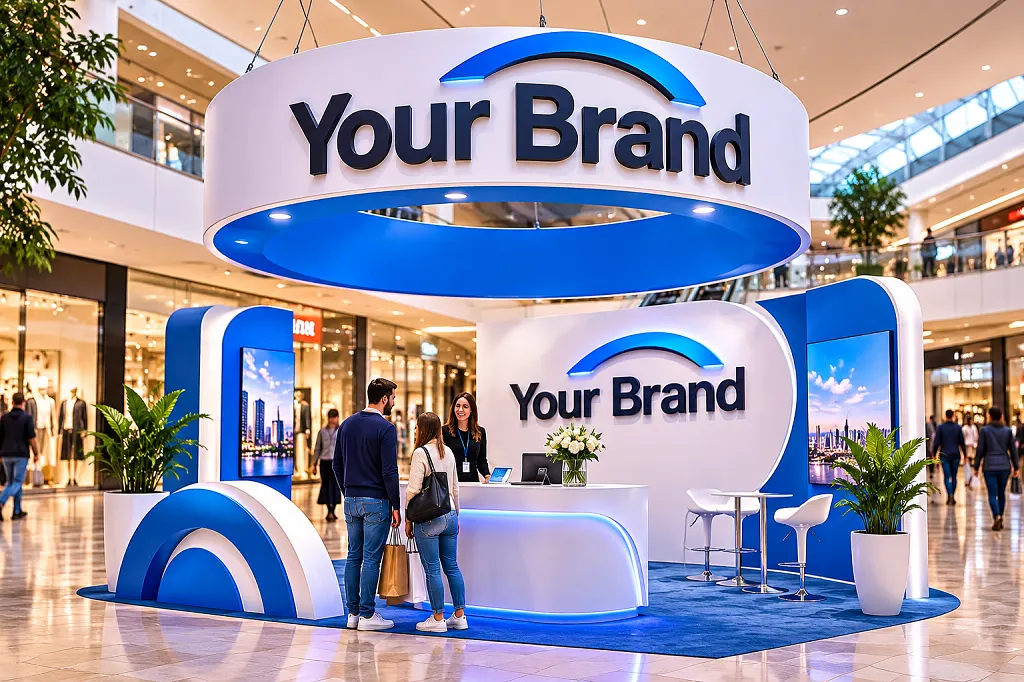
Hanging Signs for Trade Show Booths: Weight, Rigging, and Sightlines That Work
Oversized Foam Letters for Events, Retail Displays, and Brand Activations
PVC, Acrylic, or Small Metal Letters: Choosing the Right Dimensional Letters for Your Storefront
Foam Sculptures and Oversized Product Replicas: How Brands Build Unmissable Experiential Marketing
Digital Signage for Business: What It Is and How to Use It Effectively
Sandblasted and V-Carved Signs: The Craft Behind Timeless, Hand-Finished Business Signage
Floating Pool Letters: A Fresh Way to Brand Pool Parties, Resorts, and Brand Activations
Premium 3D Dimensional Signage with Professional Lighting Solutions
Safety and Warning Signs for the Workplace: A Complete Guide for Business Owners
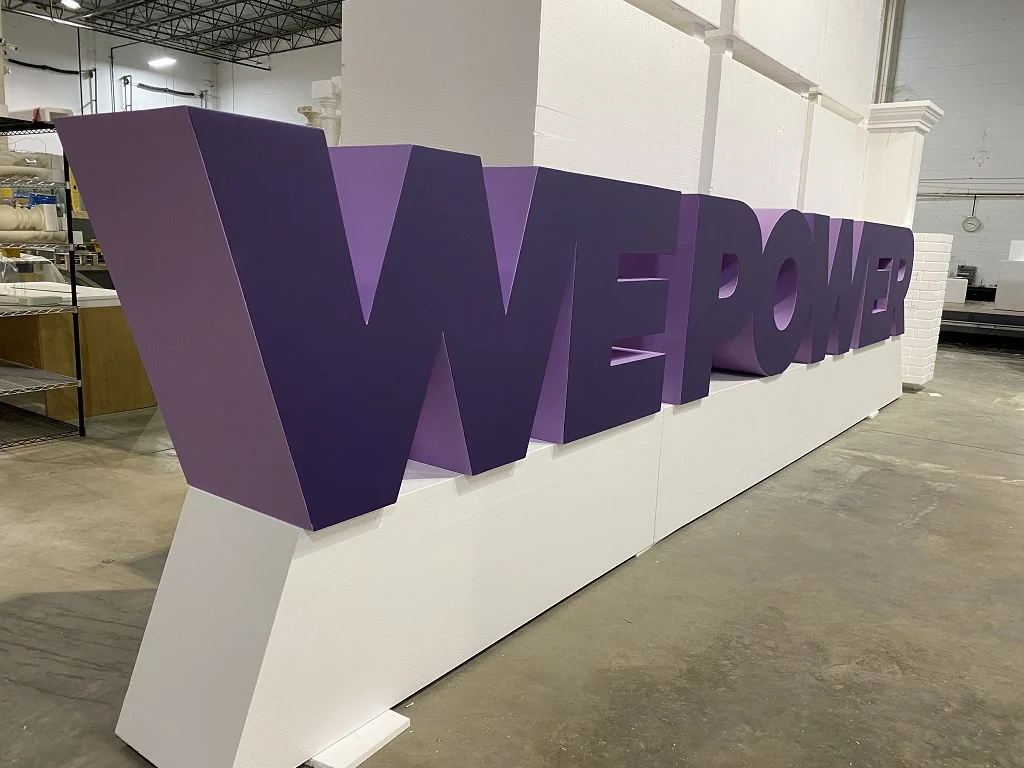
Massive 3D Dimensional Signage That Commands Attention
Recommended Articles
Acrylic Letters and Logo Signs: A Practical Guide for Business Owners
Foam Routed Signs and CNC-Cut Signage: When and Why Businesses Choose This Format
Hanging Signs for Trade Show Booths: Weight, Rigging, and Sightlines That Work
Oversized Foam Letters for Events, Retail Displays, and Brand Activations
PVC, Acrylic, or Small Metal Letters: Choosing the Right Dimensional Letters for Your Storefront
Foam Sculptures and Oversized Product Replicas: How Brands Build Unmissable Experiential Marketing