


















Custom Business Signs
How 3D signs actually perform in real-world environments
Cities today are visually overloaded. Signs, banners, digital screens — all of it is competing for attention at once. In that kind of environment, 3D signs don’t just “exist.” They interact with space, light, and perspective in a way flat signage simply can’t.
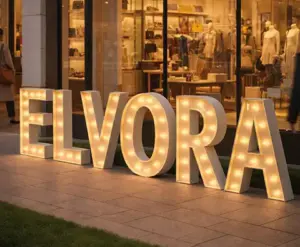
Modern 3D commercial signs stopped being just a storefront label a while ago. They’re part of the architecture now. Part of the brand presence. Part of the whole customer experience. People don’t read first — they see. Shape, depth, shadow catch the eye, and only after that does the message actually land.
Take one café project as an example. A standard flat sign got replaced with 3D foam signs featuring soft backlighting. Foot traffic didn’t suddenly explode overnight. But something more subtle happened — more people just naturally walked in. The sign stopped blending into the noise and started doing its job.
What falls under 3D signage today
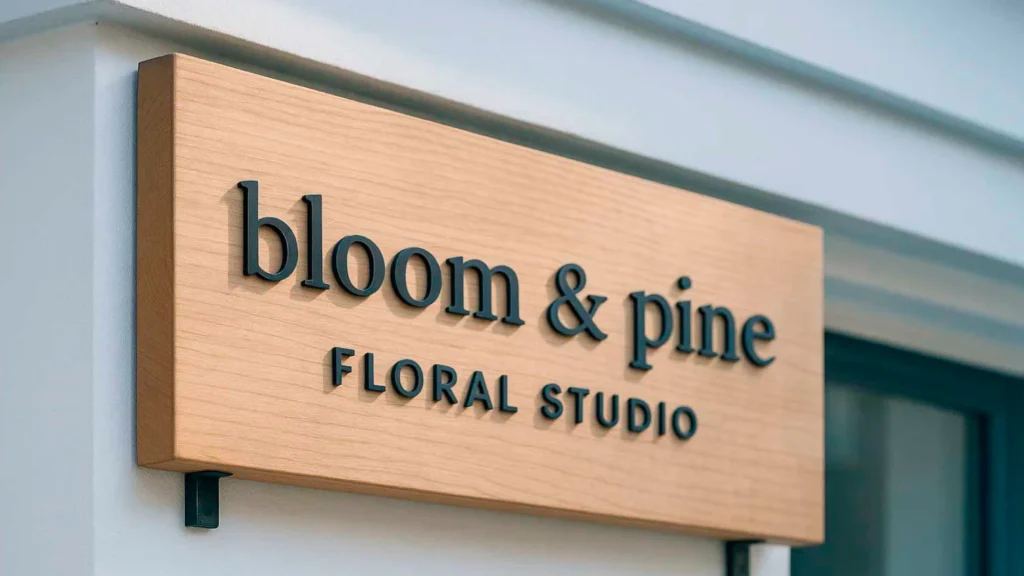
When people talk about 3D signage for business, dimensional letters are usually what comes to mind first. But the category runs a lot broader than that in practice. It covers logos, façade elements, entrance features, and large-scale installations like monument signage.
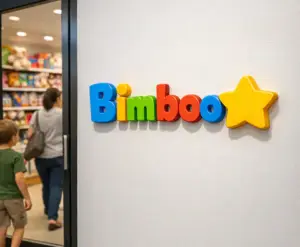
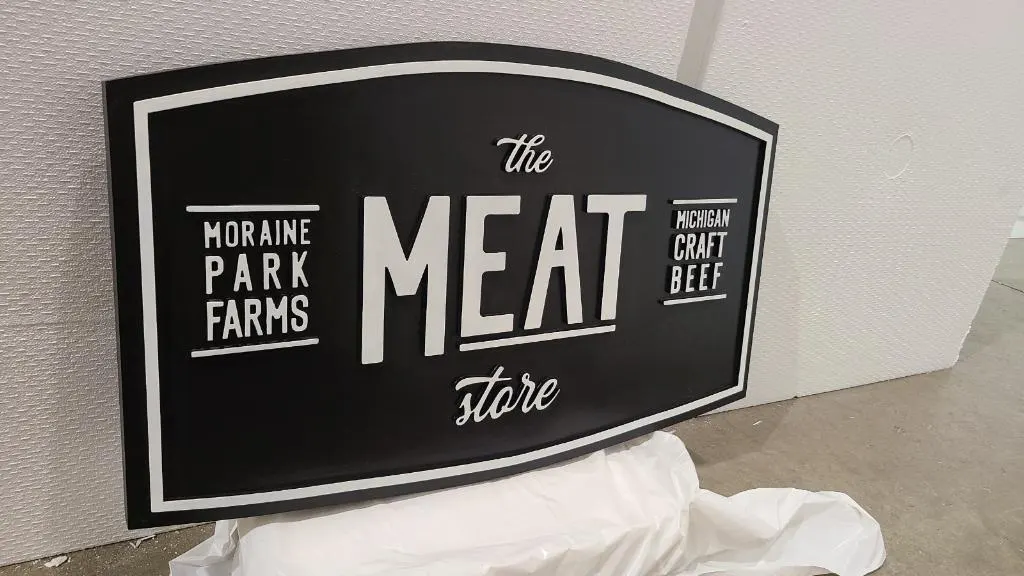
Technology changed the game here too. What used to be expensive and slow is now far more accessible, thanks to custom architectural foam fabrication and custom foam 3D signs that allow highly precise, complex geometries without the limits of traditional manufacturing.
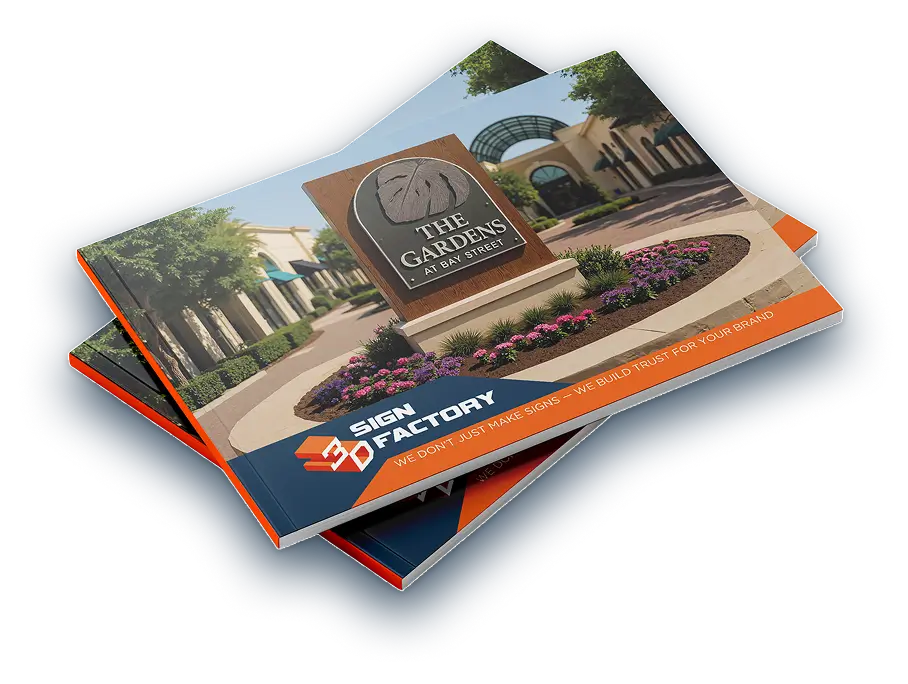
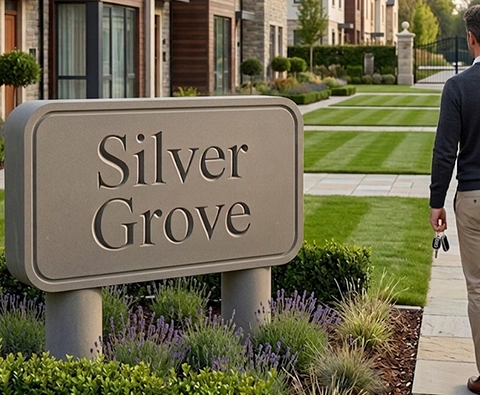
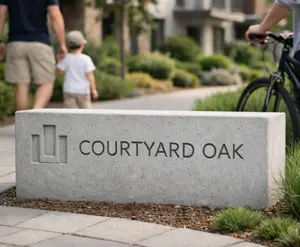
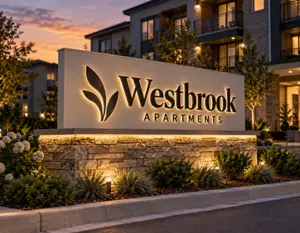
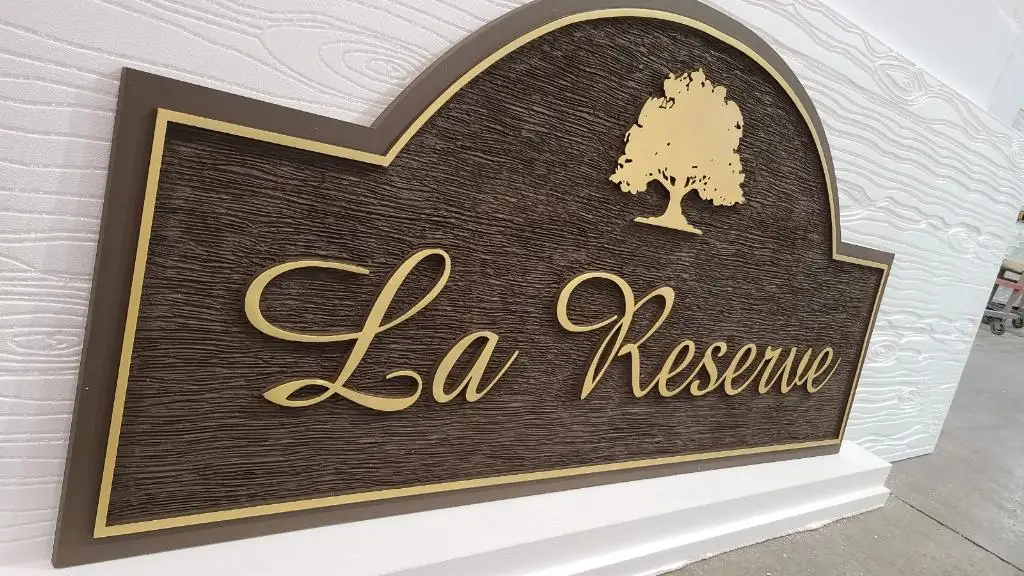
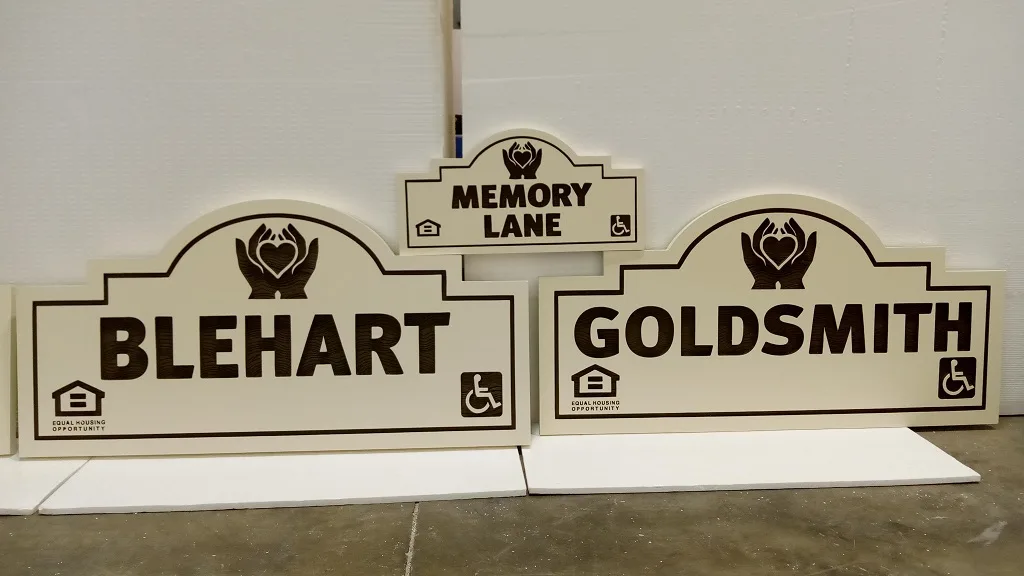
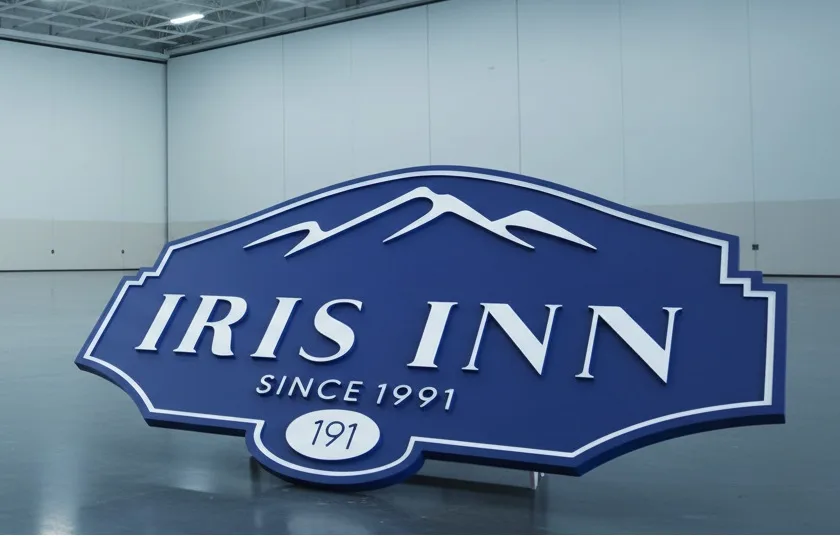
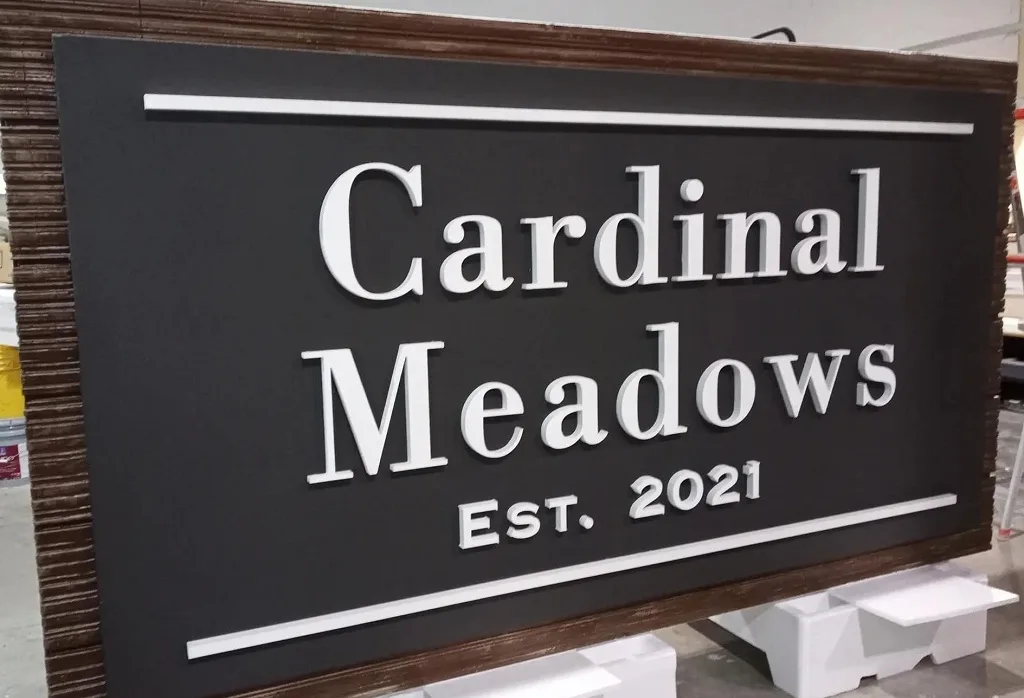
Take a residential community project as an example. Business monument signage went up with a unique geometry and a deep texture finish. Instead of functioning as just an address marker, the entrance sign turned into a visual anchor — something people actually remember and point to as a reference.
Why dimensional solutions are replacing flat signage
Attention and perception
Here’s the simple truth: the human eye responds better to depth. 3D company logo signs create shadows, contrast, and dimensionality, and that makes them easier to read at a glance, especially in busy urban environments.
Once a sign becomes part of the space instead of just sitting on top of it, something shifts. It stops competing for attention and starts standing out naturally instead.
Flexibility in execution
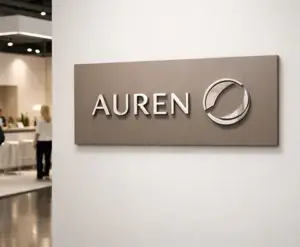
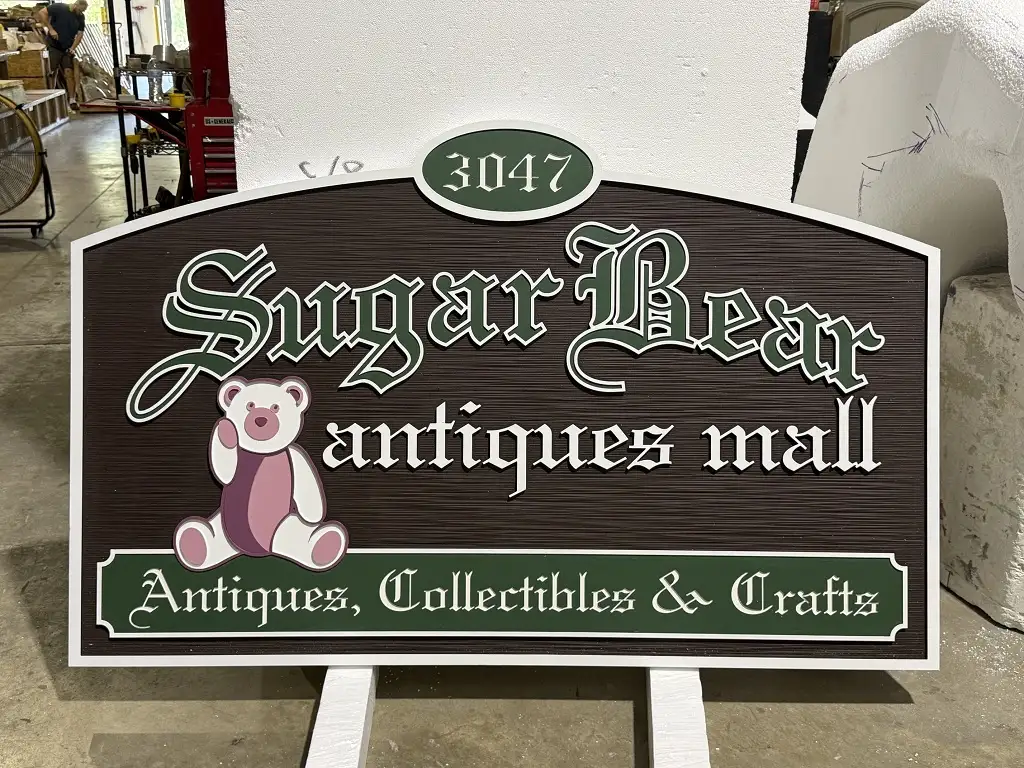
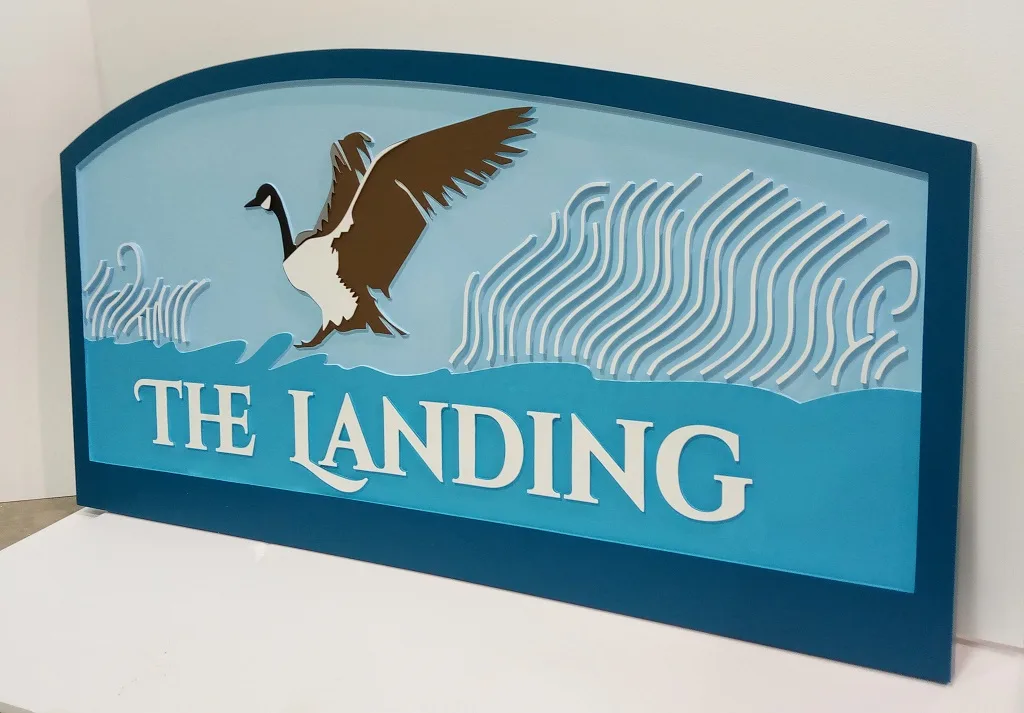
3D custom signs give full freedom in design. Brand guidelines can be matched precisely, scale adjusted to the building, and depth, lighting, and proportions all played with.
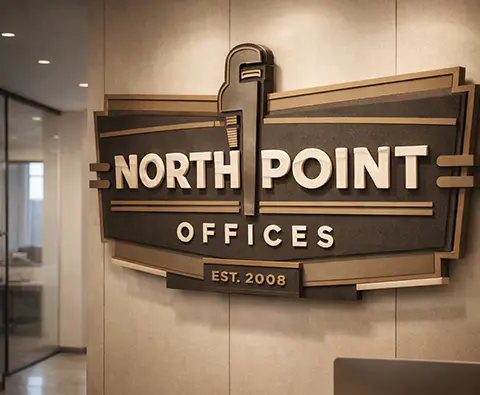
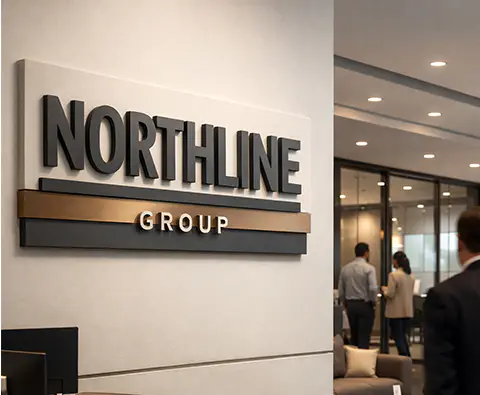
One office project had a logo with a genuinely complex shape. Under a traditional fabrication method, parts of it probably would’ve needed simplifying. But with 3D printing, every detail stayed intact. That level of accuracy ended up shaping how the brand actually got perceived inside the space.
Scale and visual impact
The range runs wide — from compact signage all the way to 3D letters for signs visible from hundreds of feet away. That matters most in locations where visibility from a distance genuinely counts.
And yes, sometimes size does matter. But only when it’s working alongside design, proportion, and placement, not instead of them.
Materials and how these signs are actually made
Creating custom outdoor 3D illuminated signs for business isn’t just about making something “look dimensional.” It comes down to a mix of materials, fabrication methods, and understanding how the sign will actually hold up in real conditions over time.
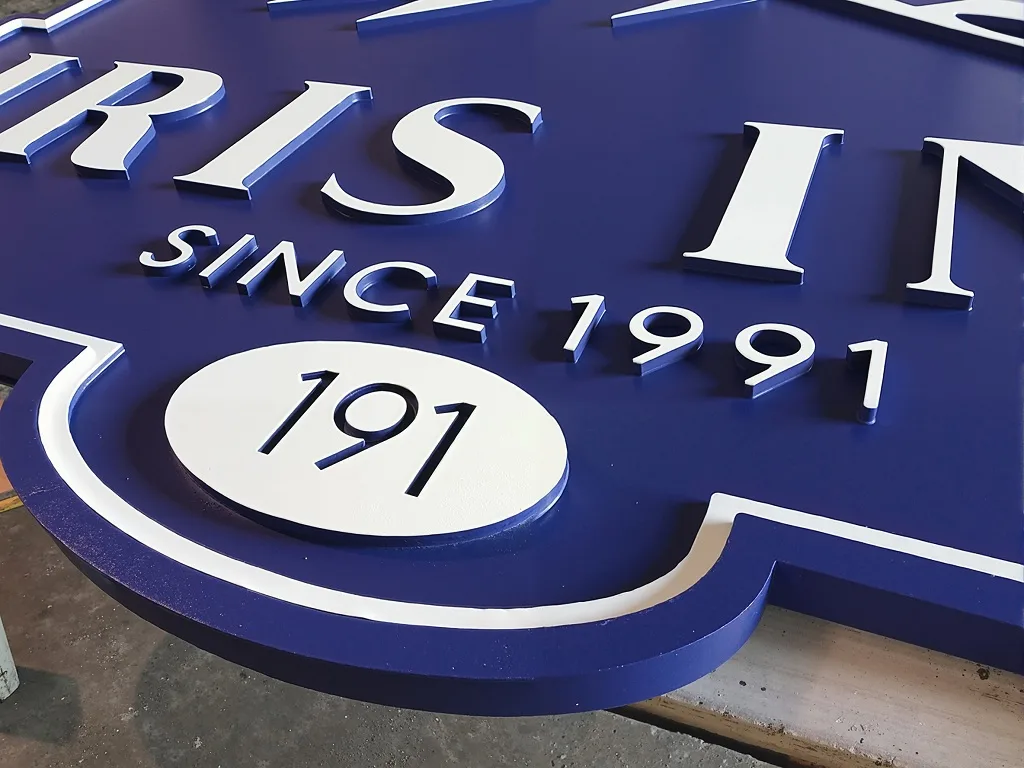
Foam 3D signs are especially strong on precision. But the final outcome always depends on finishing, coating, and installation quality too. That’s usually where the gap between “cheap-looking” and “premium-looking” really shows up.
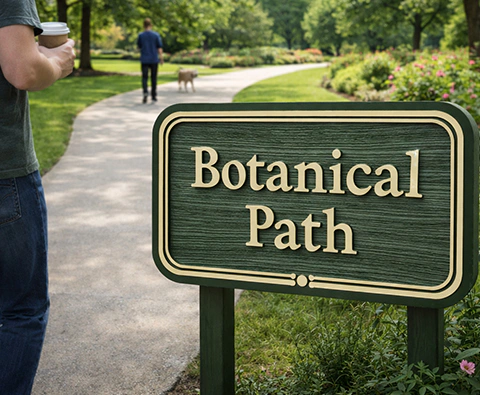
With bespoke monument signs, context matters even more than usual. These structures don’t exist in isolation. They interact with architecture, with landscaping, with how people actually move through the space around them.


The Process of Creating a 3D Sign — From Concept to Installation
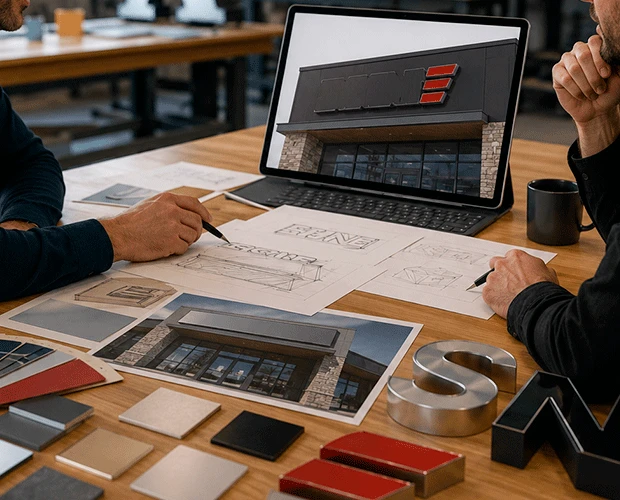
The first step always comes down to understanding the space and the goal. Where will the sign go? How will people approach it? What distances matter most for readability? What kind of impression should it leave behind? At this stage, it’s not really about design yet — it’s about defining a visual strategy for how the brand shows up in the real world.
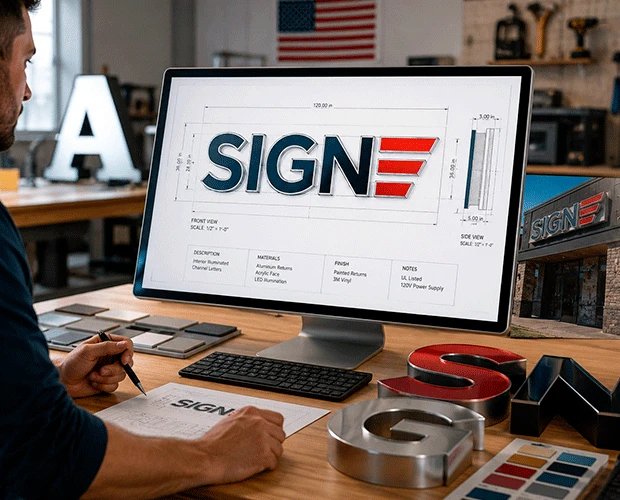
At 3D Sign Factory, next comes concept development and personalised 3D modeling. This is where proportions, depth, materials, lighting, and architectural integration start taking real shape. It’s also the point where the idea moves from something abstract into something physically achievable — something that works in context, not just on a screen.
The final stage is specialized fabrication and installation. Once everything gets approved, the digital model turns into a real-world structure with precision-cut geometry and finished surfaces. Installation gets planned carefully around the building’s architecture, power access (for illuminated signs 3D), and long-term durability requirements.
How this plays out in real projects
Sometimes the difference only becomes obvious once you actually see it in action.
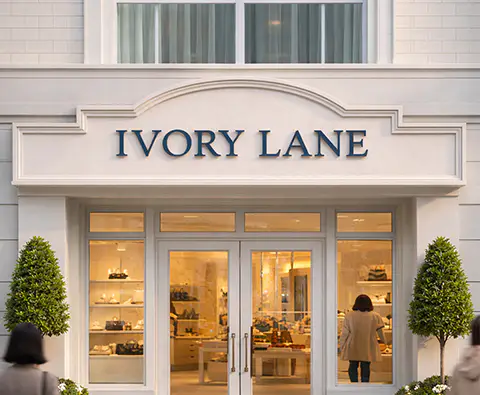
At one retail center, a standard flat sign got upgraded to a 3D version with depth and lighting. It didn’t look dramatically different at first glance. But tenants noticed something interesting anyway — more walk-ins from people who weren’t originally planning to stop.
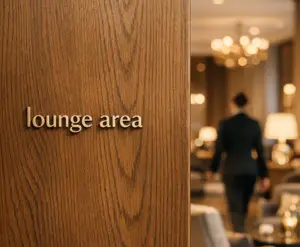
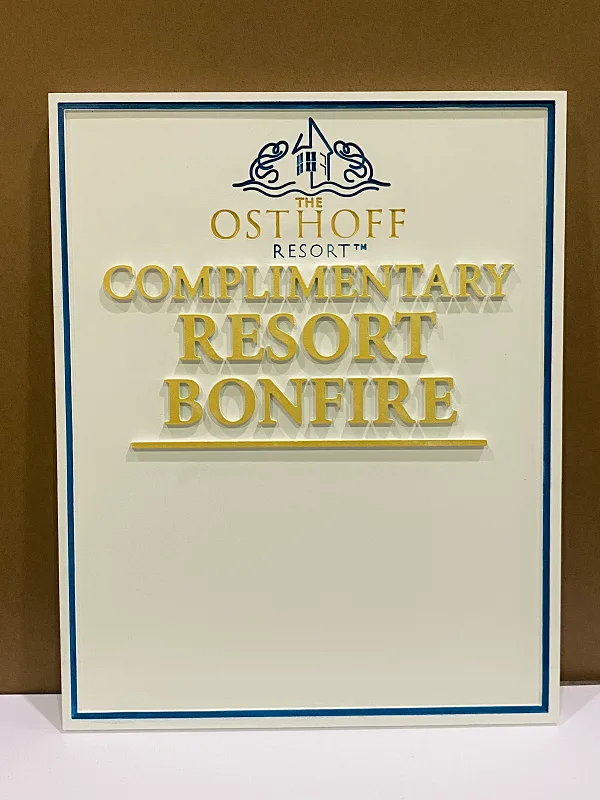
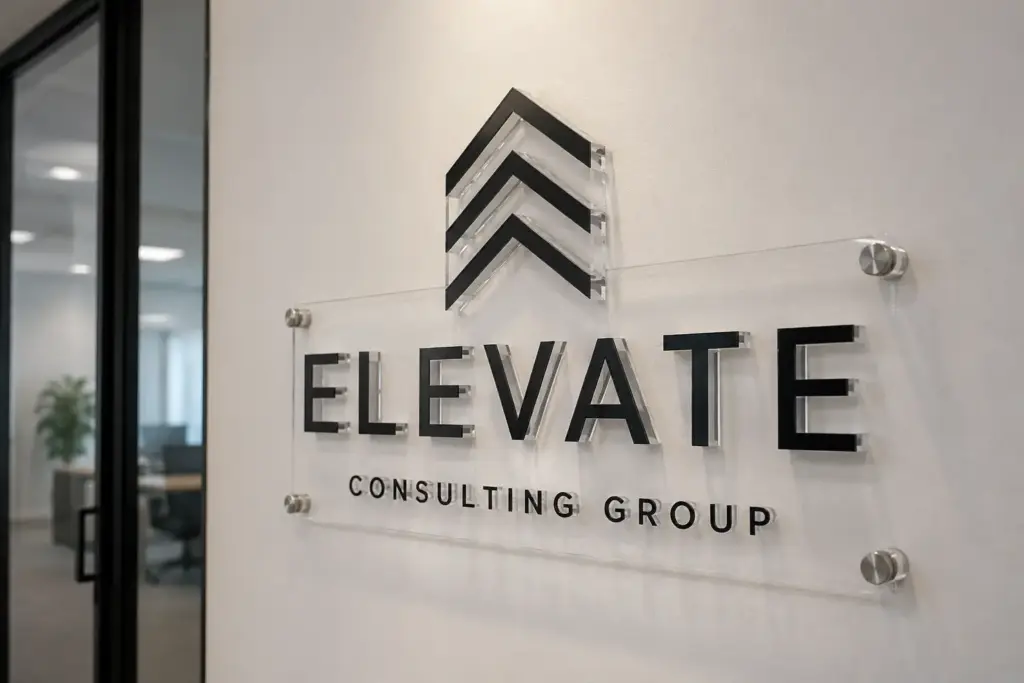
In another case, a corporate building added subtle custom 3D logo signs at the entrance and inside navigation points. Nothing flashy. Nothing over the top. But the overall perception of the space immediately felt more elevated.

Then there was a residential complex that installed dimensional monument signage at the entrance. Before that, the entrance looked generic. Afterward, it became a landmark. People started giving directions using the sign itself instead of the street name.
Where bespoke 3D Signs Are Used and What Problems They Solve
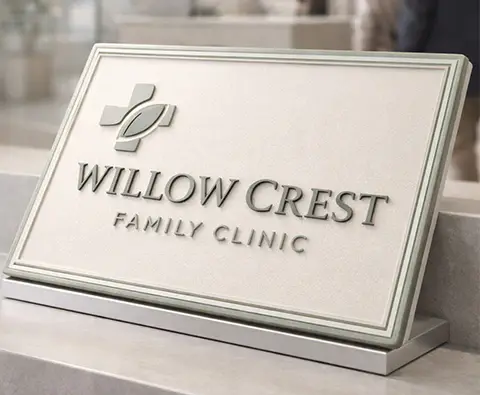
Today, personalised 3D signage shows up across nearly every industry, from small local businesses to large-scale corporate environments, whether someone’s searching for 3D letter signs near me or planning a full office rebrand. Retail stores, cafés, restaurants, office buildings, healthcare facilities, and residential developments all lean on dimensional signage to build visibility and recognition, often working with experienced sign makers to pull it off.
In retail and hospitality, 3D signs work as attention drivers — they pull people in and lift foot traffic. In corporate environments, office building signs reinforce brand credibility and elevate perceived professionalism. In residential and public spaces, they take on a more functional role: better navigation, a clearer visual identity for the area. That holds true whether people are searching for 3D building signs near me or comparing national suppliers.
Here’s the key shift: modern 3D signage, or signs 3D as some people search for it, isn’t just signage anymore. It’s part of the built environment now. It blends into architecture, shapes movement, and influences how people emotionally read a place before they’ve even engaged with it.
When signage starts shaping brand perception
There’s something people often underestimate here: a good sign doesn’t just inform. It frames perception.
3D signage shapes first impressions long before anyone interacts with the actual product or service. It works a lot like how a storefront, a lobby, or an office design sends a message instantly, without a word being said.
This shows up especially clearly with made-to-order 3D signs, where every detail is intentional. Nothing feels random. Everything contributes to the overall identity.
Conclusion
Whether you’re looking to buy signs or explore something fully custom, 3D signs stopped being just a signage option a while back. They’ve become part of how brands express themselves visually now. They shape perception, improve recognition, and create that immediate impression people get before they’ve even stepped inside.
When it all comes together — a clean dimensional logo, impactful monument signage, well-executed dimensional signage — the result isn’t just visibility. It’s identity. And whether that means custom 3D signs near me or a full rebrand across multiple locations, that’s usually what people end up remembering most. Ready to start your project? Contact 3D Sign Factory today to request a free quote.