Sandblasted and V-Carved Signs: The Craft Behind Timeless, Hand-Finished Business Signage
Consider a century-old law firm relocating to a new office in a historic downtown district with strict design guidelines. Backlit plastic panels were not an option, and a flat printed sign would have looked out of place next to the neighboring buildings’ hand-carved wood signage. The firm commissioned a sandblasted HDU sign with V-carved lettering, gold leaf accents and a deep, wood-grain textured background that echoed the carved signs down the block. Installed above the entrance, the sign looked as though it had always belonged there, and it satisfied the historic district’s requirements without a single compromise on craftsmanship. This is the enduring appeal of sandblasted and V-carved signs: in a world of illuminated plastic and vinyl graphics, hand-carved signage still carries a sense of permanence, quality and craft that no other technique fully replicates.
Two Techniques, One Timeless Look
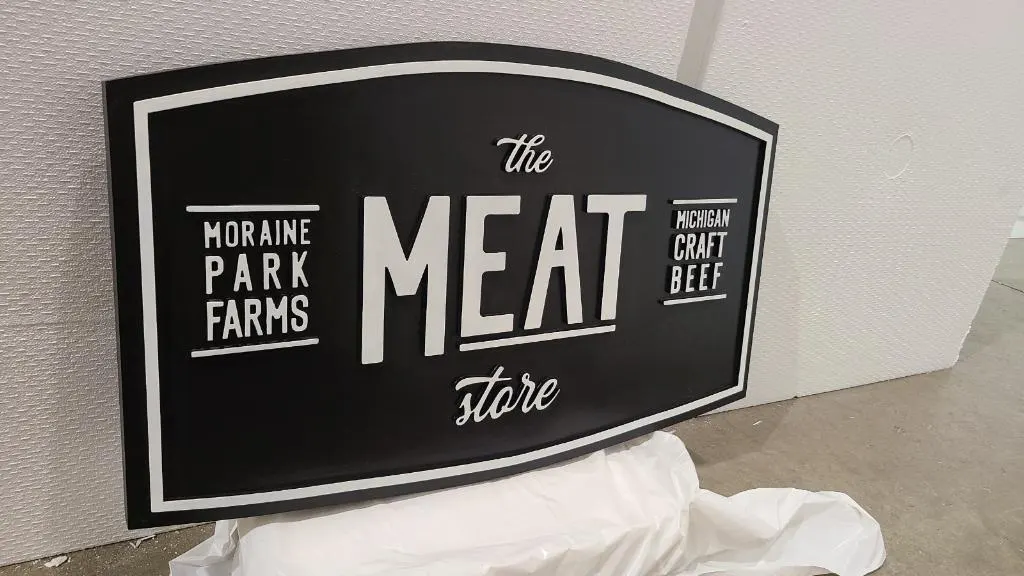
Sandblasting and V-carving are both subtractive processes, meaning material is removed to create the design, but they produce different textures and are often chosen for different effects. Sandblasting uses a stencil to mask the areas that should remain smooth, then blasts abrasive media across the surface so the exposed grain erodes unevenly, creating a raised, natural wood-grain texture that catches light and shadow across the whole sign face, not just around the letters.
V-carving uses a computer-guided router with an angled bit to cut a precise groove around each letter or design element, producing sharp, beveled edges with a consistent depth and angle. This technique is prized for its precision and is especially effective for crisp typography, fine logos and lettering that needs to read clearly from a distance.
The two techniques are frequently combined on a single sign: a sandblasted background gives the whole panel a textured, organic surface, while V-carved lettering sits crisply within that texture, giving the design both atmosphere and legibility. This combination is one of the most recognizable looks in traditional commercial and hospitality signage.
Both techniques depend heavily on the skill of the person operating the equipment and finishing the surface afterward. The carving itself is only the first step; the paint, stain, gilding and sealing that follow are what determine whether the finished sign looks handcrafted and premium, or flat and mass-produced.
Choosing the Right Material: HDU, Wood, and When Each Makes Sense
High-density urethane, or HDU, has become the standard material for professional carved signage because it behaves consistently under both sandblasting and V-carving, does not have a natural grain that can cause uneven results, and resists the rot, cracking and insect damage that affect solid wood over time. HDU also holds paint, primer and gold leaf evenly across its surface, which produces a cleaner, more consistent finish than most natural wood.
Solid cedar and redwood remain popular for projects specifically seeking a natural wood grain and the character that comes with a genuine wood surface, particularly for rustic, coastal or heritage-style businesses. Wood signs require more diligent maintenance, including periodic resealing and monitoring for weather damage, but for some brands the authenticity of real wood is worth that extra care.
Substrate thickness affects both the depth of the carving and the overall presence of the sign. A thicker panel allows for deeper relief carving and more dramatic shadow lines, which is often chosen for larger signs meant to be read from a distance, while thinner panels suit smaller interior signage or applications where weight is a concern.
Choosing between HDU and wood, and choosing panel thickness, should be guided by the sign’s location, its size, the level of maintenance the owner is prepared to commit to, and the specific aesthetic the project is trying to achieve. A knowledgeable sign manufacturer can walk through these tradeoffs based on the exact application.
Finishing Touches: Paint, Gold Leaf, and What Separates Premium From Ordinary
The carving establishes the shape and texture of a sign, but finishing is what determines whether it looks premium or ordinary. Exterior-grade paint, applied in multiple coats and colors to highlight the carved detail, is the most common finish and offers the widest range of color and design options.
Gold leaf and silver leaf are traditional, hand-applied metallic finishes that catch light in a way no paint can replicate, and they are typically reserved for lettering, borders or accents on formal, high-end signage such as law offices, financial institutions, historic districts and hospitality entrances. Leafing is a skilled, labor-intensive process, and its cost reflects the craftsmanship involved, but the visual result is difficult to achieve any other way.
Shading and highlighting, in which subtle variations in paint tone are used to emphasize the depth of the carved relief, add a further layer of dimensionality that makes a sign look genuinely sculpted rather than simply cut and painted flat. This kind of detail is most visible up close, which makes it especially valuable for signs viewed by pedestrians and visitors approaching a building.
Sealing the finished surface with an appropriate exterior clear coat protects the paint and leaf from UV exposure, moisture and general wear, extending the life of the finish and reducing how often touch-up work is needed.
Where Carved Signage Fits Today, and How to Order One
Sandblasted and V-carved signs remain a strong choice for law firms, financial and medical offices, hotels and inns, wineries and breweries, historic districts, community entrances and any business seeking a traditional, crafted appearance rather than a modern, illuminated look. They are especially well suited to locations with design guidelines or historic district requirements that limit or prohibit internally lit plastic signage.
The ordering process typically begins with artwork and a design concept, which is then modeled to confirm proportions, letter sizing and layout before any carving begins. Material and finish decisions, HDU or wood, paint or leaf, sandblasted texture or clean V-carved edges, are made alongside the design so the final piece matches the intended style from the start.
Because these signs are fabricated by hand, at least in part, lead times are generally longer than for printed or simple flat signage, and it is worth planning production time into any project schedule, particularly for signs that include gold leaf or intricate carved detail.
For businesses weighing the choice between a modern illuminated sign and a traditional carved one, the decision often comes down to the character the brand wants to project: technology-forward and bright, or established, crafted and timeless. Many properties use both, with carved signage at a historic entrance and illuminated dimensional lettering elsewhere on the same property.
Frequently Asked Questions
What is the difference between sandblasted and V-carved signs?
Sandblasting works by directing abrasive media at a surface that has been masked with a stencil, so the softer grain erodes faster than the harder grain, leaving a raised, textured wood-grain surface around the protected lettering or artwork. V-carving is a routing technique in which a V-shaped bit cuts a clean, angled groove around each letter, producing crisp, beveled edges and a more graphic, precise look. Many signs use both techniques together, combining the organic texture of sandblasting with the precision of V-carved lettering.
What material is used for sandblasted and V-carved signs?
High-density urethane, commonly called HDU, is the most widely used material for sandblasted and V-carved signs because it carves cleanly, does not rot or attract insects, and holds paint and gold leaf evenly across the surface. Solid cedar and redwood are also used when a natural wood grain and a traditional look are specifically desired, though wood signs require more maintenance than HDU over time.
Can these signs include gold leaf or metallic paint?
Yes. Gold leaf, silver leaf and specialized metallic paints are traditional finishing techniques for carved lettering, and they are commonly used on professional offices, historic districts, hospitality signage and any project where a formal, high-end appearance is the goal. Leafing is typically applied by hand after carving and requires skilled, experienced finishing work to look correct.
Are carved signs durable outdoors?
Yes, when built from HDU or properly sealed and primed wood, and finished with exterior-grade paint, gold leaf or a protective clear coat, carved signs are designed to withstand sun, rain, humidity and temperature swings for many years. As with any outdoor sign, periodic inspection and touch-up of the finish extends the life of the piece significantly.
Conclusion
The honest takeaway on sandblasted and V-carved signs is that they deliver something illuminated plastic and printed vinyl cannot: a hand-crafted texture and depth that signals permanence and quality at a glance. The right result depends on choosing the correct combination of technique, material and finish for the specific application, and on working with a shop that treats the carving and the finishing with equal care. Done well, a carved sign does not just mark a business, it becomes part of the architecture of the street it sits on. 3D Sign Factory in Jacksonville, FL fabricates custom sandblasted, V-carved and HDU signage for businesses nationwide. Call (904) 869-2668 for a free quote.
Read more
Foam Routed Signs and CNC-Cut Signage: When and Why Businesses Choose This Format

Hanging Signs for Trade Show Booths: Weight, Rigging, and Sightlines That Work
Oversized Foam Letters for Events, Retail Displays, and Brand Activations
PVC, Acrylic, or Small Metal Letters: Choosing the Right Dimensional Letters for Your Storefront
Foam Sculptures and Oversized Product Replicas: How Brands Build Unmissable Experiential Marketing
How Backlit and Halo-Lit Signs Turn a Storefront Into a Landmark After Dark
Digital Signage for Business: What It Is and How to Use It Effectively
Floating Pool Letters: A Fresh Way to Brand Pool Parties, Resorts, and Brand Activations
Premium 3D Dimensional Signage with Professional Lighting Solutions
Safety and Warning Signs for the Workplace: A Complete Guide for Business Owners
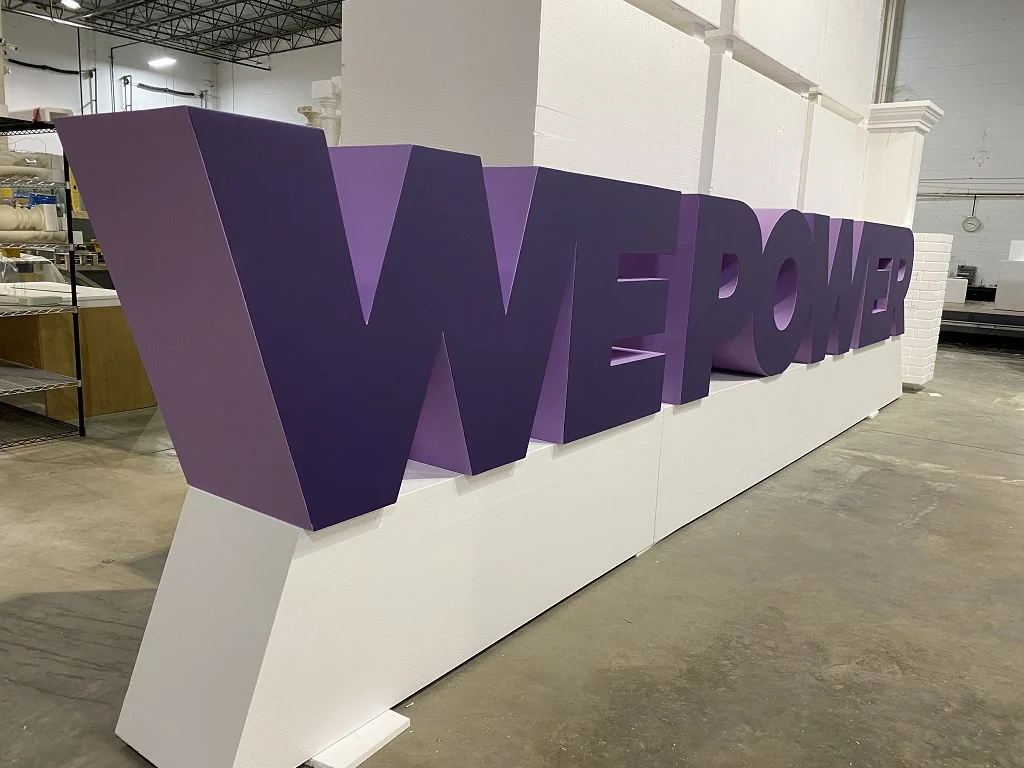
Massive 3D Dimensional Signage That Commands Attention
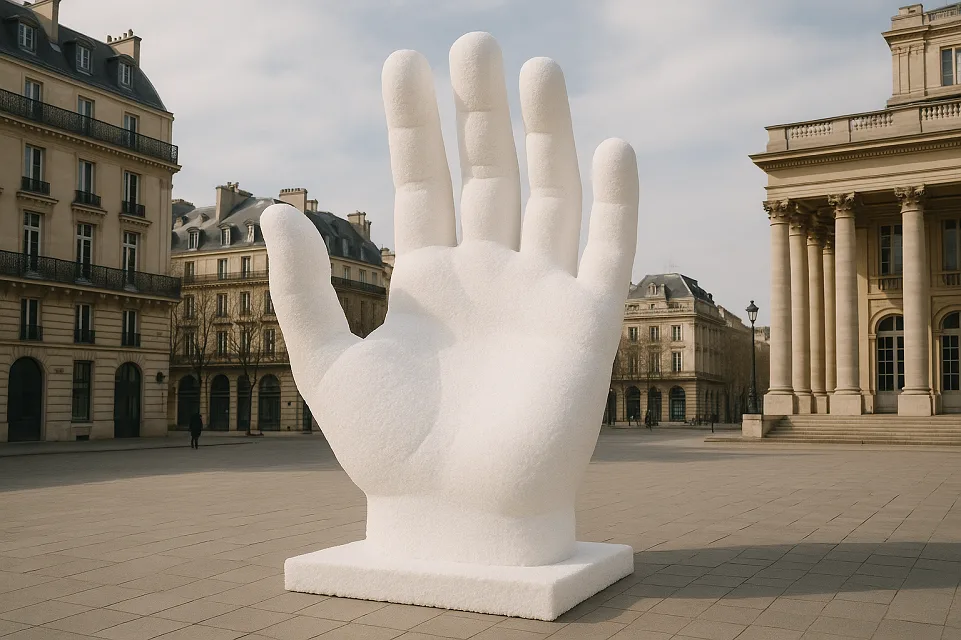
Custom Large-Scale 3D Creations for Events, Architecture, and Branding
Recommended Articles
Foam Routed Signs and CNC-Cut Signage: When and Why Businesses Choose This Format
Hanging Signs for Trade Show Booths: Weight, Rigging, and Sightlines That Work
Oversized Foam Letters for Events, Retail Displays, and Brand Activations
PVC, Acrylic, or Small Metal Letters: Choosing the Right Dimensional Letters for Your Storefront
Foam Sculptures and Oversized Product Replicas: How Brands Build Unmissable Experiential Marketing
How Backlit and Halo-Lit Signs Turn a Storefront Into a Landmark After Dark