Neon and LED Neon Signs: How to Choose the Right Option for Your Business
A cocktail bar opening in a renovated historic building wanted signage that matched the space’s aesthetic – original brick walls, exposed ceiling joists, vintage fixtures – without looking like a period costume. The owner had seen LED neon signs in photographs and was initially skeptical: she associated neon with roadside motels and dive bars, not a premium cocktail experience. After visiting an installation of quality custom neon letters in a neighboring city’s hospitality district, she understood what the format was doing for those spaces. Neon – real glass neon or its LED equivalent – creates a quality of light that no other sign type replicates: warm, glowing, slightly alive in a way that backlit panels and channel letters aren’t. Her bar now has a custom neon sign in the brand’s signature script above the back bar, and it’s in more customer photographs than any other element of the interior. Neon signs are back as a serious commercial and brand communication tool, and this guide explains the real options.

The Difference Between Traditional Glass Neon and LED Neon
The category of “neon signs” currently covers two distinct technologies that produce similar visual results through entirely different means, and understanding the difference is important for making the right specification decision.
Traditional glass neon signs are made by bending glass tubes into letterforms or shapes, filling them with noble gases (neon for red-orange glow, argon with mercury for blue-white, and other combinations for different colors), and electrifying them with high-voltage transformers. The glow produced by genuine gas-discharge neon has a specific visual quality – a slightly irregular, organic luminosity – that comes from the nature of the light-producing process. Glass neon has been a commercial sign technology for over a century and remains a genuinely premium material with specific visual characteristics that dedicated enthusiasts consider irreplaceable.
Custom neon letters in LED neon – sometimes called flex neon, LED flex, or faux neon – use flexible LED strips enclosed in silicone tubes that replicate the visual profile of glass neon tubing. LED neon has several practical advantages over glass: it’s significantly more durable (no fragile glass to break), operates at low voltage (12-24V rather than the 2,000-15,000V of glass neon), is more energy-efficient, and can be cut to custom lengths and bent to custom shapes without the specialized skill of a glass neon bender. Modern LED neon in quality formulations is visually close to glass neon from typical viewing distances, though it doesn’t fully replicate the subtle organic luminosity of genuine gas-discharge glass at close range.
Custom made neon signs today are produced in both technologies, and choosing between them depends on the application, budget, viewing conditions, and how important the authentic glass neon aesthetic is for the specific installation. For most commercial business signage applications, LED neon provides the visual effect at lower cost, lower fragility risk, and lower installation complexity. For hospitality and retail environments where the authentic glass neon aesthetic is a deliberate brand statement and the installation is in a protected interior environment, glass neon remains a premium option worth its higher cost.
Applications: Where Neon Signs Work Best
Custom fluorescent sign and neon formats have experienced a significant resurgence across several commercial categories, driven primarily by the “Instagram effect” – neon signs in a space generate customer photography that amplifies the brand’s social media presence organically, at no ongoing marketing cost after the sign installation.
Hospitality and bar environments are the category where neon signs are most widely used and most consistently effective. A custom neon sign above a back bar, in a photo booth backdrop, or as a branded element in a lounge or restaurant space creates a distinctive visual focal point that both defines the space photographically and contributes to the ambient mood through its quality of light. Hospitality neon is almost always interior-mounted, which significantly extends the sign’s lifespan compared to exterior exposure and eliminates the weatherproofing requirements that complicate outdoor neon installations.
Retail boutiques and specialty stores use neon signs to create brand moments within the store environment – a brand tagline in neon on an accent wall, a product-category call-out (“fresh flowers,” “new arrivals”) in a playful neon script, or a brand icon rendered in custom neon that becomes a visual anchor for the store layout. These applications leverage neon’s photography-friendly quality specifically: a memorable neon element in a retail space is likely to appear in more customer social media content than any other visual element in the space.
Corporate and office environments have adopted neon increasingly for reception areas, collaborative zones, and branded wall installations. A brand tagline or value statement in custom neon letters in a company’s brand color serves both as an internal culture reinforcement for employees and as a visual element that communicates brand character to visiting clients. Corporate neon is almost always LED neon – the fragility of glass neon in a high-traffic office environment makes LED neon the appropriate specification.
Exterior neon sign custom installations – traditional illuminated neon on exterior facades – remain a feature of entertainment districts, historic commercial areas, and hospitality venues specifically because exterior neon has a visual quality that LED channel letters and backlit panels don’t replicate. For exterior installations in exposed conditions, LED neon provides significantly better durability than glass neon, since glass neon is vulnerable to impact, temperature shock, and water infiltration at any gas seal imperfections.
Specifying Custom Neon: What to Ask and What to Provide
Neon sign custom production begins with design artwork, and the quality of the artwork directly determines the quality of the produced sign. For glass neon, the design must account for the physical constraints of glass tube bending – minimum bend radii, how tube connections are managed at the sign’s edges and between letter sections, and how the backing structure (the panel or framework the neon tubes mount on) is incorporated into the sign design. For LED neon, the design flexibility is somewhat greater since LED neon flex can be cut and connected more flexibly than glass tubes, but the design still needs to account for the strip’s minimum bend radius and the connection points between strips.
Color selection for neon signs needs to be confirmed against physical samples rather than screen representations, because neon color – whether glass gas or LED flex – has specific visual characteristics that vary from manufacturer to manufacturer and that screens represent inconsistently. A glass neon “red” can range from orange-red to crimson depending on the gas mixture and glass color; an LED neon red can range from warm to cool depending on the LED formulation. Requesting color samples from the sign manufacturer before approving a color specification prevents surprises at installation.
Mounting and electrical specification for neon signs requires more advance planning than for most other sign types. Glass neon operates at high voltage and requires transformer specification, electrical grounding, and housing for the transformer and wiring that must be coordinated with the installation location before production. LED neon operates at low voltage with standard LED drivers, making electrical installation simpler, but still requires planning for power source location and cable management.
Frequently Asked Questions
What is the difference between neon signs and LED neon signs?
Traditional glass neon signs use gas-filled glass tubes electrified at high voltage to produce light, creating the warm, organic glow associated with classic commercial neon for over a century. LED neon signs use flexible LED strips enclosed in silicone tubing to produce a similar visual profile at lower voltage, lower energy consumption, and with greater durability due to the absence of fragile glass components. Both types are used commercially; LED neon is generally preferred for most applications due to its practical advantages, while glass neon is preferred where the authentic gas-discharge aesthetic is specifically desired.
Are custom neon signs expensive?
Custom neon sign costs depend on size, design complexity, color count (each color in glass neon is a separate tube and production step), and whether glass or LED neon is specified. LED neon custom signs are generally less expensive to produce than equivalent glass neon due to lower material cost and faster production. Both technologies are more expensive than flat illuminated panel signs but typically less expensive than equivalent dimensional channel letter installations. The investment is consistently justified by the social media photography value neon signs generate in hospitality and retail environments.
Can neon signs be used outdoors?
Yes, with appropriate specification. Outdoor neon installations require weatherproof housings, transformer protection from moisture, sealed tube-end connections for glass neon, and appropriate mounting systems for wind load. LED neon with outdoor-rated IP67 or IP68 waterproofing ratings is suitable for exterior applications. Glass neon is more vulnerable to exterior conditions – temperature shock, vibration from nearby traffic, and water infiltration at any seal imperfections are the primary failure modes – and requires more careful protective installation for outdoor applications.
How long do neon signs last?
Glass neon tubes have typical service lives of eight to fifteen years before gas depletion reduces brightness to the point of replacement; individual tube sections can fail earlier due to physical impact or electrical issues. LED neon has operational life ratings of 50,000 hours or more for quality LED formulations, translating to well over a decade of normal operating hours, with no glass breakage risk. Both types require transformer or driver replacement on a separate schedule from the light-producing elements themselves.
Conclusion
The honest takeaway on neon and LED neon signs is that the decision between the two technologies is primarily about authentic material value versus practical performance advantage – and for most commercial business applications, LED neon provides the right balance of visual effect, durability, and cost. Glass neon remains the choice for installations where material authenticity is specifically part of the brand statement, for historic preservation contexts, and for clients who understand and accept its specific maintenance requirements. In either technology, the business case for neon in hospitality and retail environments is largely self-generating: a well-placed custom neon sign that appears regularly in customer social media content is earning brand impressions every day that extend well beyond the people who visited the space.
Read more
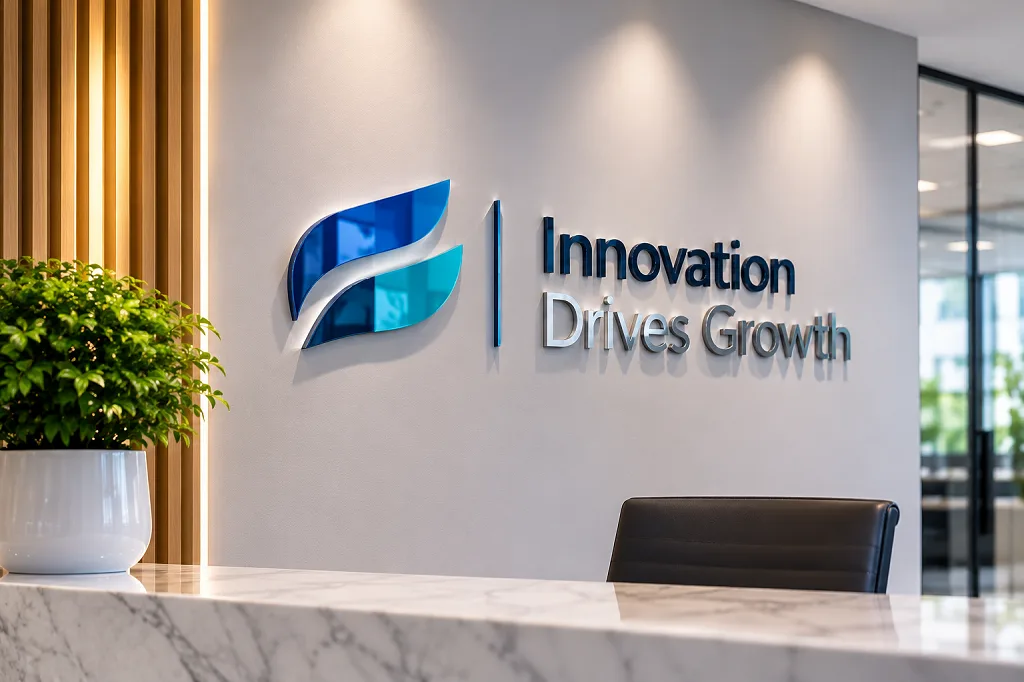
Acrylic Letters and Logo Signs: A Practical Guide for Business Owners
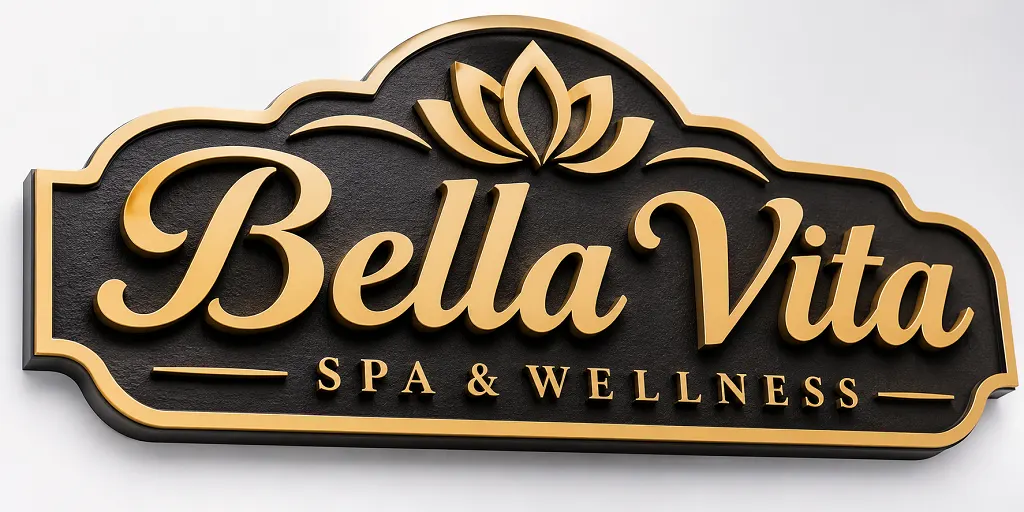
Foam Routed Signs and CNC-Cut Signage: When and Why Businesses Choose This Format
Hanging Signs for Trade Show Booths: Weight, Rigging, and Sightlines That Work
Oversized Foam Letters for Events, Retail Displays, and Brand Activations
PVC, Acrylic, or Small Metal Letters: Choosing the Right Dimensional Letters for Your Storefront

Foam Sculptures and Oversized Product Replicas: How Brands Build Unmissable Experiential Marketing
How Backlit and Halo-Lit Signs Turn a Storefront Into a Landmark After Dark
Digital Signage for Business: What It Is and How to Use It Effectively
Sandblasted and V-Carved Signs: The Craft Behind Timeless, Hand-Finished Business Signage
Floating Pool Letters: A Fresh Way to Brand Pool Parties, Resorts, and Brand Activations
Premium 3D Dimensional Signage with Professional Lighting Solutions
Safety and Warning Signs for the Workplace: A Complete Guide for Business Owners
Recommended Articles
Acrylic Letters and Logo Signs: A Practical Guide for Business Owners
Foam Routed Signs and CNC-Cut Signage: When and Why Businesses Choose This Format
Hanging Signs for Trade Show Booths: Weight, Rigging, and Sightlines That Work
Oversized Foam Letters for Events, Retail Displays, and Brand Activations
PVC, Acrylic, or Small Metal Letters: Choosing the Right Dimensional Letters for Your Storefront
Foam Sculptures and Oversized Product Replicas: How Brands Build Unmissable Experiential Marketing