Fanatical Prospecting and Event Production: Building Opportunities Before They Arrive
Quick Navigation
- Prospecting Should Be a Continuous Process
- Today’s Outreach Shapes Tomorrow’s Work
- Focus on the Right Opportunities
- Every Great Project Starts With a Conversation
- Resilience Creates Long-Term Success
- Combining Sales Knowledge With Creative Expertise
- How Prospecting Connects to Event Fabrication
- A Structured Approach to Project Development
- Creating Momentum Through Consistency
- Conclusion
- Frequently Asked Questions
In the event production and experiential marketing industry, opportunities rarely appear on their own. Successful projects are typically the result of consistent outreach, relationship building, and proactive communication long before a contract is signed.
At 3D Sign Factory, we view prospecting as a critical part of the creative process. Every branded environment, trade show exhibit, custom prop, or dimensional installation begins with a conversation. Without a steady flow of new connections and project discussions, there are no concepts to develop, no experiences to build, and no audiences to engage.
Inspired by the principles of fanatical prospecting, we believe that growth comes from creating opportunities rather than waiting for them.
Prospecting Should Be a Continuous Process
Many businesses treat prospecting as something they do only when work slows down. In reality, the most effective approach is to make outreach a consistent part of the weekly routine.
Just as production schedules require ongoing attention, so does business development.
A conversation started today may become a project several months from now. A quick introduction with an agency, event organizer, or brand manager can eventually lead to future collaborations and long-term partnerships.
Maintaining a regular outreach rhythm helps ensure that the project pipeline remains active regardless of current workload.
For this reason, dedicated time for discovery calls, networking, and relationship development should be part of every growth strategy.
Today’s Outreach Shapes Tomorrow’s Work
One of the most important lessons in sales and event production is understanding the connection between current prospecting efforts and future project volume.
Trade show exhibitors, event organizers, and marketing teams often plan months in advance. Design, fabrication, budgeting, and logistics typically begin long before an event takes place.
This means the conversations happening today directly influence what your production schedule will look like 30, 60, or even 90 days from now.
Organizations that consistently build relationships are often better positioned when opportunities arise because they have already established trust and visibility within their target market.
Focus on the Right Opportunities
Successful prospecting is not simply about contacting as many people as possible.
Targeted outreach often produces far better results than high-volume activity.
Instead of pursuing hundreds of generic contacts, it is usually more effective to focus on decision-makers who are directly involved in event planning, experiential marketing, brand activations, and production management.
Preparation matters as well.
Understanding a prospect’s previous events, branding style, sponsorship strategy, and logistical challenges allows for more meaningful conversations and stronger connections.
When outreach is supported by research and relevance, discussions become more productive and valuable for everyone involved.
Every Great Project Starts With a Conversation
Creative solutions rarely emerge from assumptions.
The most successful event environments are developed through collaboration and discovery.
Before discussing design concepts, it is important to understand:
- Project objectives
- Budget considerations
- Audience expectations
- Event logistics
- Brand messaging
- Space requirements
Once these factors are understood, the creative process can begin with greater clarity.
The strongest event experiences are typically not prepackaged ideas. They are customized solutions developed through ongoing dialogue between clients, designers, and fabrication teams.
Resilience Creates Long-Term Success
Anyone involved in sales or business development understands that not every conversation results in a project.
Prospects may postpone decisions, change priorities, or simply decide not to move forward.
However, persistence remains one of the most valuable business skills.
Thoughtful follow-up, professional communication, and a willingness to remain helpful over time often create future opportunities that may not be immediately visible.
Successful prospecting requires viewing setbacks as part of the process rather than as failures.
Over time, consistency and resilience often become significant competitive advantages.
Combining Sales Knowledge With Creative Expertise
The most successful design-build companies understand both creativity and business operations.
At 3D Sign Factory, every project is approached with attention to both visual impact and practical execution.
This includes evaluating:
- Project scope
- Budget requirements
- Fabrication timelines
- Shipping logistics
- Installation planning
- Production efficiency
By treating each opportunity as a complete business process rather than simply a design exercise, teams can deliver more predictable outcomes and stronger client experiences.
How Prospecting Connects to Event Fabrication
The connection between business development and fabrication is straightforward.
Every successful project begins with identifying a need and understanding how to solve it.
That process eventually leads to products and installations such as:
3D Props and Experiential Elements
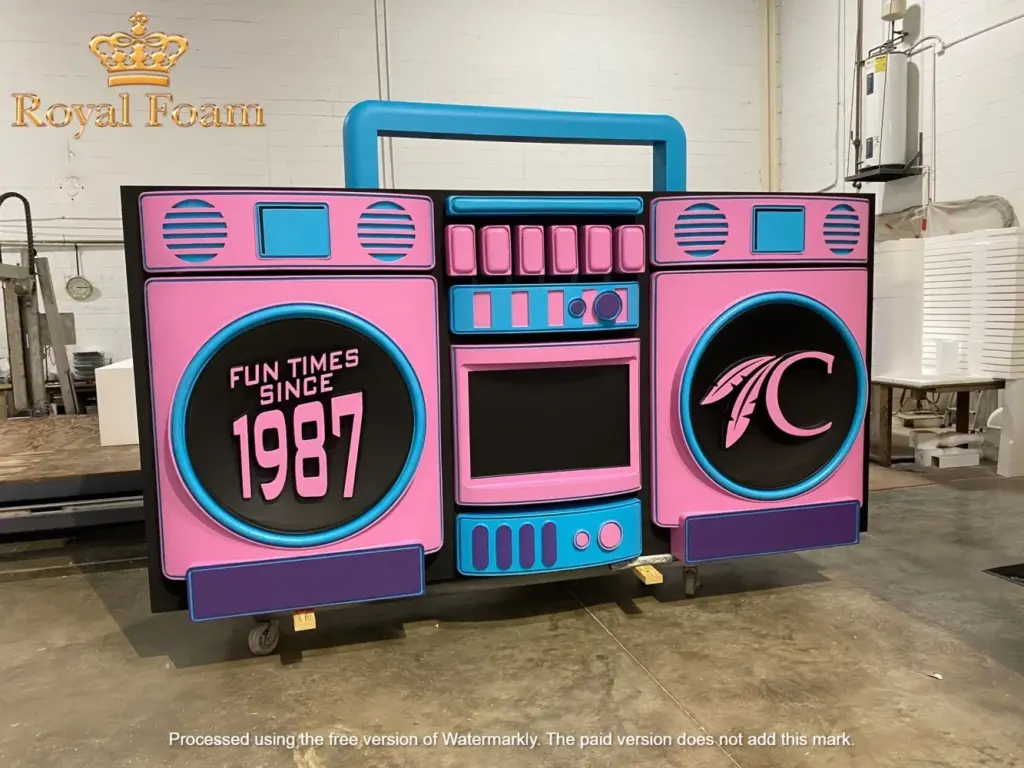
Custom props and immersive décor pieces help define event spaces, create photo opportunities, and strengthen audience engagement.
Freestanding Letters and Logos
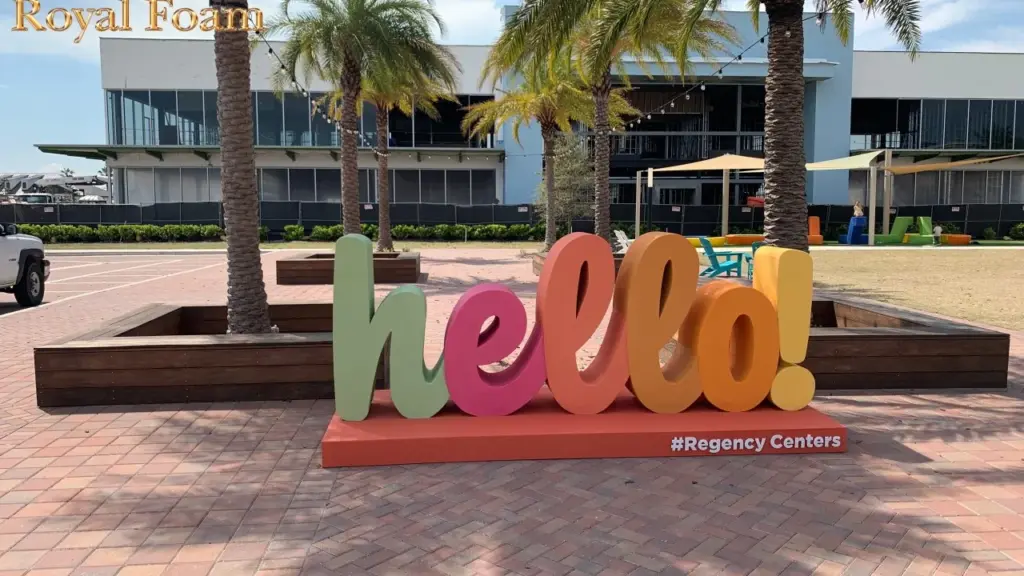
Large dimensional lettering and custom logos are frequently used for stage environments, trade show exhibits, corporate events, and branded activations.
Monument and Routed Signage
Architectural signs, wayfinding systems, and dimensional branding elements help improve visibility while reinforcing brand identity.
While the final products may vary, the process always begins with meaningful conversations and careful planning.
A Structured Approach to Project Development
Successful projects often follow a clear sequence of steps:
Discovery and Consultation
Initial discussions help identify project goals, challenges, and opportunities.
Schedule Planning
Project timelines are aligned with event deadlines and production requirements.
Scope Evaluation
Design concepts are matched to structural, budgetary, and logistical considerations.
Logistics Coordination
Shipping schedules, installation requirements, and site-specific details are addressed early in the process.
Prototyping and Production
Concepts are refined, pricing is developed, and fabrication moves forward with confidence and clarity.
This structured approach reduces uncertainty while helping ensure successful project delivery.
Creating Momentum Through Consistency
One of the key ideas behind fanatical prospecting is momentum.
Consistent outreach creates conversations.
Conversations create opportunities.
Opportunities become projects.
Projects lead to relationships, referrals, and future growth.
In the event production industry, maintaining that momentum is essential for long-term success.
Conclusion
Prospecting is far more than a sales activity. It is the foundation that supports every stage of the design-build process.
From the first introduction to final installation, successful projects depend on proactive communication, strategic planning, and a commitment to building relationships before opportunities formally appear.
For companies involved in events, trade shows, experiential marketing, and branded environments, consistent prospecting helps transform potential opportunities into completed projects that deliver measurable results.
At 3D Sign Factory, we combine creative fabrication expertise with a disciplined business development approach to help brands create memorable experiences that stand out long after the event ends.
Frequently Asked Questions
Why does 3D Sign Factory view prospecting as a critical part of the creative process?
Without a steady flow of fresh outreach and project discussions, there are no initial concepts to develop, no custom experiences to build, and no audiences to engage. Continuous business development is the essential spark that fuels the entire design-build cycle.
How long do prospecting conversations usually take to transform into real fabrication projects?
Because marketing agencies and corporate exhibitors plan months in advance, a quick introduction made today typically influences production schedules 30, 60, or 90 days down the road. Maintaining an active pipeline ensures steady production volume regardless of the current workload.
What is the benefit of targeted outreach over high-volume generic messaging?
Instead of chasing hundreds of cold leads, focusing specifically on decision-makers in event planning and experiential marketing produces far higher conversion rates. Researching a prospect’s past activations beforehand ensures the conversation is relevant and immediately valuable to both parties.
What key technical and financial factors must be clarified during an initial consultation?
Before any design sketches or blueprints begin, teams must fully understand the client’s project objectives, budget constraints, audience expectations, and event logistics. Clarifying these factors early prevents wasted design hours and ensures a highly predictable outcome.
Why is a structured project development process important for event timelines?
Following a clear sequence—from discovery and scope evaluation to logistics and production planning—eliminates unexpected production errors. This structured approach ensures that large-scale shipping and on-site installation schedules align perfectly with unforgiving event deadlines.
How does sales momentum benefit long-term business growth in event fabrication?
Consistent prospecting creates initial conversations, which naturally multiply into serious project opportunities. Over time, executing these projects successfully builds deep industry relationships, organic client referrals, and sustainable business momentum.
Read more
Acrylic Letters and Logo Signs: A Practical Guide for Business Owners
Foam Routed Signs and CNC-Cut Signage: When and Why Businesses Choose This Format
Hanging Signs for Trade Show Booths: Weight, Rigging, and Sightlines That Work
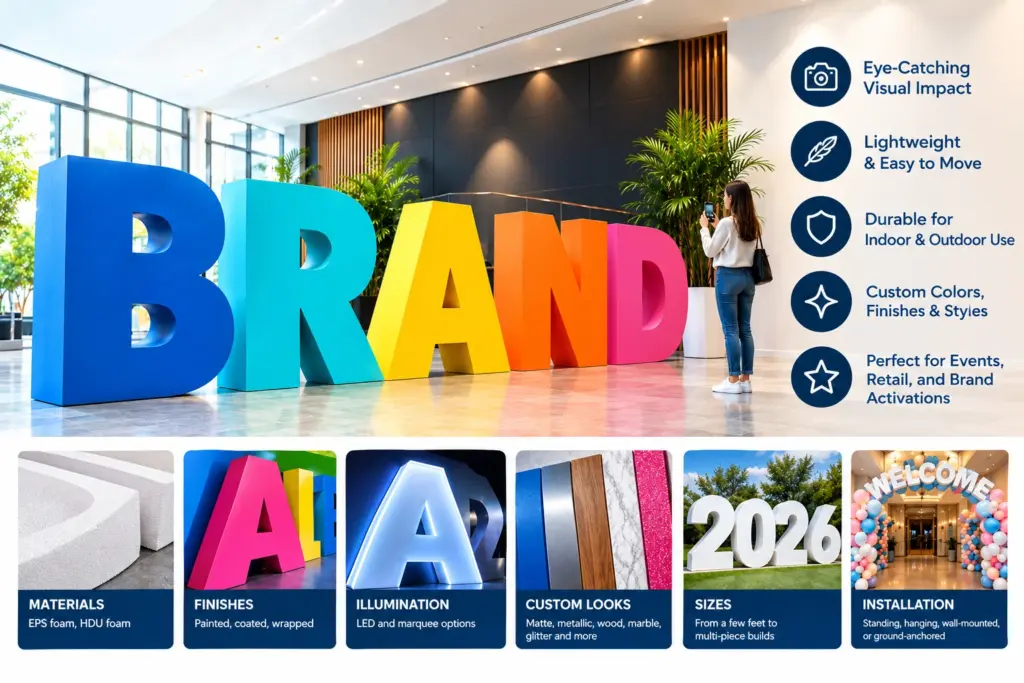
Oversized Foam Letters for Events, Retail Displays, and Brand Activations
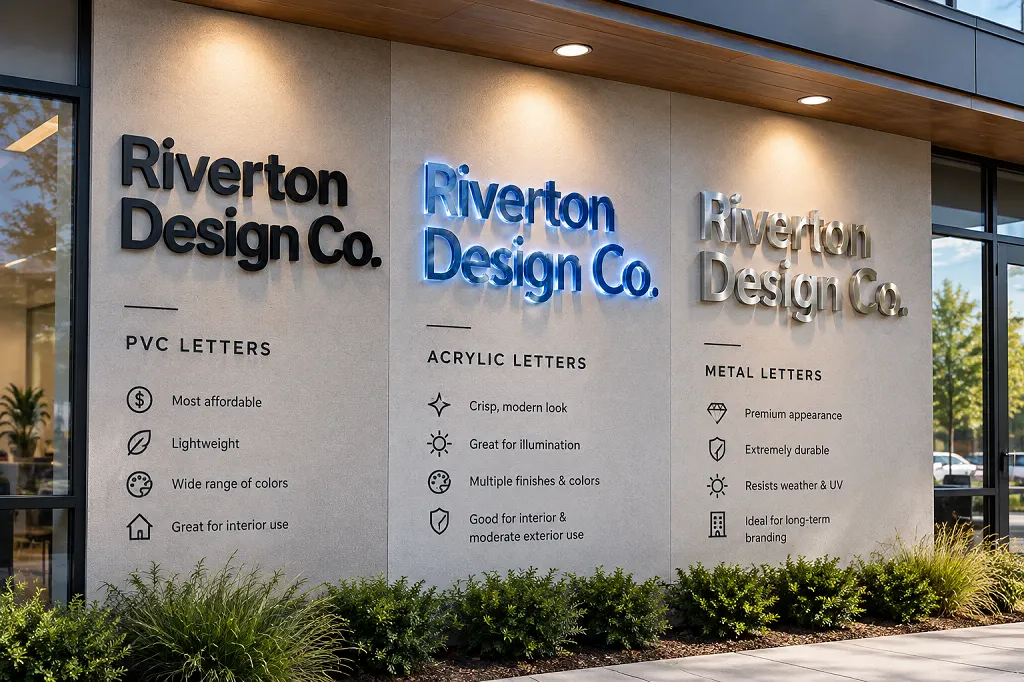
PVC, Acrylic, or Small Metal Letters: Choosing the Right Dimensional Letters for Your Storefront
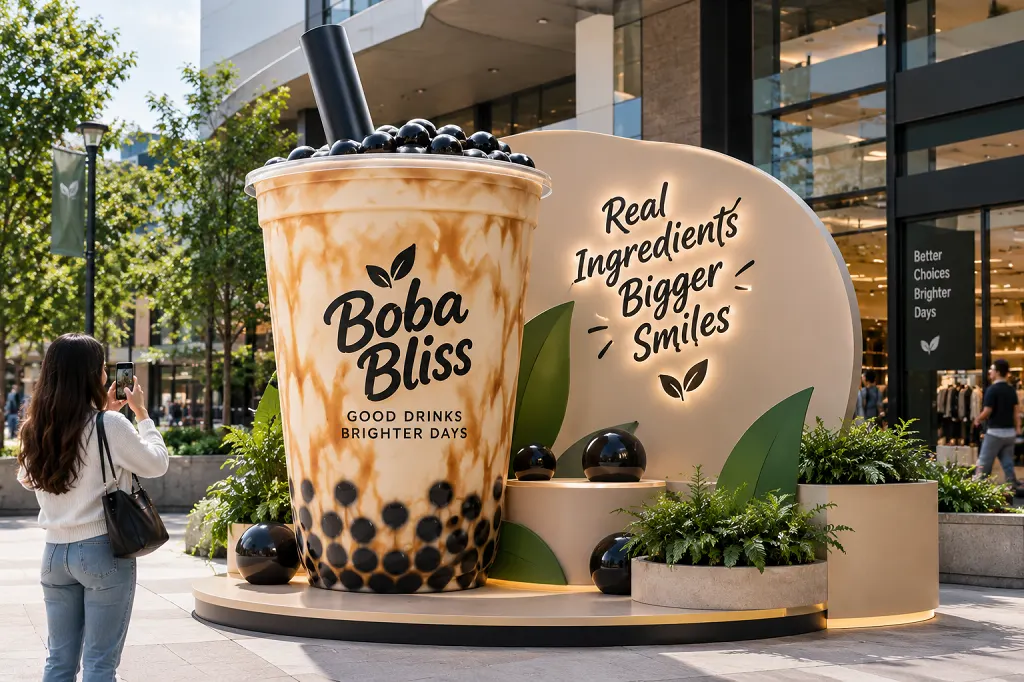
Foam Sculptures and Oversized Product Replicas: How Brands Build Unmissable Experiential Marketing
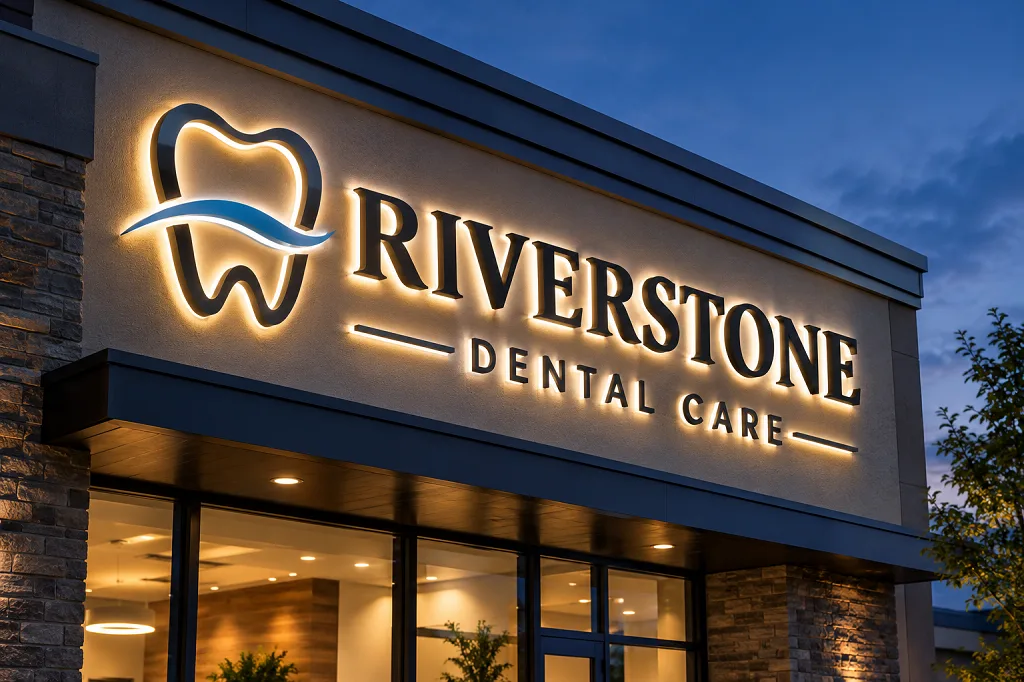
How Backlit and Halo-Lit Signs Turn a Storefront Into a Landmark After Dark
Digital Signage for Business: What It Is and How to Use It Effectively
Sandblasted and V-Carved Signs: The Craft Behind Timeless, Hand-Finished Business Signage
Floating Pool Letters: A Fresh Way to Brand Pool Parties, Resorts, and Brand Activations
Premium 3D Dimensional Signage with Professional Lighting Solutions
Safety and Warning Signs for the Workplace: A Complete Guide for Business Owners
Recommended Articles
Acrylic Letters and Logo Signs: A Practical Guide for Business Owners
Foam Routed Signs and CNC-Cut Signage: When and Why Businesses Choose This Format
Hanging Signs for Trade Show Booths: Weight, Rigging, and Sightlines That Work
Oversized Foam Letters for Events, Retail Displays, and Brand Activations
PVC, Acrylic, or Small Metal Letters: Choosing the Right Dimensional Letters for Your Storefront
Foam Sculptures and Oversized Product Replicas: How Brands Build Unmissable Experiential Marketing