Custom Carved Wood & HDU Signs for Businesses
The first impression of a business forms long before anyone talks to a sales rep or reads a proposal. It happens the moment someone pulls up to a property, takes in the facade, clocks the details — and makes a call, almost without thinking about it. In that split second, the visual environment works like a filter: “Is this somewhere I want to engage with?”
This is exactly where 3D Sign Factory sandblasted signs and V-carved signs come into play. These aren’t just signs. They’re architectural design elements that set the mood and shape the atmosphere of a space. Get it right, and they elevate a brand’s visual value, read by viewers almost like a calling card — an immediate stand-in for the brand itself. They shape how the brand gets understood in the marketplace too, reinforcing its positioning and identity in a clear, intentional way. Get it wrong, and even the strongest project takes a hit.
In commercial real estate, construction, and design-driven environments, these solutions moved past decoration a while ago. They’re strategic assets now, ones that directly shape perception, trust, and — ultimately — the bottom line.
Sandblasted vs. V-Carved Signs: What They Are and How They Differ

Sandblasted signs come from a sandblasting process. The softer layers of the material — commonly wood letters for signs or HDU panels — get blasted away, and what’s left is the kind of dimensional, textured surface you see on 3D carved wood signs: natural, organic, almost handcrafted-looking.
V-carved (or V-cut) signs, often built as CNC wood signs, come from precision CNC routing instead. Lettering and design elements get cut at an angle, which is where the crisp edges, clean lines, and well-defined contours come from. Both processes happen entirely in-house, as part of the same architectural fabrication work behind every category we build — nothing here comes off a catalog shelf.
The core differences between the two come down to this.
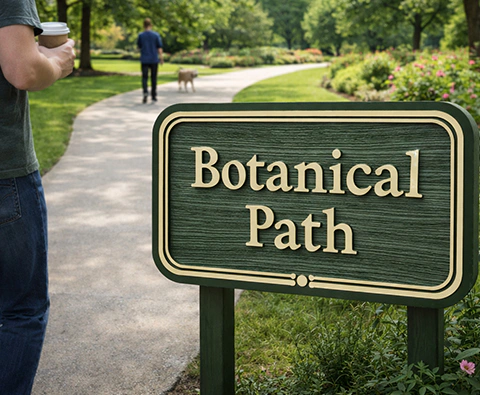
Wood carved signs feel authentic, tactile. They carry the character of craftsmanship — depth, natural texture, a personality that reads as almost artisan-made. That’s a strong fit for projects where atmosphere matters, where warmth, trust, and a human touch are the point.
V-carved signs land differently. Precision, structure, a more business-forward look — they communicate clarity and discipline, which suits corporate branding and commercial environments well. These signs reinforce consistency, brand control, and high readability, all of which matter wherever visual identity needs to be sharp, uniform, unmistakably professional.
Why do brands and business projects choose custom signage instead of going with mass-market options?
In business environments, carved business signs are never just a decorative afterthought — they carry real weight. Signage works as a strategic layer, one that reflects how a brand thinks about positioning, how it engages its audience, how it approaches customer acquisition and visibility, and that’s a different conversation entirely from picking something off a shelf at the sign store.
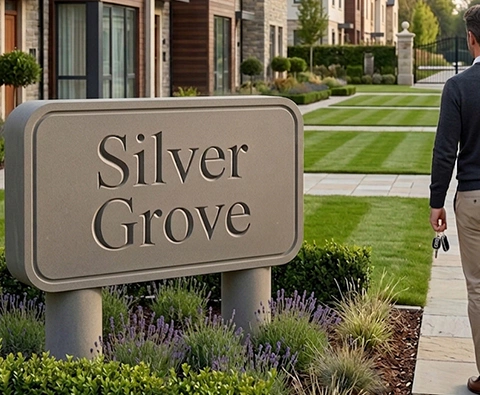
In residential real estate and housing development, custom wood-look or stone-look signage — often essentially wood carved signs for business use — becomes part of the developer’s overall concept.
These signs get woven into a cohesive design narrative, reinforcing the property’s unified composition and underlying philosophy. They set the tone before a prospect even steps out of their car, the same way custom entrance signs do for gated communities. A well-designed entry monument, dimensional carving, refined typography, a high-quality finish — all of it signals positioning instantly, and that perception ends up shaping leasing and purchase decisions.
In commercial real estate, especially office parks and mixed-use developments, custom carved signage plays a dual role. It serves as one of the clearest wayfinding examples out there while also reinforcing brand positioning. Tenants want to be associated with spaces that look professional and well-curated, and in this context, custom outdoor business signs become part of the asset’s “packaging” — letting developers justify premium lease rates and attract higher-quality tenants.
In hospitality – restaurants, boutique hotels, destination venues—these solutions shape the guest experience from the first glance. Sandblasted signs, often built from carved wood panels, create an emotional connection and reinforce the concept behind the space. That matters a lot for niche or experience-driven brands, where differentiation is everything.
For private clinics and educational institutions, the emphasis shifts toward credibility and trust. Clean, precise v-carved signs communicate professionalism, stability, and attention to detail. In these sectors, that initial visual cue often ends up deciding client choice.
Benefits of Sandblasted and V Carved signage for business
1. Long-term durability and environmental resistance
Materials used in sandblasted signs and v-carved signs are built for long-term outdoor performance. An HDU sign, for instance, doesn’t absorb moisture, won’t crack, and holds its structural integrity over time — which translates into lower lifecycle costs and fewer replacement cycles down the road.
Modern coatings protect against UV exposure too, keeping color vibrant even under constant sun. For high-traffic or fully exposed custom outdoor signs, that’s essential — signage keeps looking sharp and relevant for years without demanding constant upkeep.
2. Increased perceived value of the property
Dimensional carving creates depth, shadow, and visual contrast — none of which flat signage can replicate. That naturally lifts how a property gets perceived, often without people even noticing why.
For property owners, this translates into stronger positioning and a premium brand that can support higher pricing across the board — lease rates, services, resale value. At the end of the day, perception is what drives a customer’s willingness to pay more.
3. Design flexibility and brand alignment
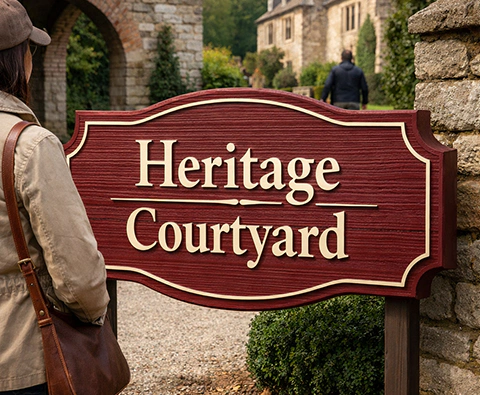
Custom carved signage offers a high level of design freedom. From classic serif sign letters to modern brand marks, the carving process allows for depth, nuance, and precision.
That opens the door to countless CNC sign ideas for multi-location businesses: one design system can roll out across multiple sites while still adapting to local architectural context. The result — consistency without losing individuality, exactly what strong brands rely on.
How to choose between sandblasted signs and v carved signs
Choosing between sandblasted signs and V-carved signs is rarely just a technical decision. It’s fundamentally about positioning. The real question is: what should people feel when they see your signage? If your project runs on warmth, character, a sense of place — a residential community, a hospitality concept, a lifestyle-driven development, whatever it is — sandblasted signs tend to deliver that emotional layer. This applies just as much to rustic business signs, farm signs, and ranch signs as it does to a boutique hotel entrance. They add texture, soften the visual language, make the brand feel more approachable.
On the other hand, if you’re working on a corporate office environment, a medical facility, or a structured commercial asset, v carved signs typically align better. Their crisp lines and geometric clarity communicate order, professionalism, reliability — and where trust and organization aren’t negotiable, that visual signal matters more than most businesses realize.
Often, the smartest move isn’t choosing one over the other. It’s combining both. Hybrid solutions — essentially custom wood carved signs where a sandblasted background gets paired with v carved signs lettering — strike a balance between emotion and precision. It takes a more thoughtful design process, but the payoff is usually more distinctive, more memorable, more effective.
Common mistakes when ordering custom signs
One of the most frequent missteps with custom carved signs is underestimating the context the sign will actually live in. A business might invest in a high-quality piece and still miss the subtle details only a specialist would typically catch.
Viewing distance plays a major role in how a piece actually reads. Lighting angles and environmental conditions matter just as much. In practice, the same sign can look completely different depending on these variables — sometimes dramatically so.

What looks balanced and refined in one setting can feel flat, overly aggressive, or even illegible in another. The result? Even a premium sign underperforms because it’s hard to read or gets lost visually in its surroundings.
A very common issue is cutting corners on materials — chasing cheap custom signs instead of investing in the right system. On the surface, cutting costs, or even making your own signs in-house, can look like the smart, practical move. But factor in how fast lower-grade materials fade, warp, or break down, and reality sets in fast: you get what you pay for.
Over time, this often costs a lot more than doing it right the first time would have — repairs, replacements, sometimes even a full redesign and reinstallation of the whole system.
This tends to happen in environments with no cohesive branding strategy, where signage gets treated as a standalone element instead of part of a bigger brand ecosystem.
Take a unified approach instead — brand guidelines, typography, color systems all aligned — and brand recognition gets a lot stronger, a lot more consistent across every touchpoint.
For multi-location businesses, or companies chasing scalable, long-term growth, that kind of consistency isn’t a “nice to have.” It’s a real driver of sustained brand equity.
Conclusion
Great signage doesn’t shout — it convinces. It doesn’t explain why your business is trustworthy so much as it removes the doubt before a conversation even starts.
Sandblasted signs, wood carved signs, and v carved signs work quietly, but consistently. They reinforce architecture, elevate brand perception, and create that subtle edge separating an average property from a standout one.
Want your project to look more valuable, lease faster, get taken seriously from day one? Start with what people see first.
Strong brands get built in moments.
Make that moment count.
Ready to elevate your project? Let’s build signage that works as hard as you do — contact 3D Sign Factory today to get started.
Read more
Foam Routed Signs and CNC-Cut Signage: When and Why Businesses Choose This Format
Hanging Signs for Trade Show Booths: Weight, Rigging, and Sightlines That Work
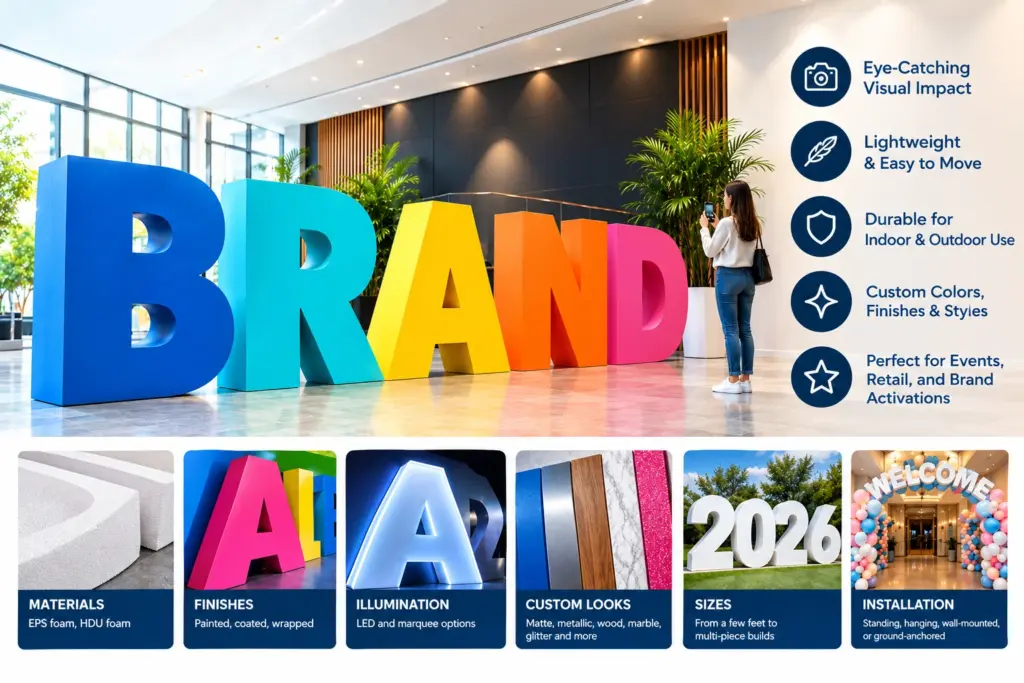
Oversized Foam Letters for Events, Retail Displays, and Brand Activations
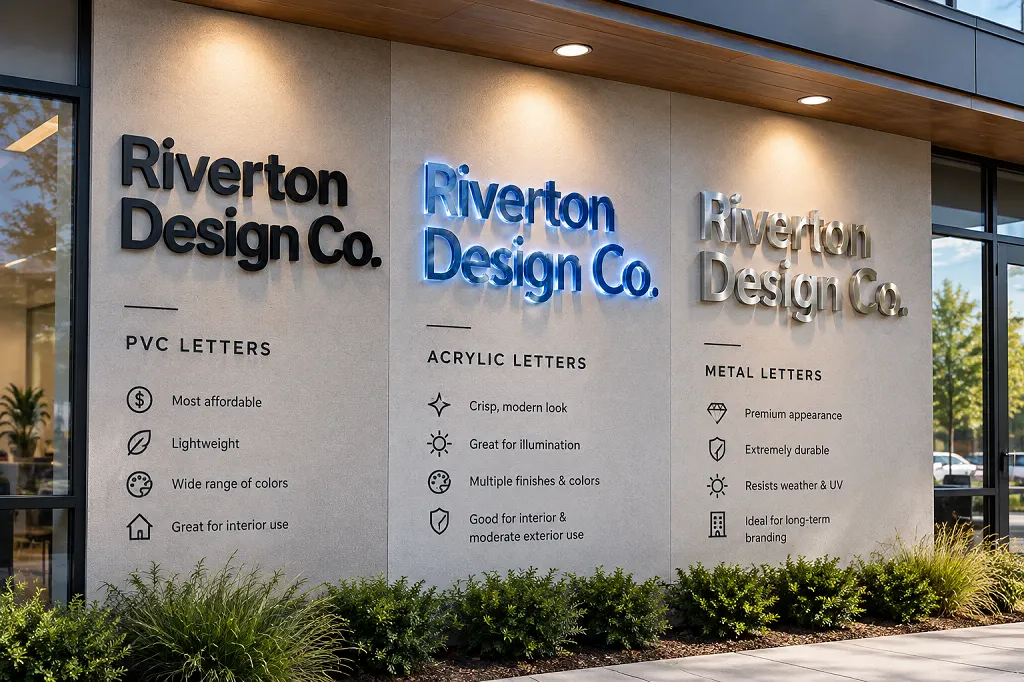
PVC, Acrylic, or Small Metal Letters: Choosing the Right Dimensional Letters for Your Storefront
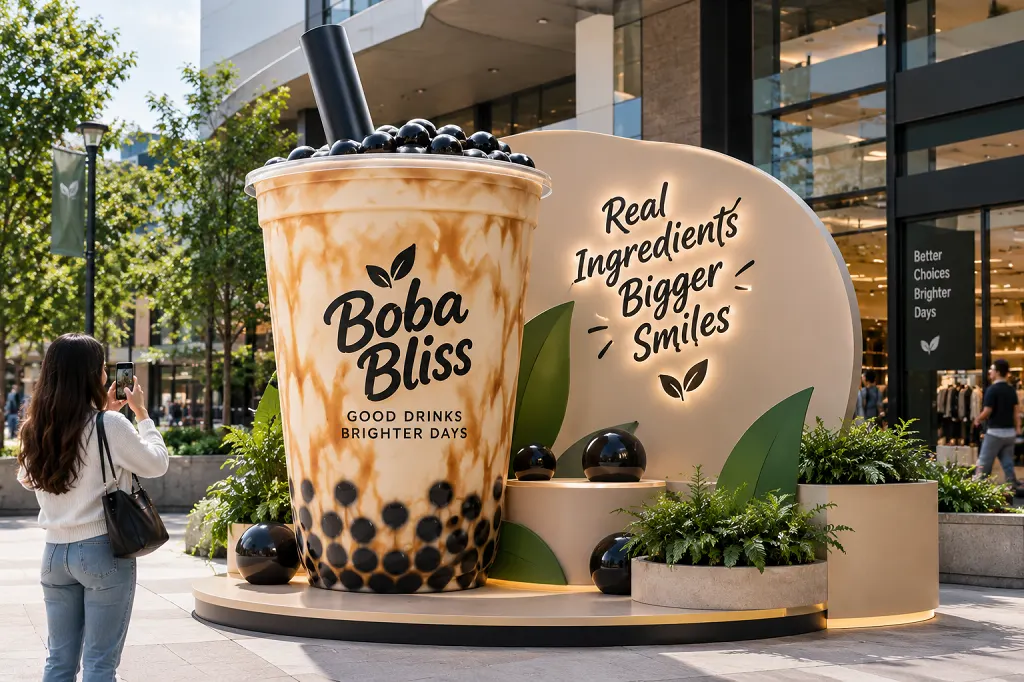
Foam Sculptures and Oversized Product Replicas: How Brands Build Unmissable Experiential Marketing
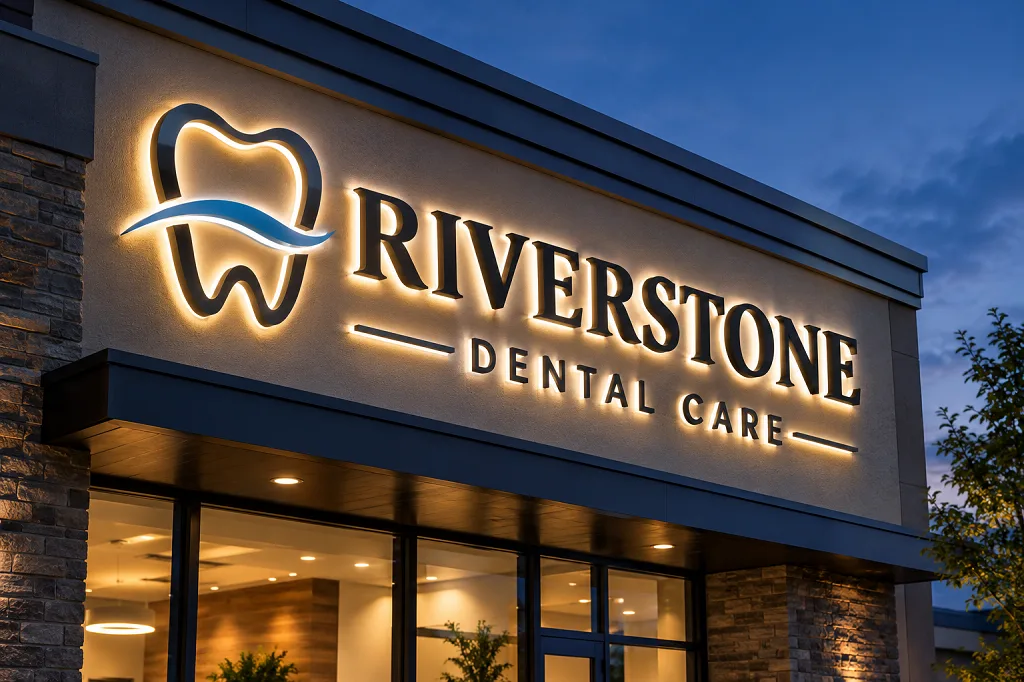
How Backlit and Halo-Lit Signs Turn a Storefront Into a Landmark After Dark
Digital Signage for Business: What It Is and How to Use It Effectively
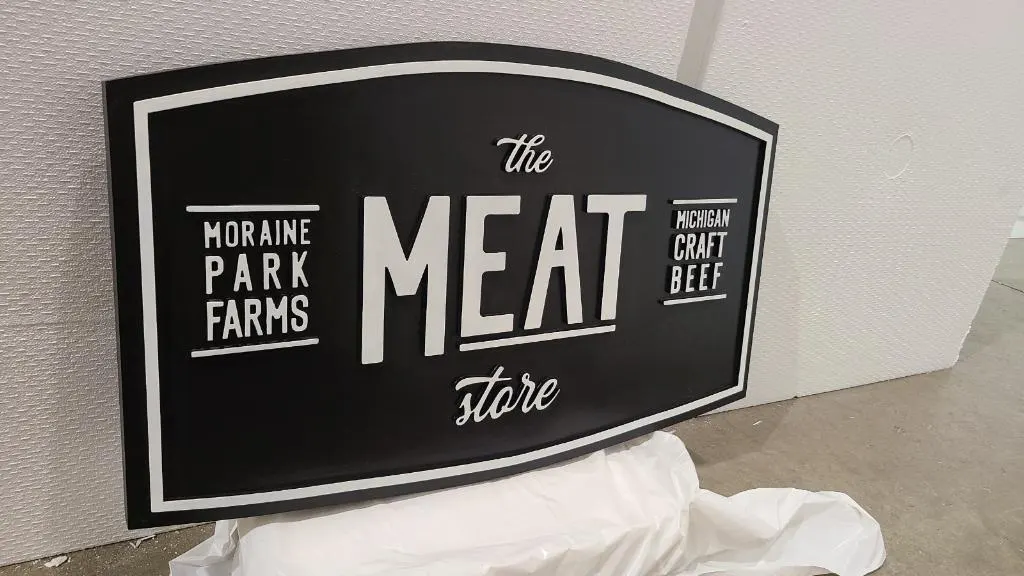
Sandblasted and V-Carved Signs: The Craft Behind Timeless, Hand-Finished Business Signage
Floating Pool Letters: A Fresh Way to Brand Pool Parties, Resorts, and Brand Activations
Premium 3D Dimensional Signage with Professional Lighting Solutions
Safety and Warning Signs for the Workplace: A Complete Guide for Business Owners
Massive 3D Dimensional Signage That Commands Attention
Recommended Articles
Foam Routed Signs and CNC-Cut Signage: When and Why Businesses Choose This Format
Hanging Signs for Trade Show Booths: Weight, Rigging, and Sightlines That Work
Oversized Foam Letters for Events, Retail Displays, and Brand Activations
PVC, Acrylic, or Small Metal Letters: Choosing the Right Dimensional Letters for Your Storefront
Foam Sculptures and Oversized Product Replicas: How Brands Build Unmissable Experiential Marketing
How Backlit and Halo-Lit Signs Turn a Storefront Into a Landmark After Dark