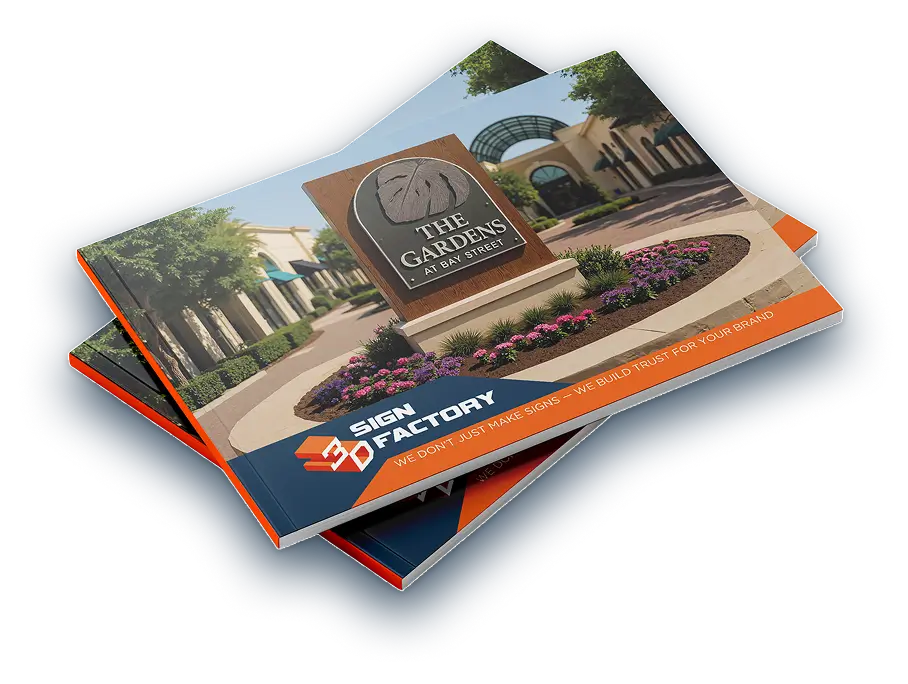
Custom Molds for Cast Stone & Concrete
At 3D Sign Factory, modern custom architectural foam solutions have opened up new ways to produce realistic signs, plaques, and decorative elements. Stone signage molds specifically are what make that natural stone look possible. No added weight. No complicated logistics. No high production costs either.
In today’s construction market, businesses are trying to strike a balance between how a product looks and how much it costs to make. Foam molds do that well. They bring together a premium look, real professionalism, and efficient use of both production time and resources.
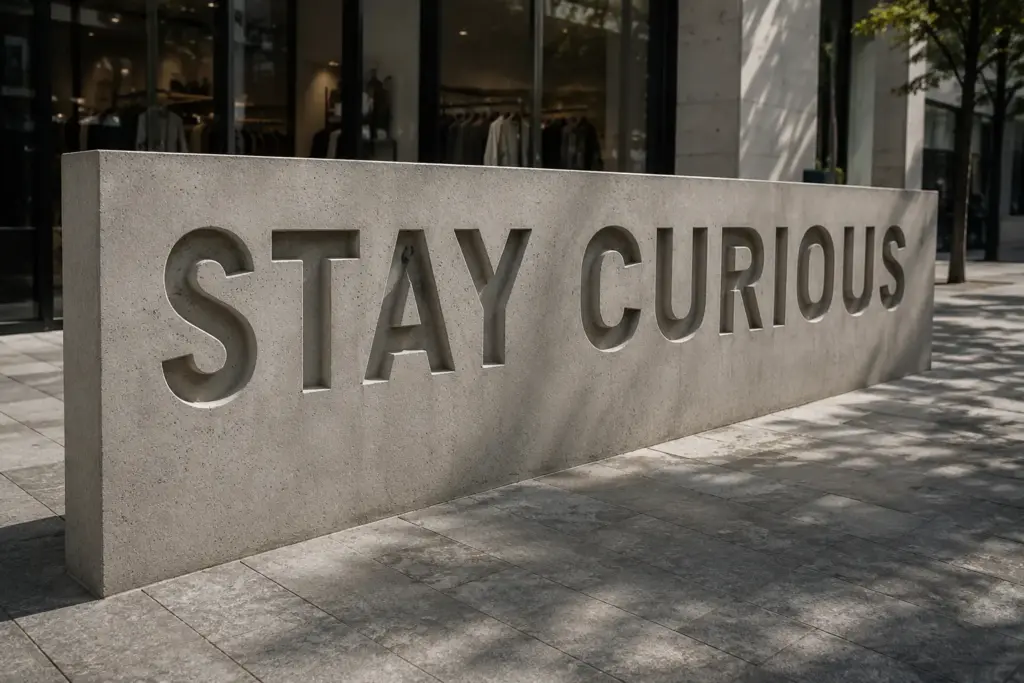
Concrete molds and decorative stone molds now show up far beyond traditional construction. Commercial development, branded environments, retail spaces, design-driven projects, all of it. For business owners and developers this usually means more flexibility, lower overhead, and results that stay consistent across multiple locations.
Molds also cut down how much a project depends on skilled manual labor, and that labor is expensive and hard to scale when a project is moving fast.
When foam entered the market, it changed the construction industry. Designers and architects suddenly had more freedom because a lot of the old design limitations just went away. Foam-based architectural elements made installation and logistics simpler, and they let designers actually push their creativity when working with architectural forms.
Large concrete molds and formwork get produced faster now than they used to, they’re easier to work with, and they cost less to ship. That matters on every project, but it matters most in commercial construction, where the timeline is tight and the deadline doesn’t move.
That’s part of why developers and contractors across the US keep coming back to these solutions. They streamline the workflow and shorten the production cycle.
Materials that are simpler to ship and install also cost less, so the whole process runs more efficiently. Foam became the foundation for a lot of new technology here, letting custom molds combine light weight, durability, and highly detailed finishes all at once. Composite materials now extend the lifespan of foam molds too, turning them from something you use once into an actual business asset you keep using for years.
Why molds matter more than you might think
At 3D Sign Factory, choosing the right custom concrete molds — each one shaped through hands-on architectural fabrication — isn’t only a technical decision. It’s part of the business strategy. How the finished product looks comes down directly to the quality of the mold you started with.
A natural stone look comes from a high-quality foam mold, and that mold needs real care in the details: tiny cracks, texture, the specific character each stone has. Skip that, and the result reads as a cheap imitation pretty fast.
Grain texture, edge definition, surface irregularities. These matter because they’re what actually shapes how people perceive the final product.
High-quality molds replicate natural textures accurately. The realism comes from surfaces built with attention to fine detail: cracks, patterns, small organic imperfections. They also keep results consistent across mass production, and that matters a lot for commercial properties, and for brands running franchises in malls or operating retail chains, because it directly supports how recognizable the brand is.
They cut material waste too, and improve business efficiency overall. A properly engineered foam mold distributes concrete evenly. That prevents voids, cuts defects, and brings production costs down. At the same time it keeps things consistent and uniform at scale, which matters a lot on large elements, where even a small deviation can turn into a real installation problem.
Concrete molds for statues and signage let you produce architectural elements that read as natural stone while staying easy to transport, install, and maintain. They hold up well over time. They’re also easier to repair and care for than the real material, which is a genuine advantage in commercial work.
Where modern creators use stone-look molds for maximum impact
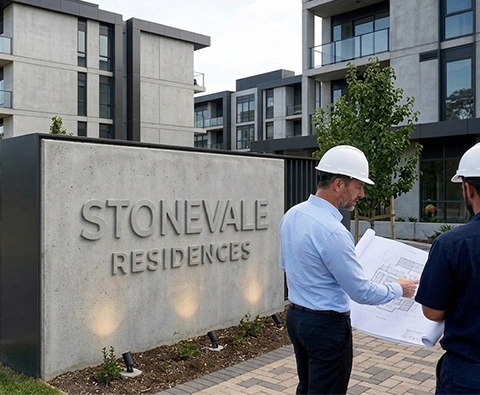
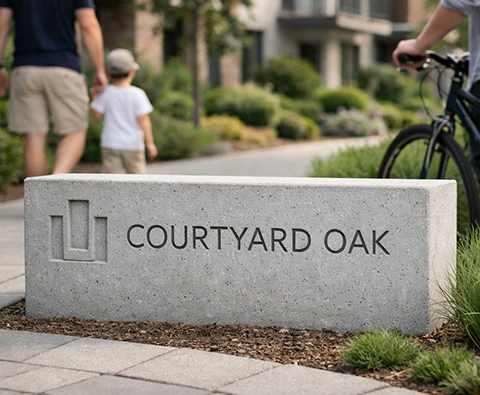

Molds like these get used anywhere durability and visual impact both matter, everything from cast stone panels to full architectural facades.
Architecture
Cast stone masonry pieces let designers and architects build massive, premium facade elements without adding structural weight. That opens up a lot more room for creative freedom.
Landscape design
Natural-looking stepping stones come together efficiently with these molds, and that includes ledger stone finishes for retaining walls and garden borders. Designers mix patterns and textures pretty freely here.
Commercial signage
Custom molds for signage play a key role in how an audience perceives a brand, and in building recognition overall.
Decorative and public spaces
Concrete molds for stepping stones and similar products show up constantly in parks, plazas, and public installations. The same technology works just as well for memorial plaques and commemorative markers in those same spaces.
They’re built for a wide range of weather and heavy foot traffic, and that’s exactly why they hold up as a long-term choice.
The Evolution of Natural Stone-Look Signage
In the past, every stone sign took real craftsmanship because someone made it by hand. That meant longer timelines and, naturally, a higher bill for the client. Concrete molds changed that. Businesses can now optimize cost, time, and resources, and streamline production of architectural concrete elements using foam molds instead.
Modern concrete signage production leans on things like LED integration, 3D modeling, and CNC cutting. These tools make it possible to hit real precision and consistency, even across large runs of identical pieces.
Today’s concrete molds deliver a high level of detail in every piece. Foam molds used in concrete casting are what make that possible, since they capture even the smallest features. That means fewer production errors, and a process that’s more transparent, more accurate, refined right down to the smallest detail.
Technology made all of this more accessible, without sacrificing the authentic look of natural materials. That’s why even a small company today can grow and stay competitive by building custom solutions that look premium and meet what the market wants.

Key features and types of molds
Today’s architectural materials market covers a wide range of concrete elements, each one built for a specific purpose and a specific budget. Cylinder columns, stepping stones, GFRG panels for large-format facade work, the range is genuinely broad.
Cylindrical concrete molds, for example, replicate the look of columns and other structural elements. They deliver strength, precise geometry, and defined load-bearing capacity, which is exactly why they show up on projects where structural performance actually matters.
Concrete molds for stepping stones and pavers work across all kinds of surfaces, including outdoor and garden pathways, where looks and long-term durability both matter. They hold up to repeated use without losing visual appeal.
Faux stone monuments are built for detailed elements with more complex geometry and design. They’re versatile enough to fit almost any type of space. And honestly, it’s one of the questions we hear most: where to buy molds for concrete statues that actually hold up over time.
Large concrete molds and formwork get the most use on construction sites and large-scale building projects. They’re cost-effective and still deliver fast, efficient, high-quality results.
The Production Process: Professional Execution and Quality Control.
Thorough mold preparation
The mold gets cleaned and prepped so texture transfer comes out as accurate as possible when using concrete molds. Dirt, residue, leftover particles, any of it can throw off the final surface. This step looks simple, but it’s genuinely critical to a high-quality concrete piece.
Material pouring
The mix goes into the concrete molds evenly, to keep structural uniformity and consistency intact. Getting the density and flow characteristics right really matters here, or you risk weak spots, air bubbles, voids in the finished form.
Compaction
The material gets compacted to eliminate imperfections and hold the sharpness and definition of the shape. This step directly affects both strength and visual appeal in the finished concrete form.
Curing
The concrete builds strength under controlled conditions. Temperature and humidity need careful regulation here, so the final structure comes out durable and long-lasting.
Demolding
The piece gets carefully removed from the mold. Handle this wrong, and you risk damaging edges and surface texture detail.
Finishing
At this point, decorative coatings go on. They protect against moisture and weather while also boosting the overall visual appeal.
Ready to bring a natural stone look to your next project? Contact 3D Sign Factory today to request a free quote.
Read more

Foam Routed Signs and CNC-Cut Signage: When and Why Businesses Choose This Format

Hanging Signs for Trade Show Booths: Weight, Rigging, and Sightlines That Work

Oversized Foam Letters for Events, Retail Displays, and Brand Activations
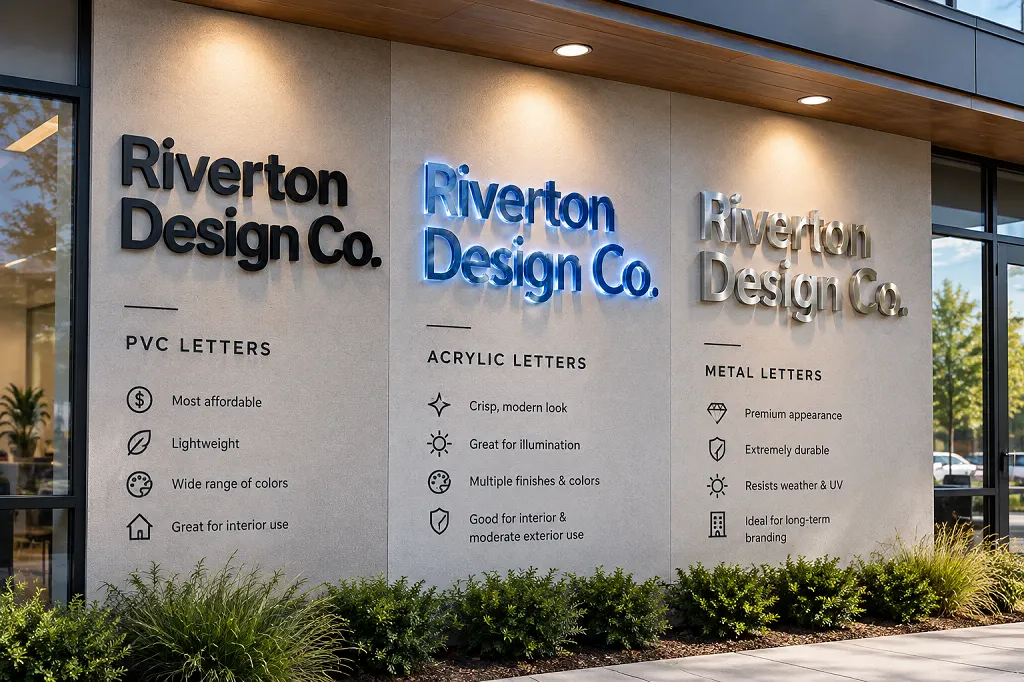
PVC, Acrylic, or Small Metal Letters: Choosing the Right Dimensional Letters for Your Storefront

Foam Sculptures and Oversized Product Replicas: How Brands Build Unmissable Experiential Marketing

How Backlit and Halo-Lit Signs Turn a Storefront Into a Landmark After Dark
Digital Signage for Business: What It Is and How to Use It Effectively
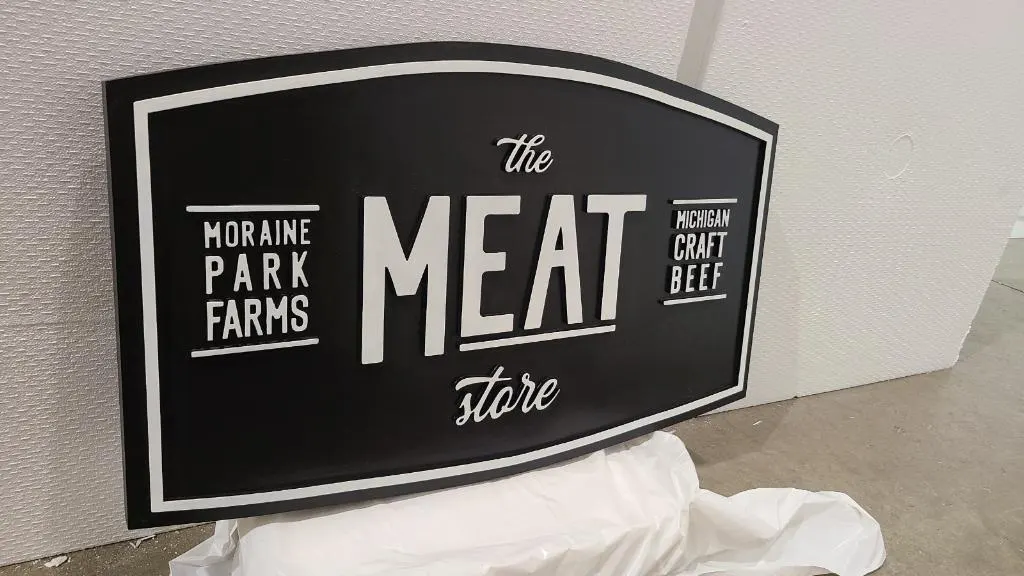
Sandblasted and V-Carved Signs: The Craft Behind Timeless, Hand-Finished Business Signage

Floating Pool Letters: A Fresh Way to Brand Pool Parties, Resorts, and Brand Activations

Premium 3D Dimensional Signage with Professional Lighting Solutions
Safety and Warning Signs for the Workplace: A Complete Guide for Business Owners
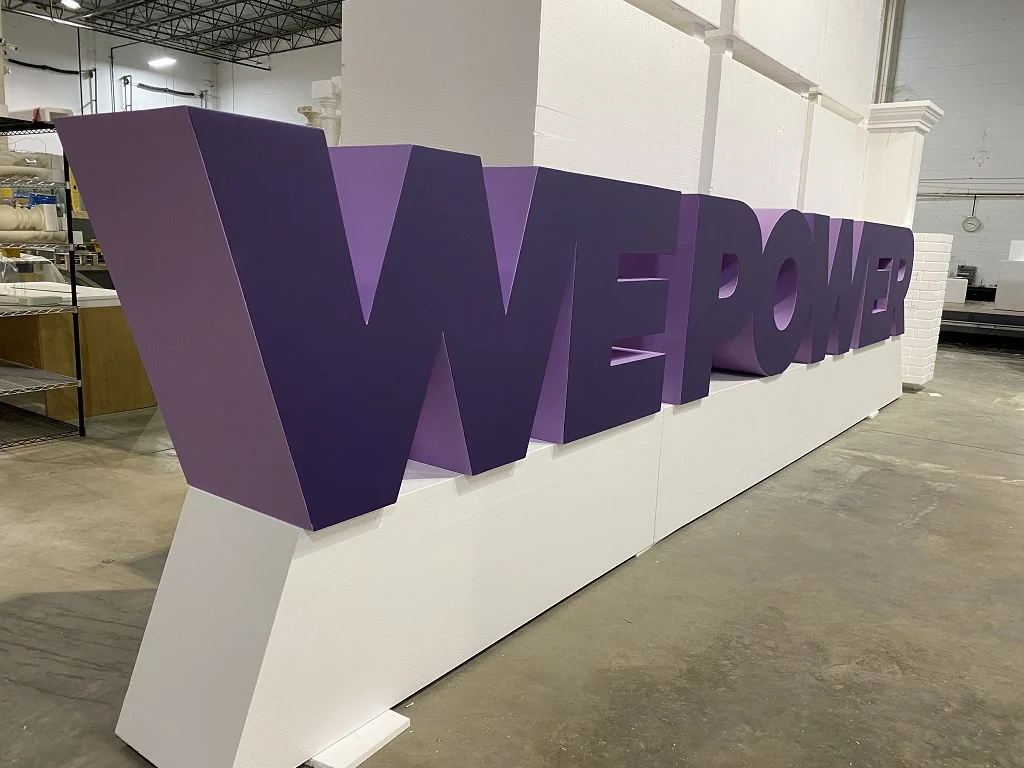
Massive 3D Dimensional Signage That Commands Attention
Recommended Articles
Foam Routed Signs and CNC-Cut Signage: When and Why Businesses Choose This Format
Hanging Signs for Trade Show Booths: Weight, Rigging, and Sightlines That Work
Oversized Foam Letters for Events, Retail Displays, and Brand Activations
PVC, Acrylic, or Small Metal Letters: Choosing the Right Dimensional Letters for Your Storefront
Foam Sculptures and Oversized Product Replicas: How Brands Build Unmissable Experiential Marketing
How Backlit and Halo-Lit Signs Turn a Storefront Into a Landmark After Dark