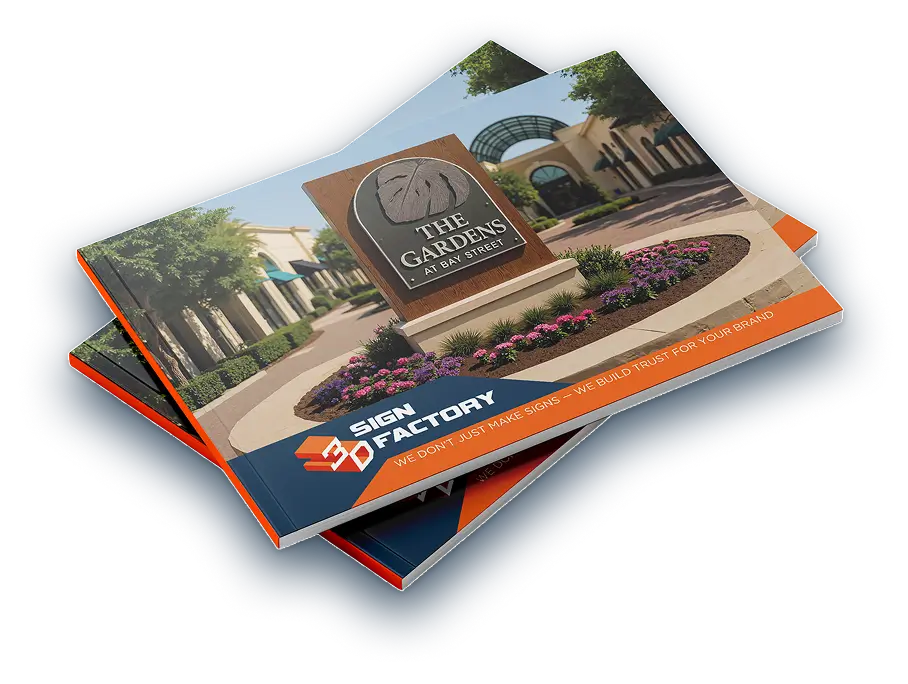
Foam Monument Signs: A Durable and Professional Signage Solution
Foam monument signs are a popular choice for businesses, residential communities, schools, churches, medical facilities, and commercial properties looking for a professional and permanent-looking entrance sign without the cost and weight of traditional stone or masonry.
Designed to create a strong first impression, foam monument signs combine the appearance of high-end materials with the flexibility and efficiency of modern signage manufacturing.
What Are Foam Monument Signs?
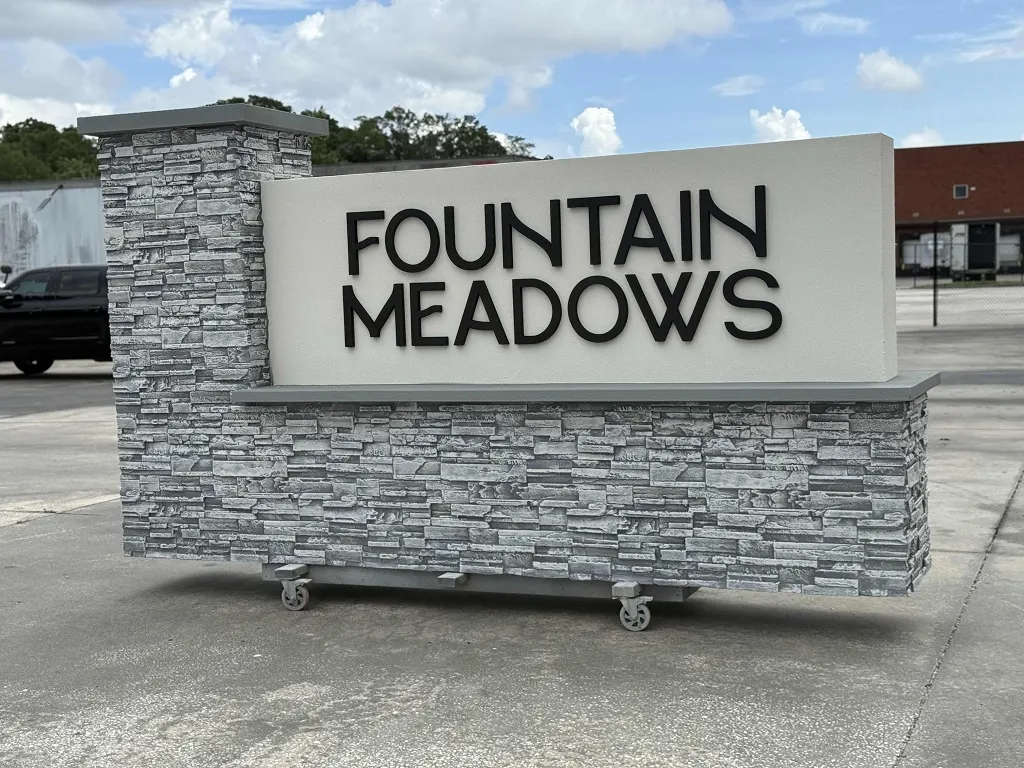
Foam monument signs are freestanding, ground-level signs made primarily from high-density architectural foam. The foam core is typically shaped and coated with a durable exterior finish that can be customized to resemble materials such as stone, stucco, brick, concrete, or other architectural surfaces.
Despite their substantial appearance, these signs are considerably lighter than traditional masonry structures. This makes them easier to manufacture, transport, install, and modify.
The front of the monument can incorporate dimensional lettering, logos, address numbers, decorative elements, lighting, and other branding features.
Why Choose Foam for a Monument Sign?
One of the biggest advantages of foam monument signs is the combination of appearance, durability, and cost-effectiveness.
A traditional brick, concrete, or stone monument can require significant construction work, specialized labor, heavy equipment, and a substantial foundation. Foam monument signs can achieve a similar architectural appearance with a much lighter and more flexible structure.
Lightweight Construction
Foam is significantly lighter than concrete, stone, or brick. This simplifies transportation and installation and can reduce the amount of site preparation required.
Custom Designs
Foam can be shaped into virtually any design. Curves, columns, decorative borders, architectural details, dimensional logos, and custom lettering can all be incorporated into the sign.
This makes foam particularly useful when a business wants a monument sign that reflects its brand or matches the architecture of the property.
Professional Appearance
With the right finishing techniques, foam monument signs can convincingly replicate premium materials such as natural stone, brick, stucco, concrete, granite, marble, wood, and other architectural finishes.
The result is a substantial, sophisticated appearance without the expense associated with constructing the entire monument from traditional materials.
Where Are Foam Monument Signs Used?
Foam monument signs are suitable for a wide variety of properties.
Commercial Properties
Businesses can use monument signs at entrances to office buildings, shopping centers, dealerships, warehouses, and commercial developments.
A well-designed sign helps visitors identify the property quickly while reinforcing the company’s brand.
Apartment and Residential Communities
Apartment complexes, gated communities, condominiums, and residential developments frequently use monument signs to create an attractive entrance and establish a recognizable identity.
The sign can include the community name, logo, address, and decorative architectural elements.
Schools and Educational Facilities
Schools, universities, training centers, and childcare facilities can use foam monument signs to create welcoming and highly visible entrances.
Churches and Religious Facilities
Custom monument signs can display the organization’s name, logo, address, or messaging while complementing the surrounding architecture.
Medical and Professional Offices
Medical centers, dental offices, law firms, and other professional businesses can benefit from monument signage that communicates credibility and permanence.
Design Options
One of the strongest benefits of foam monument signs is the level of customization available.
A sign can be designed around the property’s existing architecture and branding.
Common design elements include:
• Dimensional lettering — Raised letters create depth and make the sign more visually prominent.
• Company logos — Logos can be reproduced as dimensional elements and incorporated directly into the monument.
• Architectural finishes — Textures and coatings can create the appearance of stone, brick, stucco, or concrete.
• Lighting — LED illumination can make the sign highly visible after dark.
• Decorative elements — Columns, caps, borders, trim, and other architectural features can be incorporated into the design.
• Custom colors — The sign can be matched to a company’s brand colors or the property’s architectural palette.
Durability and Weather Resistance
Outdoor monument signs must withstand exposure to sun, rain, wind, temperature changes, and other environmental conditions.
High-quality foam monument signs use protective exterior coatings specifically designed for outdoor applications. These coatings provide the finished surface with additional protection while also creating the desired texture and appearance.
Proper materials, construction, and installation are important for ensuring long-term performance.
Foam vs. Traditional Masonry
Compared with traditional masonry monuments, foam signs offer several practical advantages.
| Feature | Foam Monument Sign | Traditional Masonry |
| Weight | Lightweight | Very heavy |
| Installation | Generally faster | More construction-intensive |
| Custom shapes | Highly flexible | More difficult |
| Material appearance | Highly customizable | Naturally authentic |
| Transportation | Easier | More difficult |
| Design modifications | Relatively flexible | Difficult after construction |
| Construction requirements | Often simpler | Often more extensive |
A Strong First Impression
A monument sign is often one of the first things customers, residents, and visitors see when arriving at a property.
For that reason, it should do more than simply display a name. A professionally designed monument sign can communicate quality, reliability, permanence, and brand identity before a visitor even enters the building.
Foam provides an opportunity to achieve that architectural appearance while maintaining flexibility during the design and installation process.
Frequently Asked Questions
What is a foam monument sign and how is it constructed?
A foam monument sign is a freestanding, ground-level entrance sign built around a dense architectural EPS foam core. The core is custom-sculpted and encapsulated in a rugged exterior coating that imitates traditional stone, stucco, or brick, allowing for a substantial look without heavy masonry.
How do foam monument signs achieve the look of real stone or concrete?
Specialized exterior hard coats and textured finishes are applied directly to the engineered foam base. Finishing technicians can seamlessly replicate natural stone, rustic brick, smooth concrete, marble, or stucco to match surrounding property architecture.
What are the primary logistical benefits of choosing foam over traditional masonry?
Foam monuments are vastly lighter than concrete or brick structures, which simplifies shipping and speeds up site installation. They require less intensive structural foundation work and eliminate the need for heavy construction equipment on-site.
Can foam monument signs withstand harsh weather conditions and physical impact?
Yes, when coated with protective outdoor polyurea or polyurethane shells, the sign becomes highly resistant to UV rays, moisture rot, wind, and impact. This hard armor prevents cracking and weathering, ensuring long-term durability in any climate.
What custom design elements can be added to a foam monument sign?
Properties can incorporate raised 3D lettering, custom dimensional logos, decorative columns, caps, borders, house numbers, and integrated LED lighting systems. The underlying foam can be CNC-carved into virtually any geometric or organic shape to fit a brand’s aesthetic.
Which commercial and residential spaces benefit most from foam monuments?
These signs are ideal for residential communities, corporate offices, medical complexes, schools, churches, and shopping plazas. They provide a high-end, permanent-looking entrance landmark that establishes immediate credibility and brand identity for the property.
Conclusion
Foam monument signs offer an attractive alternative to traditional masonry signage. Their lightweight construction, customizable designs, architectural finishes, and professional appearance make them suitable for businesses, residential communities, schools, churches, medical facilities, and many other properties.
For property owners looking for a monument sign that combines visual impact, customization, practicality, and cost efficiency, foam can be an excellent material choice.
A well-designed foam monument sign is more than an entrance marker—it is a long-term part of a property’s identity and one of the first impressions visitors will remember.
Read more
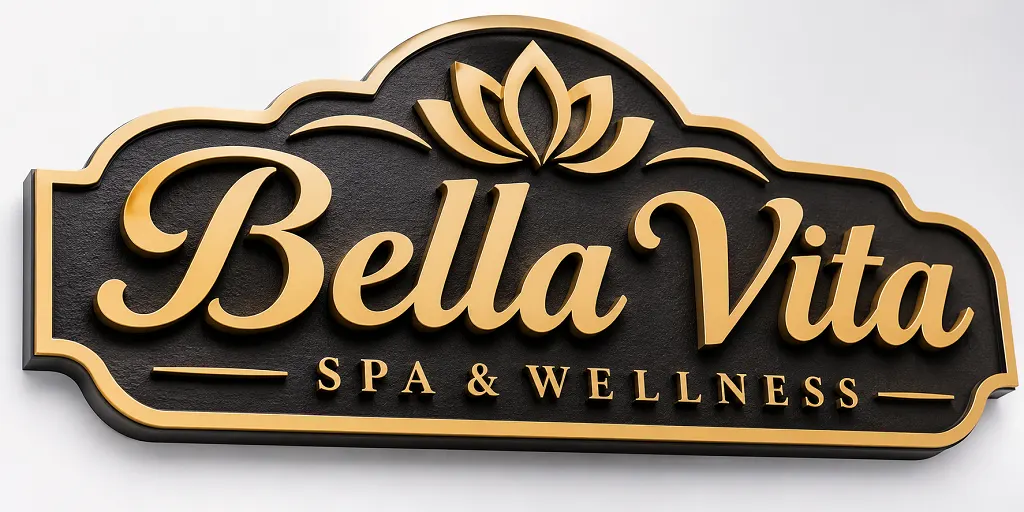
Foam Routed Signs and CNC-Cut Signage: When and Why Businesses Choose This Format
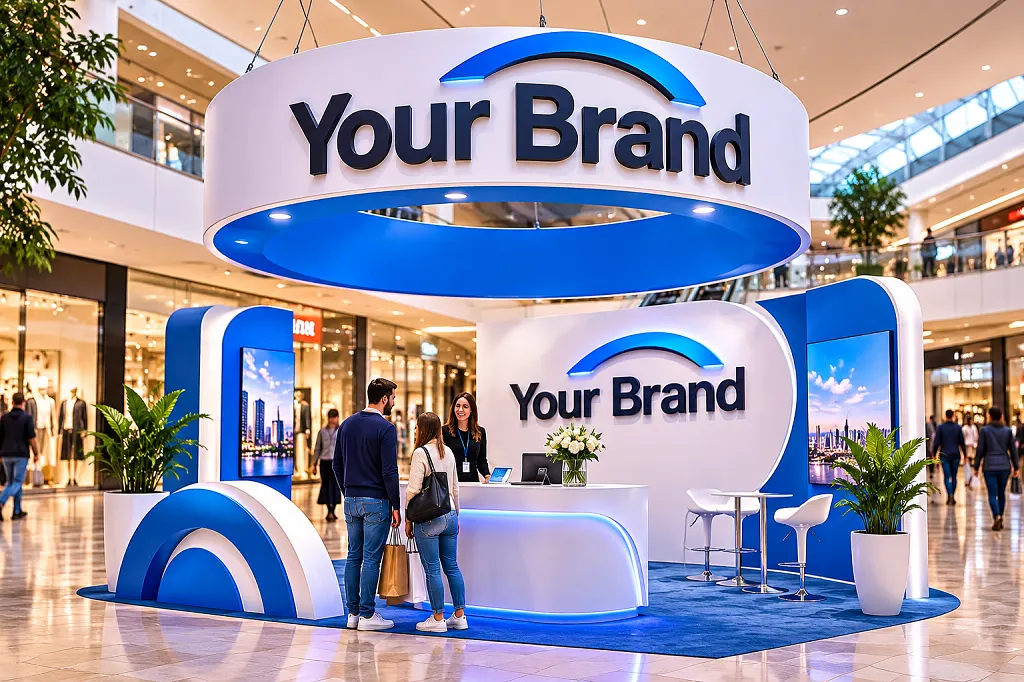
Hanging Signs for Trade Show Booths: Weight, Rigging, and Sightlines That Work
Oversized Foam Letters for Events, Retail Displays, and Brand Activations
PVC, Acrylic, or Small Metal Letters: Choosing the Right Dimensional Letters for Your Storefront
Foam Sculptures and Oversized Product Replicas: How Brands Build Unmissable Experiential Marketing
How Backlit and Halo-Lit Signs Turn a Storefront Into a Landmark After Dark

Digital Signage for Business: What It Is and How to Use It Effectively
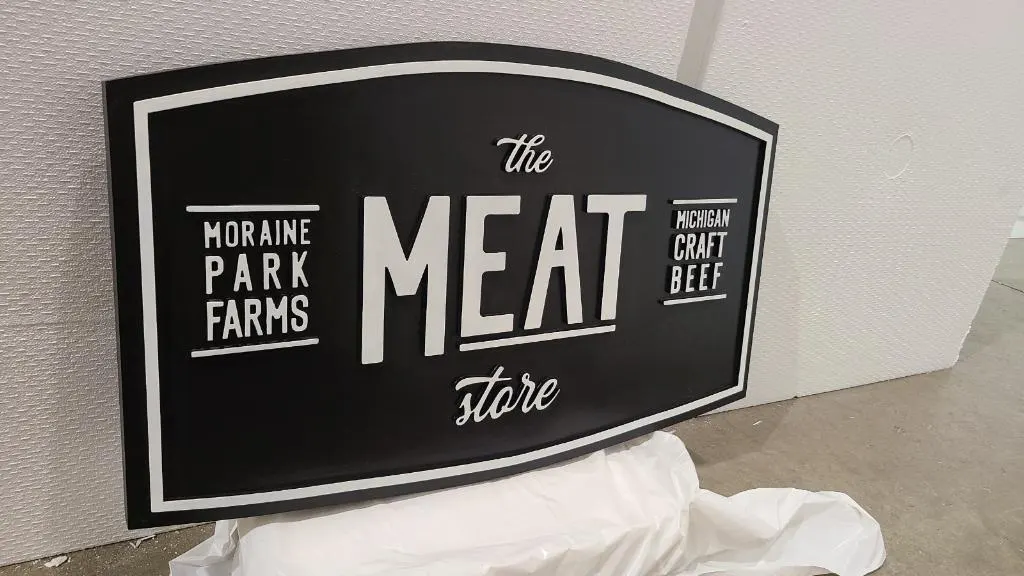
Sandblasted and V-Carved Signs: The Craft Behind Timeless, Hand-Finished Business Signage
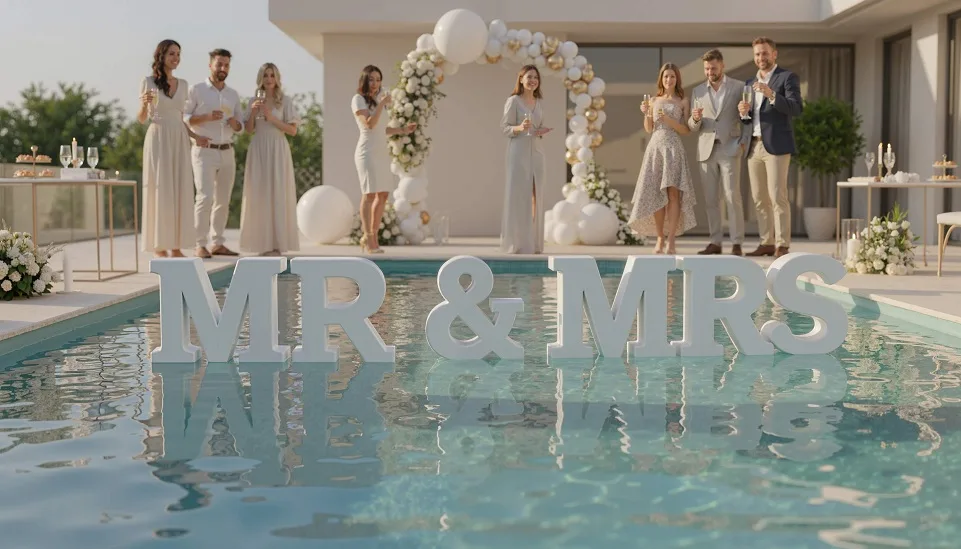
Floating Pool Letters: A Fresh Way to Brand Pool Parties, Resorts, and Brand Activations

Premium 3D Dimensional Signage with Professional Lighting Solutions
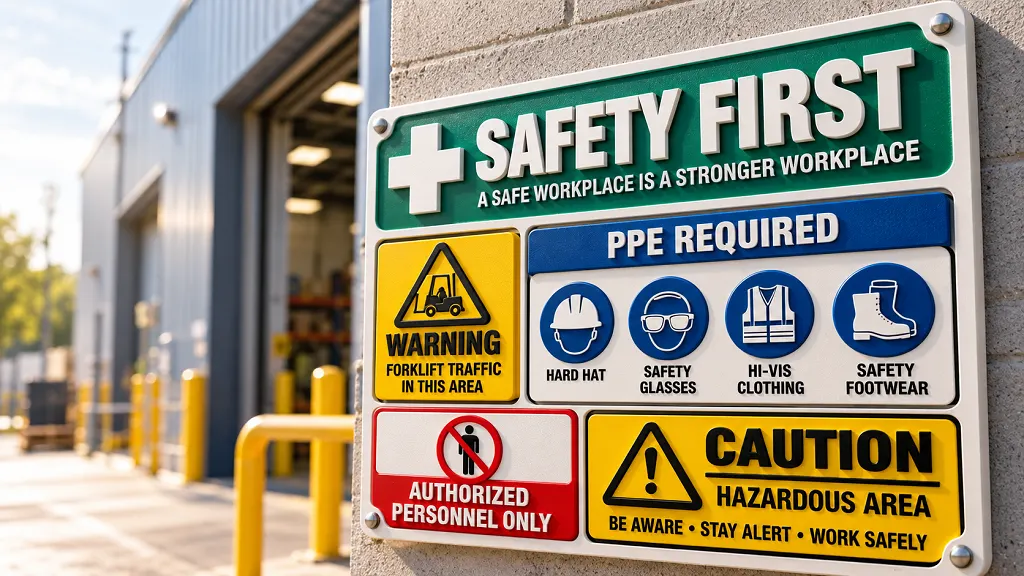
Safety and Warning Signs for the Workplace: A Complete Guide for Business Owners
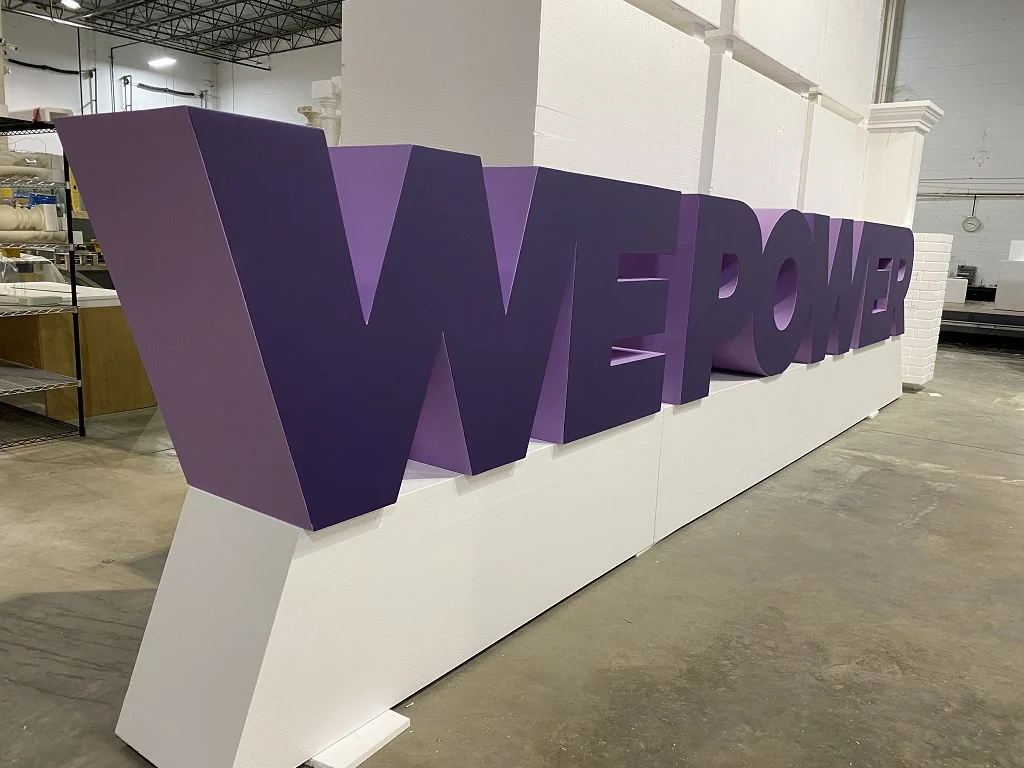
Massive 3D Dimensional Signage That Commands Attention
Recommended Articles
Foam Routed Signs and CNC-Cut Signage: When and Why Businesses Choose This Format
Hanging Signs for Trade Show Booths: Weight, Rigging, and Sightlines That Work
Oversized Foam Letters for Events, Retail Displays, and Brand Activations
PVC, Acrylic, or Small Metal Letters: Choosing the Right Dimensional Letters for Your Storefront
Foam Sculptures and Oversized Product Replicas: How Brands Build Unmissable Experiential Marketing
How Backlit and Halo-Lit Signs Turn a Storefront Into a Landmark After Dark