What Are Foam Routed Signs
Foam routed signs are dimensional signage elements created through precision routing of foam-based materials, followed by the application of protective and decorative coatings. At first glance, they may seem similar to traditional signs. In reality, the difference runs deeper — it’s not just about how they look, it’s about how they perform once installed.
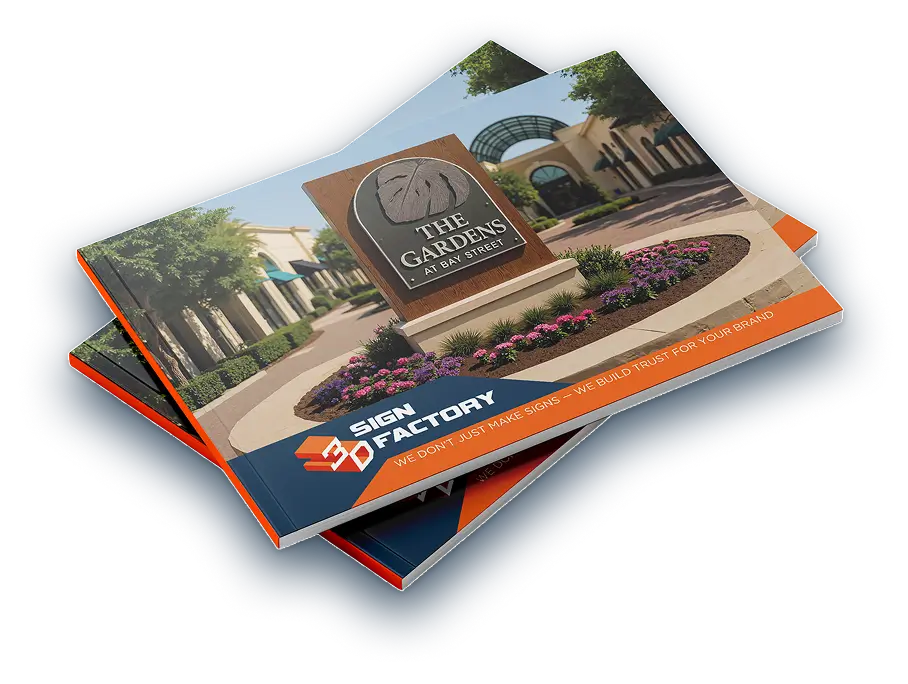
With 3D Sign Factory’s modern custom sign routing — built on the company’s core custom architectural foam fabrication — you’re not limited to standard shapes or off-the-shelf solutions. These can range from simple lettering to fairly complex architectural pieces. Everything is built using CNC technology and digital modeling, which means the final product gets tailored to the actual building, not the other way around. In real projects, that makes a bigger difference than most people expect.
A separate category worth mentioning is 3D routed signage. This is where things start to get more sculptural — deeper cuts, layered geometry, more dimensional presence. In that space, custom 3D routed signs are often used as focal points. They don’t just display information — they shape how the space is perceived.
At the same time, 3D signs for businesses and custom post and panel signs remain the most widely used solutions. They hit that practical balance: strong visual impact, manageable weight, reasonable cost. That’s exactly why you see them everywhere, indoors and out.
Main Types of Foam Routed Signs
All routed signs generally fall into two categories: functional and decorative. Functional signage is built with a clear purpose — identification, wayfinding, branding. This includes signs for buildings and standard company signs, where clarity and durability come first. You’ll typically see these in office buildings, healthcare environments, and retail spaces where consistency matters.
Decorative solutions, on the other hand, are more about visual experience. This is where modern signage and custom 3d routed signs come in. These aren’t just signs — they’re part of the environment. Texture, depth, shadow — all of it plays a role. In hospitality or entertainment projects, this kind of detail is what sets a space apart.
Custom Logo Signs
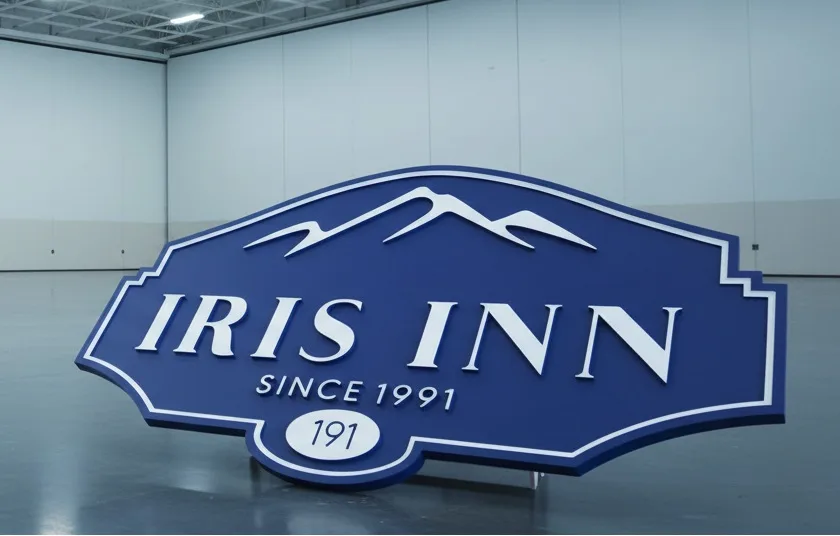
Custom logo signs are commonly used for exterior logos and building names. The big advantage here is scale — you can scale up without placing excessive load on the structure, which becomes critical on taller facades.
You’ll also see these used indoors quite a bit — reception areas, office walls, showrooms. It’s a clean way to reinforce branding without overcomplicating the design.
Because foam is lightweight and CNC processing is precise, these letters can be produced in almost any size or shape. And they hold their form well, which isn’t always the case with heavier materials.
Custom Post and Panel Signs
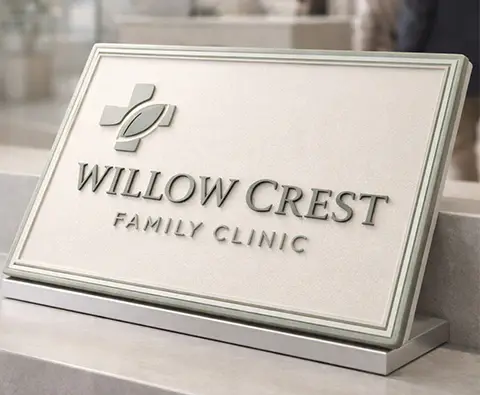
Stone-style custom post and panel signs allow you to achieve a solid, heavy look without actually dealing with the weight. That’s a big deal on most commercial facades, especially when structural limits come into play.
Wood textures offer a similar advantage. You get the warmth and character of wood, but without worrying about moisture, warping, or long-term maintenance. That trade-off alone makes a significant difference in outdoor applications.
Brick-style finishes are often used in themed or branded environments. Restaurants, retail spaces, custom store signs, entertainment venues — anywhere atmosphere matters.
In practice, custom post and panel signs give designers more freedom. You’re not limited by the natural constraints of the material — you can shape the look without inheriting the limitations.
Custom CNC Signs
Custom CNC signs provide a level of precision that’s hard to replicate manually. Every cut is controlled, every detail repeatable. That’s especially important for multi-location brands where consistency isn’t optional.
The technology also allows for more complex geometries — tight corners, layered depths, fine detailing. Things that would be difficult, or just not practical, to do by hand.
Custom 3D Routed Signs
Custom 3d routed signs come into play when signage becomes part of the architectural story. These aren’t flat elements — they’re dimensional, often sculptural, sometimes even structural in appearance.
They’re commonly used in higher-end commercial projects — hospitality, themed environments, feature facades. When done right, they don’t feel like signage at all. They feel like part of the building.

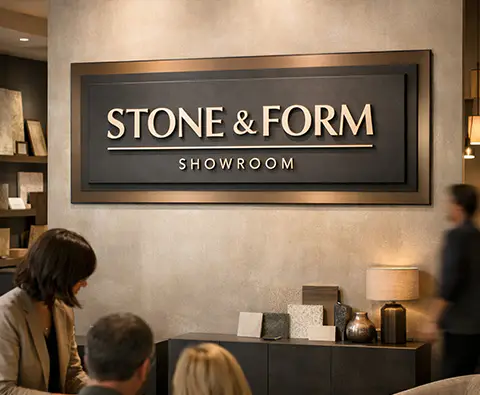
Materials and Technology: How Durability Is Achieved
The durability of foam routed signs comes down to how the system is built, not just the core material. EPS foam, typically in the 1.0 to 3.0 lb/ft³ range, provides the lightweight base. That part is straightforward. The real performance comes from what’s added on top.
A layered protection system is applied — reinforcement, followed by polyurethane or polyurea coatings, then the final finish. Coating thickness typically ranges from about 0.08 to 0.4 inches, and that’s not arbitrary — it’s adjusted depending on where the sign will actually live.
In places like Florida, for example, UV exposure and humidity are major factors across the signage industry, and projects often fail when the coating system wasn’t designed for that environment. That’s why UV-resistant coatings and moisture protection aren’t optional — they’re essential.
When all layers are done right, routed signs can hold up for 20 years or more. But it really comes down to execution.
Production Process: How Routed Signs Are Made
1. Engineering Assessment
At the start, the project is evaluated in real terms — surface conditions, climate, load requirements. This is where most long-term issues in sign building are either avoided or built in, depending on how well it’s done.
2. CAD Modeling
A digital model is created to define geometry, mounting strategy, and structural behavior. It’s not just a drawing — it’s essentially a working plan for how the sign will exist in real space.
3. CNC Milling / Routing
The foam is cut using CNC equipment. This step defines the accuracy of the entire piece. If inaccuracies occur at this stage, all subsequent steps are affected.
4. Geometry Refinement
After cutting, the piece is refined — edges cleaned up, surfaces adjusted, details sharpened. This step is often overlooked, but it has a real impact on the final look.
5. Protective Coating Application
Reinforcement and coatings are applied. This is where durability gets built in. Compromises at this stage typically show up later — outdoors, under real conditions.
6. Texturing
Surface finishes are added to simulate materials like stone or wood. This is where the visual character is defined.
7. Painting
Color is applied using professional systems. Matching brand colors accurately is often more challenging than it sounds.
8. Quality Control
Everything is checked — dimensions, finish, structural readiness. At this point, the goal is simple: no surprises on site.
Comparison with Alternatives
| Material | Weight | Installation | Durability | Cost |
| EPS foam | low | fast | high | optimal |
| Wood | medium | moderate | medium | moderate |
| Concrete | very high | complex | high | high |
| Metal | high | complex | medium | high |
In real-world terms, especially for in store signs, foam routed signs tend to offer the most balanced solution. Lower weight means easier handling, faster installation, and less structural stress. Those factors often matter more than material cost alone.
Where Foam Routed Signs Are Used
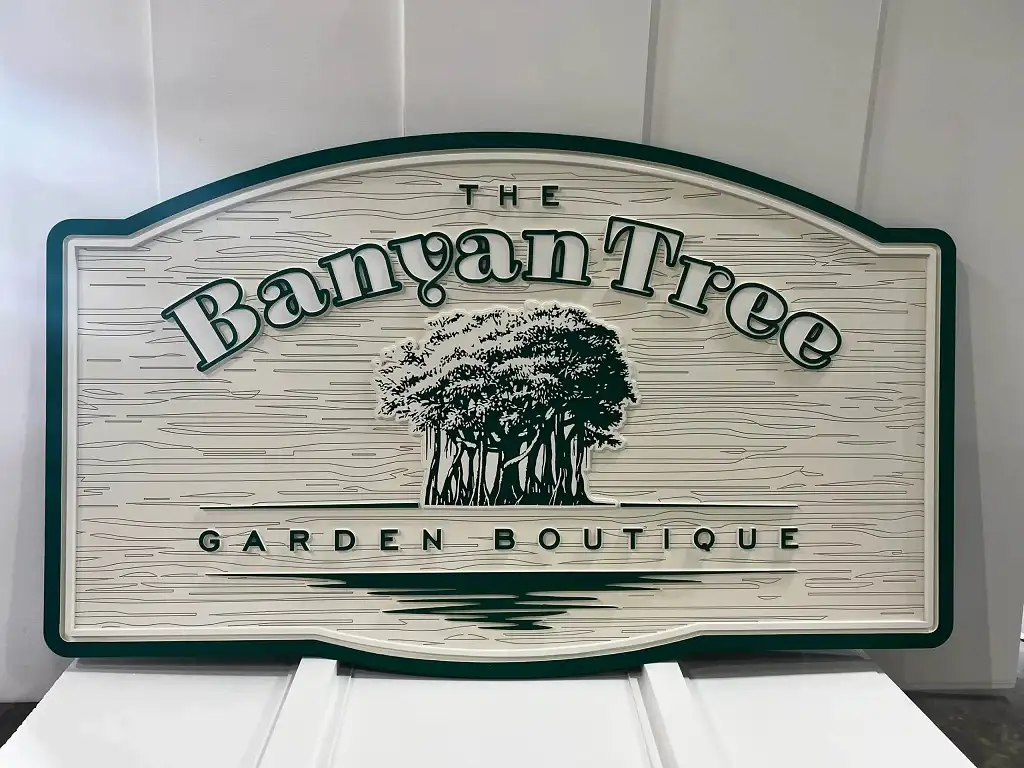
In hotels and resorts, routed signs are often part of the first impression. Larger elements, textured finishes — they help establish the overall tone before anything else does.
In restaurants and cafés, custom bar signs play a role in shaping the atmosphere. It’s subtle sometimes, but it adds up. The space feels more intentional.
Shopping centers rely on custom CNC signs for consistency. Multiple tenants, multiple locations — everything needs to align visually, from storefront signs to retail signs throughout the concourse.
Office buildings use these systems to reinforce branding while keeping things clean and professional. No excess, just clarity.
In healthcare environments, clarity and durability are critical — some of our best wayfinding signage examples come from exactly these settings. Routed signage needs to perform reliably over time, without constant maintenance.
In entertainment spaces, custom 3d routed signs are often used to create immersive environments. This is where signage becomes part of the experience itself.
In community and civic contexts, church signs, school signs, and real estate signs follow the same principles — clear identification, durable materials, and a look that fits the surrounding architecture. Neighborhood street signs and parking signs benefit just as much from the same lightweight, weather-resistant approach. Residential communities also come to us for a customized house sign or custom wood signs for home entries, where warmth and character matter as much as durability.
Why Small Engineering Teams Outperform Corporations
Large signage manufacturers, often organized as a sign franchise, tend to operate within fixed systems. That’s efficient, until the project doesn’t fit the system. And in reality, most projects don’t.
3D Sign Factory engineering teams work differently — the same hands-on architectural fabrication approach behind every category we build. Adjustments can be made mid-process. Geometry can be refined. Coatings can be adapted. It’s not always linear, but it’s responsive. That kind of hands-on sign making is what separates a smaller signage business from bigger players in the sign industry, and it shapes how new signage actually reaches production.
Another factor is communication. Direct access to engineers and designers changes how decisions are made. Things move faster, with fewer layers and fewer delays. That’s often exactly what someone searching for a signage company near me is hoping to find.
Over time, that flexibility translates into better results — not just in the product, but in the entire project lifecycle.
Engineering Notes and Pricing
Lower-grade coatings tend to break down faster under UV exposure. This has been observed repeatedly, especially in southern climates.
Moisture is another factor. In coastal regions, standard protection often isn’t enough.
Larger signs introduce wind load considerations. That needs to be addressed early, not after installation.
Installation itself is often underestimated, but it plays a major role in the long-term performance of any routed sign. As for routed signs pricing, it’s driven by size, complexity, coating systems, and installation conditions. That said, lighter weight often reduces overall project cost more than people expect.
Conclusion
Custom 3D signs offer a combination of flexibility, performance, and efficiency that’s hard to match with traditional materials. They allow for more creative freedom while keeping structural and installation challenges manageable.
At the end of the day, it’s not just about producing signage. It’s about creating something that works — in real conditions, over time, without unnecessary complications.
Ready to get started? Contact 3D Sign Factory today to request a free quote.
Read more
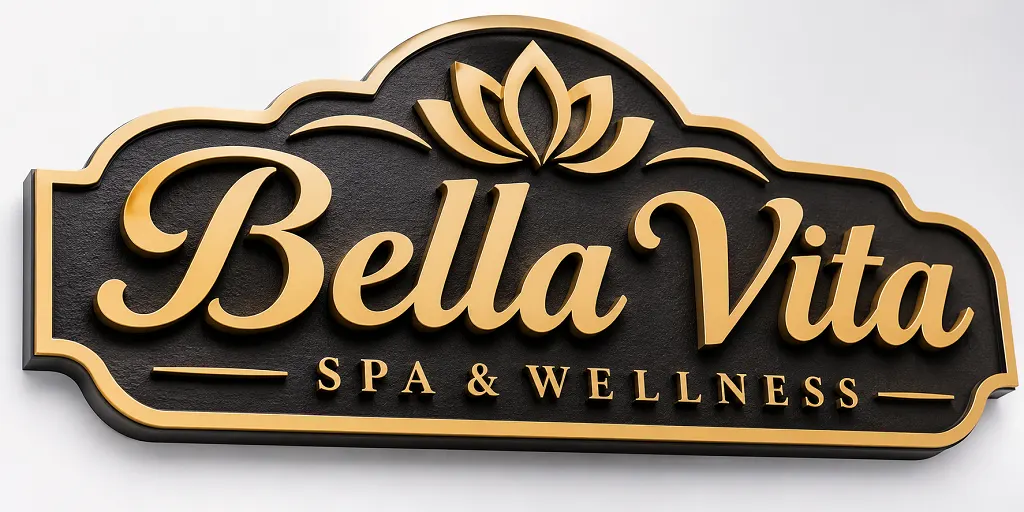
Foam Routed Signs and CNC-Cut Signage: When and Why Businesses Choose This Format
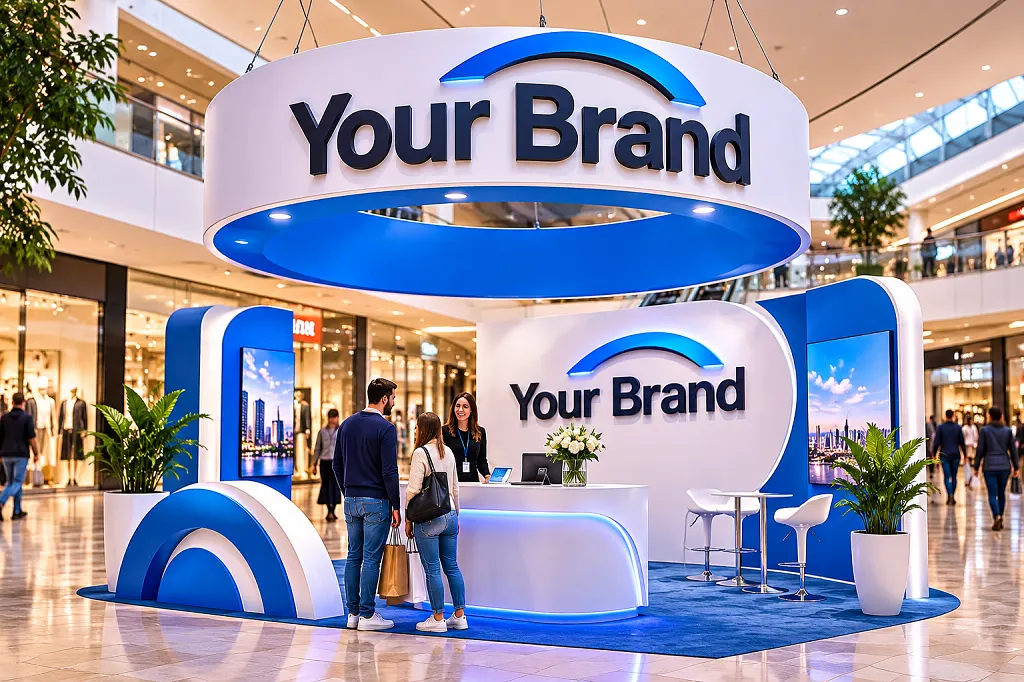
Hanging Signs for Trade Show Booths: Weight, Rigging, and Sightlines That Work
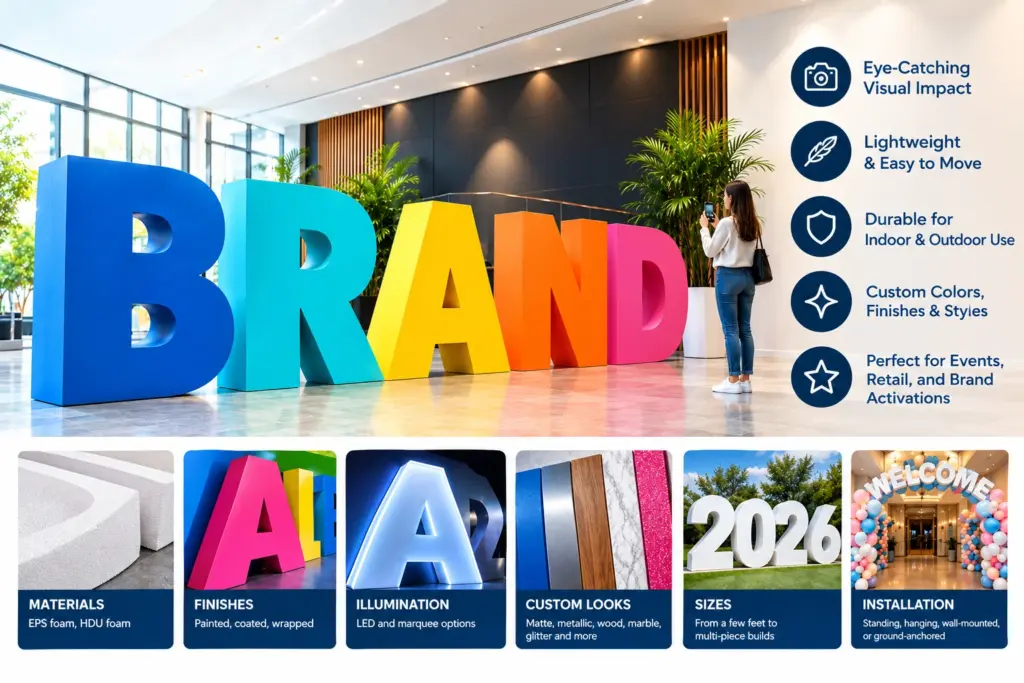
Oversized Foam Letters for Events, Retail Displays, and Brand Activations
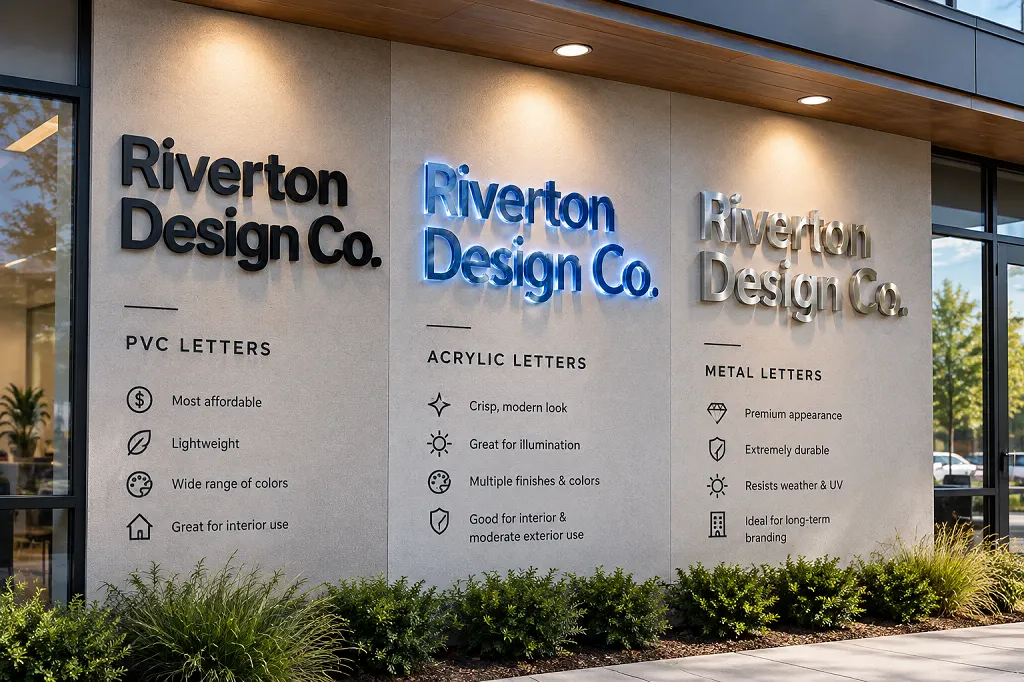
PVC, Acrylic, or Small Metal Letters: Choosing the Right Dimensional Letters for Your Storefront
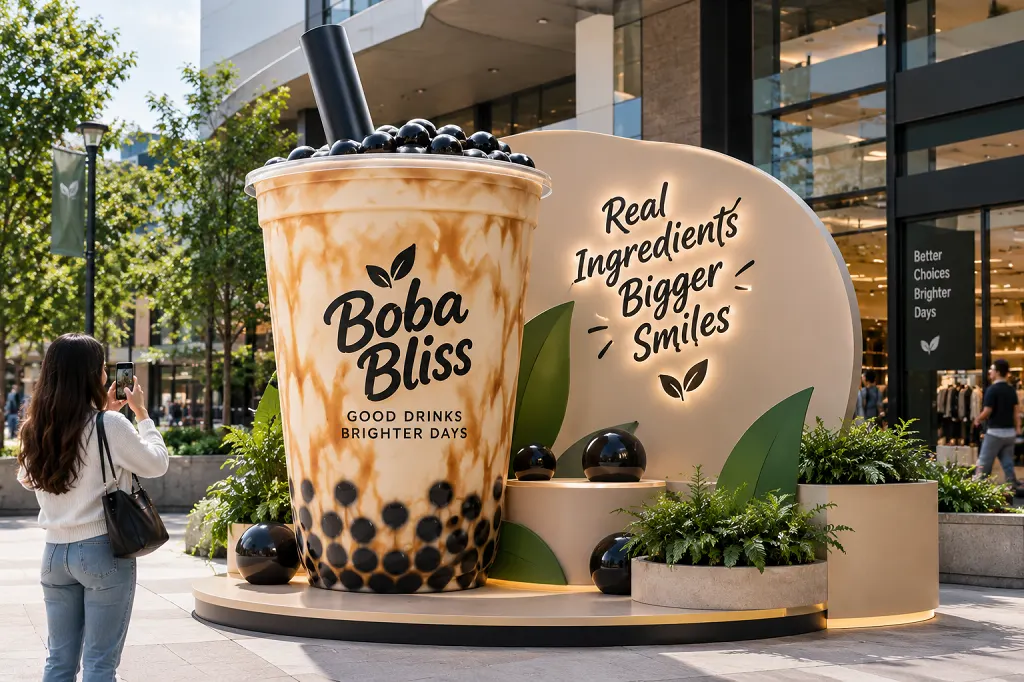
Foam Sculptures and Oversized Product Replicas: How Brands Build Unmissable Experiential Marketing
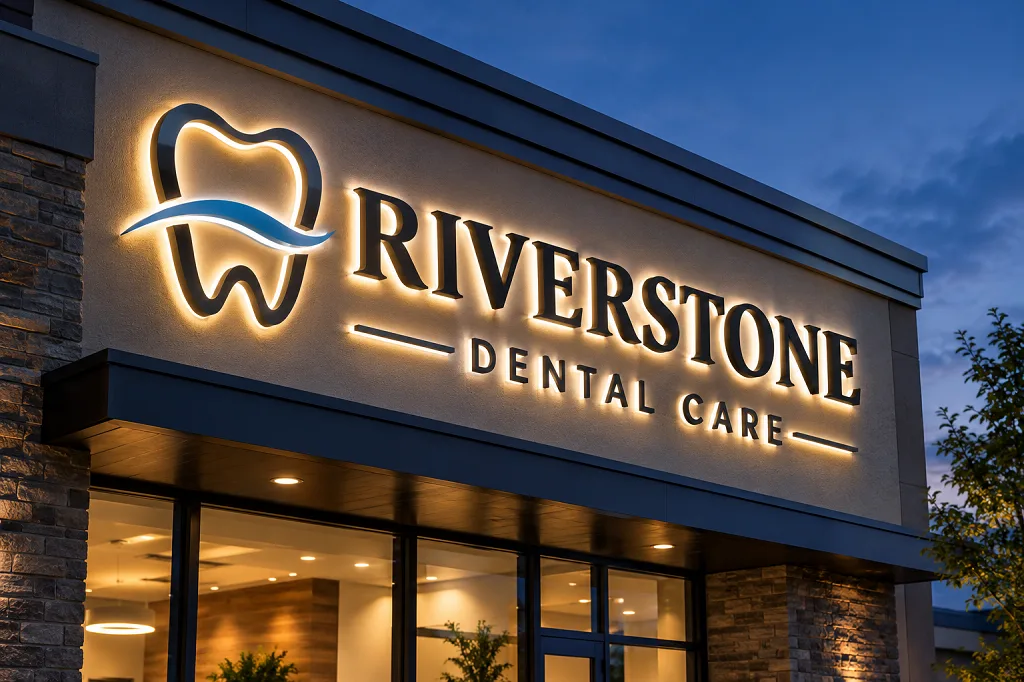
How Backlit and Halo-Lit Signs Turn a Storefront Into a Landmark After Dark
Digital Signage for Business: What It Is and How to Use It Effectively
Sandblasted and V-Carved Signs: The Craft Behind Timeless, Hand-Finished Business Signage

Floating Pool Letters: A Fresh Way to Brand Pool Parties, Resorts, and Brand Activations
Premium 3D Dimensional Signage with Professional Lighting Solutions
Safety and Warning Signs for the Workplace: A Complete Guide for Business Owners
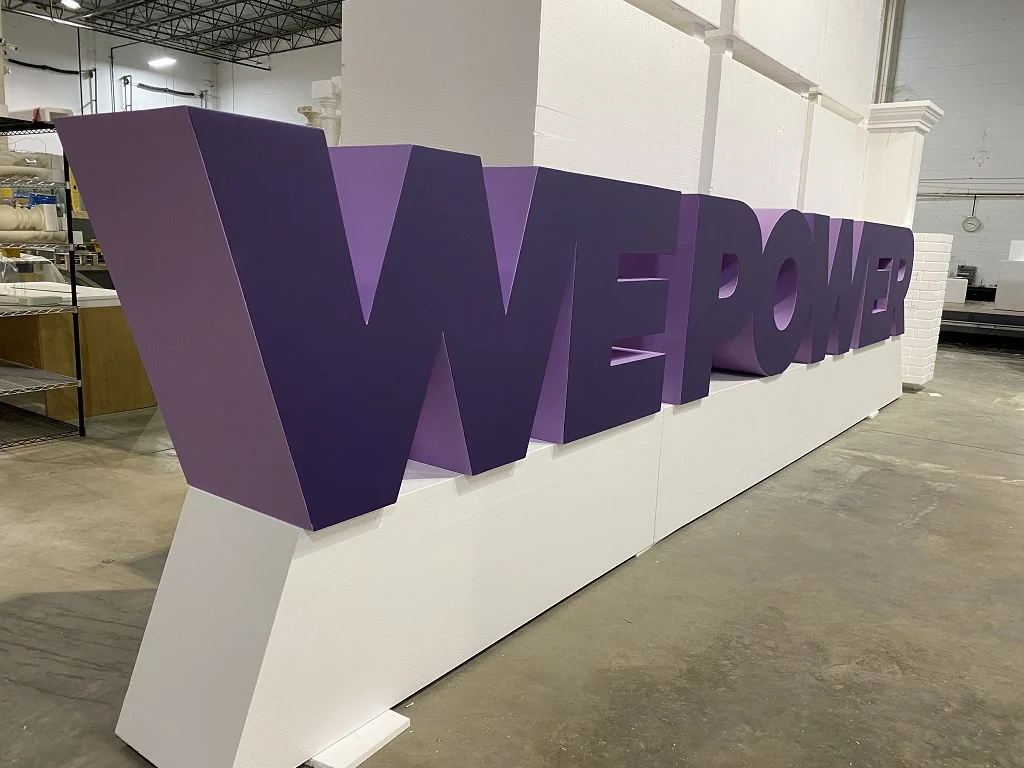
Massive 3D Dimensional Signage That Commands Attention
Recommended Articles
Foam Routed Signs and CNC-Cut Signage: When and Why Businesses Choose This Format
Hanging Signs for Trade Show Booths: Weight, Rigging, and Sightlines That Work
Oversized Foam Letters for Events, Retail Displays, and Brand Activations
PVC, Acrylic, or Small Metal Letters: Choosing the Right Dimensional Letters for Your Storefront
Foam Sculptures and Oversized Product Replicas: How Brands Build Unmissable Experiential Marketing
How Backlit and Halo-Lit Signs Turn a Storefront Into a Landmark After Dark