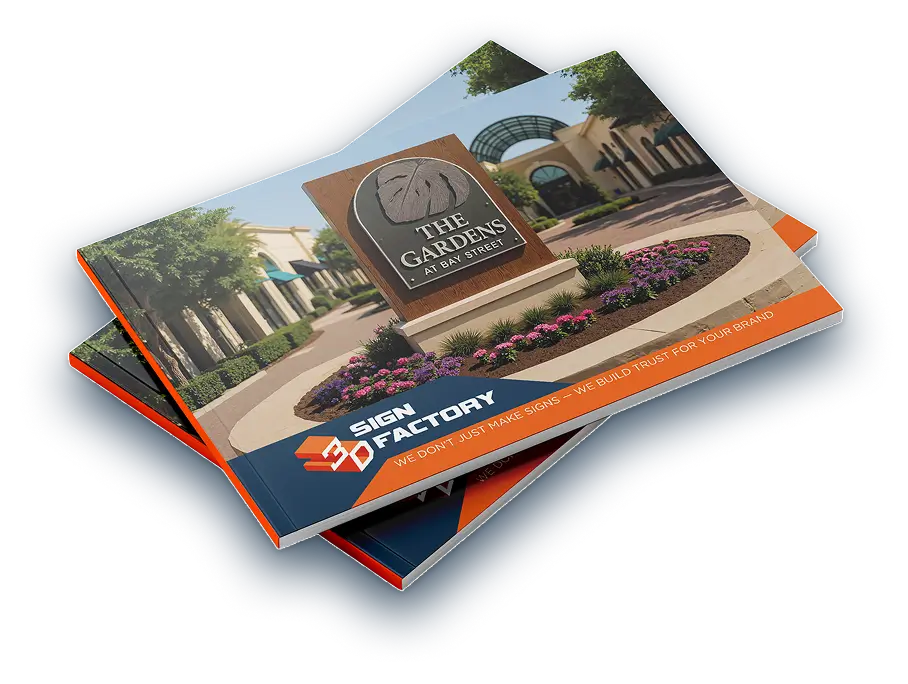
3D Logo Branding Installations
When a Logo Stops Being Decoration and Starts Working for the Business
Many companies overlook one critical factor until problems begin to appear.
A logo on its own doesn’t attract people. It doesn’t guide them. It doesn’t hold attention. It remains passive until it becomes integrated into the surrounding environment.
That’s where 3D logo signs start to change how things work.

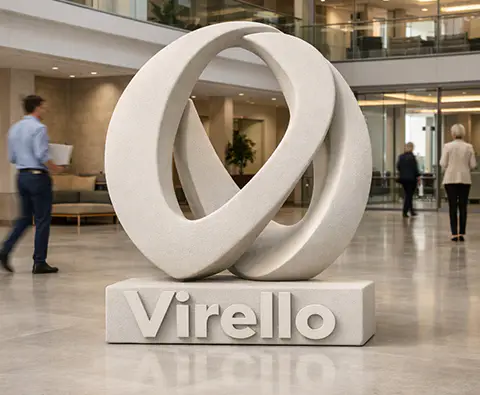
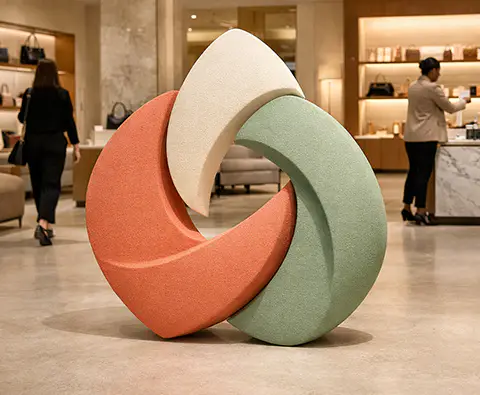
When a logo turns into a physical object — something you can walk around, see from different angles, experience in motion — it becomes functional. Not decorative. That’s exactly what custom business branding is designed to do: embed the brand into the environment so it actively shapes how people move, notice, and remember.
In real projects, the difference is obvious.
People don’t stop to analyze design — they react to it.
And 3D logo signs operate on that level. Fast, intuitive, almost automatic.
From a business standpoint, this matters more than it might seem at first. Better visibility at entry points means smoother navigation. Smoother navigation often translates into higher engagement and even measurable increases in foot traffic. This effect has been observed repeatedly in commercial projects.
And here’s the part that tends to get overlooked: these installations don’t just “add” to a space — they organize it. They create visual anchors. They guide attention. In some cases, they help resolve functional and visual challenges that weren’t obvious on paper.
When a Logo Stops Being Artwork and Becomes Architecture
There’s a shift that happens when branding moves beyond flat surfaces.
3D logo wall signs introduce depth, scale, and physical presence. They don’t just sit in a space — they interact with it. Light changes them throughout the day. Angles change perception. Movement changes how they’re read.
And this is where most standard solutions start to fall short.
Flat logos can look clean, even polished. But they rarely hold attention.
Logo displays do something different — they create moments of attention and engagement. That’s what makes them effective.
In environments with heavy foot traffic — retail, hospitality, public venues — attention is limited. You don’t get a second chance to be noticed. That’s why branding design at this level needs to work instantly.
There’s another layer to this. The more complex the space, the more important integration becomes. A logo that feels “applied” usually underperforms. A logo that feels like it belongs there — structurally, visually, spatially — tends to perform better over time.
In practice, this isn’t about aesthetics. It’s about behavior. And behavior drives results.
How Materials Evolved — And Why Foam Leads the Future
Materials in the branding space have shifted quite a bit over the last decade.
There was a time when heavier meant better — steel, concrete, dense composites. That thinking still shows up in specs. But in practice, it doesn’t always hold up.
Today, a 3D business logo built with custom architectural foam (EPS) is becoming a go-to solution — not because it’s trendy, but because it solves more problems than it creates.
We’ve worked on projects where metal was the original plan. On paper, it made sense. Then came the realities: weight limits, install complexity, timeline pressure. Switching to foam didn’t just solve those issues — it opened up better design options.
Speed is another factor.
In the U.S. market, timelines matter, and often significantly.
If an installation can be produced faster without sacrificing quality, that’s a real advantage.
And then there’s adaptability. Designs change. Conditions shift. With foam, adjustments are possible. With rigid materials, they’re often not — or they come at a cost.
Ultimately, foam doesn’t replace other materials. It just outperforms them in more situations than people expect.
Materials and Technology: Where Innovation Meets Branding Reality
At 3D Sign Factory, every 3D logo sign project starts with engineering — whether it’s obvious or not. From CAD to coatings, it’s all handled through our own in-house architectural fabrication.
A CAD model is developed to define proportions, structure, mounting, and load behavior. This stage goes beyond visual design — it’s where most long-term issues are either solved… or introduced.
Then comes CNC routing.
This stage ensures precise shaping and consistent dimensions across every element, helping achieve clean alignment, accurate detailing, and a high-quality finish throughout the final installation.
After fabrication, the coating system is applied. Typically:
- reinforcement layer
- polyurea protection system
Thickness can reach up to 0.4” depending on exposure.
The coating system is selected based on the installation environment to ensure long-term durability and consistent performance.
For outdoor applications, factors such as UV exposure, moisture, and climate conditions are carefully considered so the finish remains protected and maintains its appearance over time.
Final stages include texturing and finishing.
This is where perception is shaped. Whether the piece feels premium or average often comes down to this step.
Another thing worth mentioning: modern surface systems don’t just look realistic — they feel realistic too. That tactile quality adds another layer to how a brand is experienced.
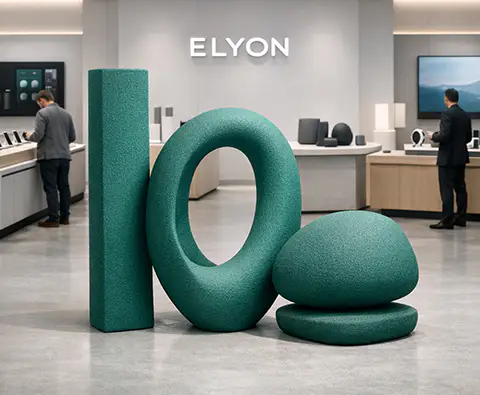
Why Foam Beats Traditional Architectural Materials
Foam is not necessarily superior because of raw strength.
It wins because it’s more efficient.
Custom installations built with foam are:
- significantly lighter
- faster to produce
- easier to install
- more flexible during design changes
That flexibility is a major operational advantage.
In real-world projects, design and site adjustments are common. Design tweaks. Structural constraints. Site limitations. Being able to adapt without starting over saves time — and budget.
Here’s a simple comparison:
| Material | Weight | Installation | Flexibility | Cost |
| Foam | low | fast | high | optimal |
| Metal | high | complex | low | high |
| Concrete | very high | complex | very low | high |
From a business perspective, the decision often comes down to efficiency.
Not just what works — but what works with fewer complications.
And that’s usually where foam stands out.
Where Our Projects Perform Best
Shopping Centers
In retail environments, a storefront logo plays a direct role in customer flow.
People move quickly. Attention is limited. Clear, dimensional logos help guide movement without forcing it.
We’ve seen cases where better visibility alone improved traffic to specific tenants. Not dramatically overnight — but consistently over time.
Corporate and Tech Campuses
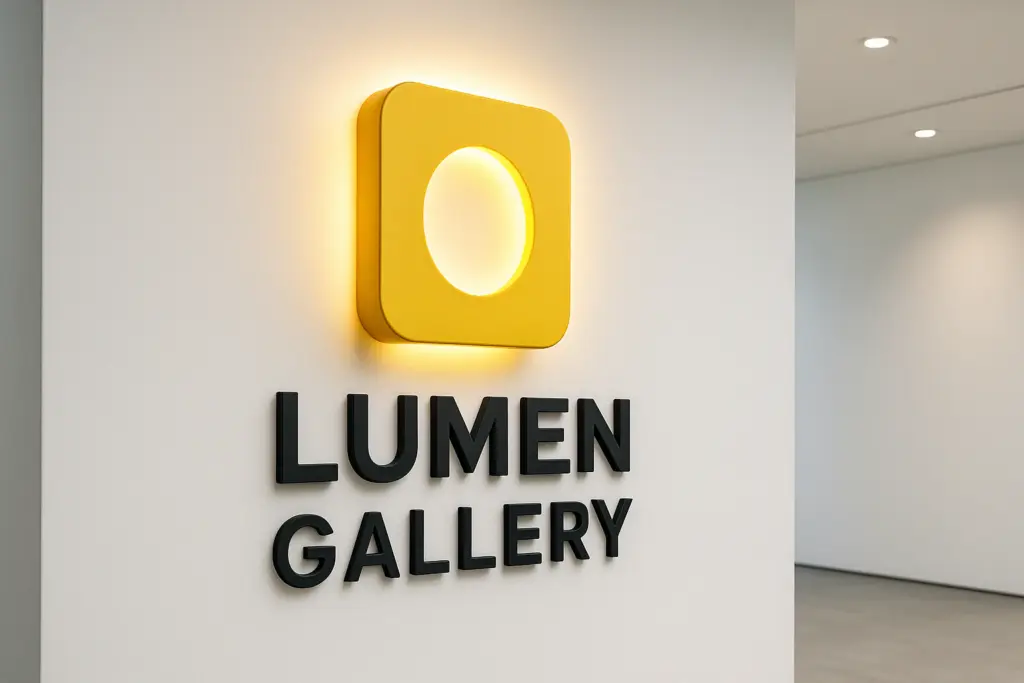
In corporate settings, a reception logo wall does more than reinforce identity. It helps define culture.
Employees see this 3d office logo daily. Clients see it on arrival. That consistency builds perception — internally and externally.
Hotels and Tourist Areas
In hospitality, first impressions carry weight.
Restaurant logo signs create that initial “moment” people remember. And those moments often show up later — in reviews, in photos, in recommendations.
Sports and Entertainment Venues
In high-energy environments, static visuals don’t do much.
A logo wall display creates interaction — even without technology. It draws people in, naturally.
Civic and Educational Spaces
Here, clarity and durability matter most.
Signage needs to perform reliably over time, not just look good at launch.
Architectural integration helps ensure that.
Micro Case (Real Scenario)
At 3D Sign Factory, we worked on a retail project where the main issue wasn’t design — it was visibility.
The entrance simply wasn’t being noticed. People were driving past it.
After installing a 3D business logo feature with dimensional depth and improved sightlines, entry recognition improved significantly. Traffic increased by roughly 20%.
Not because the design was flashy.
Because it was readable.
That’s the difference.
Engineering Notes: what actually matters in real projects
UV exposure breaks down coatings faster than expected — especially in southern states.
Moisture becomes an issue quickly if protection isn’t properly designed.
Large installations introduce structural load that needs to be addressed early.
Installation is not a final step — it’s part of the system.
And when it comes to cost, logistics and complexity often matter just as much as materials.
Conclusion
A 3D business logo isn’t about decoration anymore.
It’s about performance.
When a logo becomes part of the environment, it starts to influence how people move, notice, and remember.
3D logo signs don’t just improve how a space looks — they improve how it works.
And when everything lines up — design, engineering, execution — you don’t have to explain it.
It performs as intended.
Ready to bring your brand into physical space? Request a Free Quote from 3D Sign Factory and see what a custom 3D business logo can do for your location.
Read more
Foam Routed Signs and CNC-Cut Signage: When and Why Businesses Choose This Format
Hanging Signs for Trade Show Booths: Weight, Rigging, and Sightlines That Work
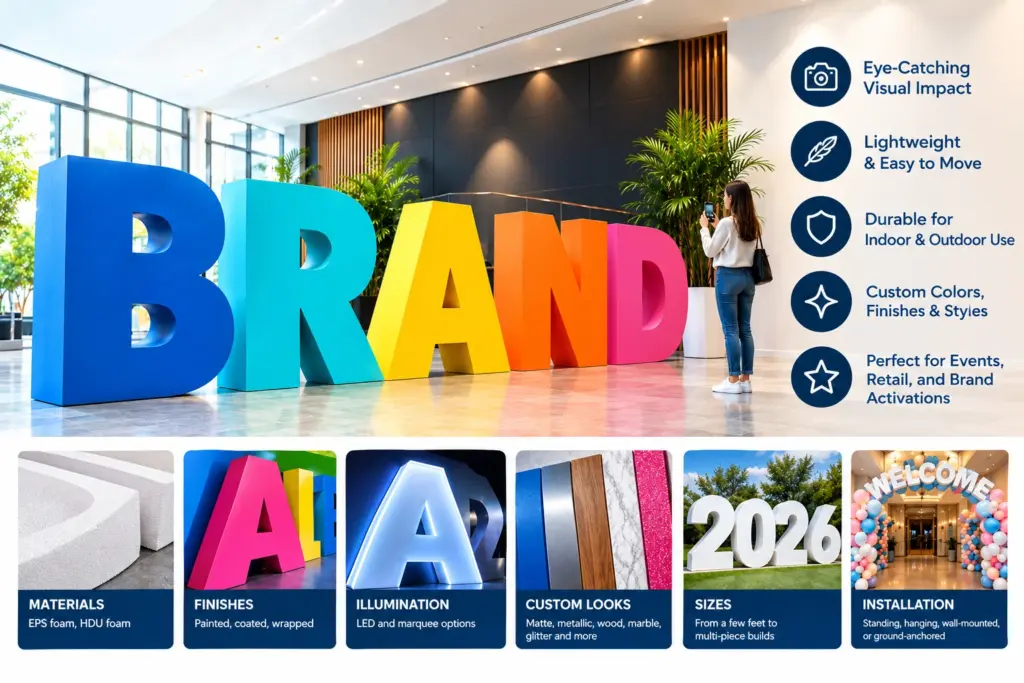
Oversized Foam Letters for Events, Retail Displays, and Brand Activations
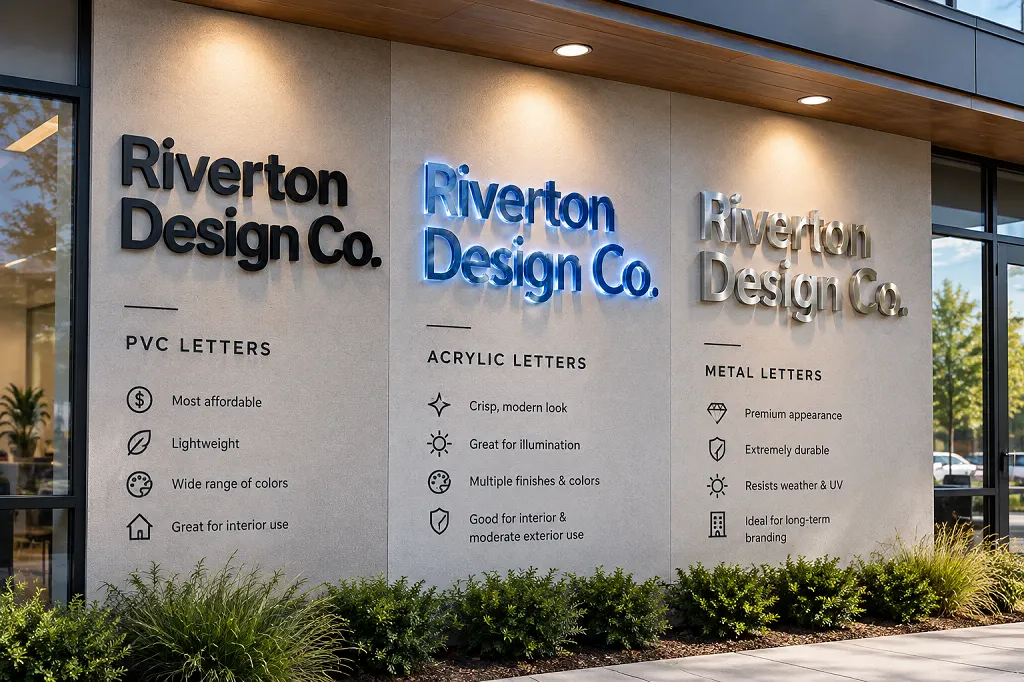
PVC, Acrylic, or Small Metal Letters: Choosing the Right Dimensional Letters for Your Storefront
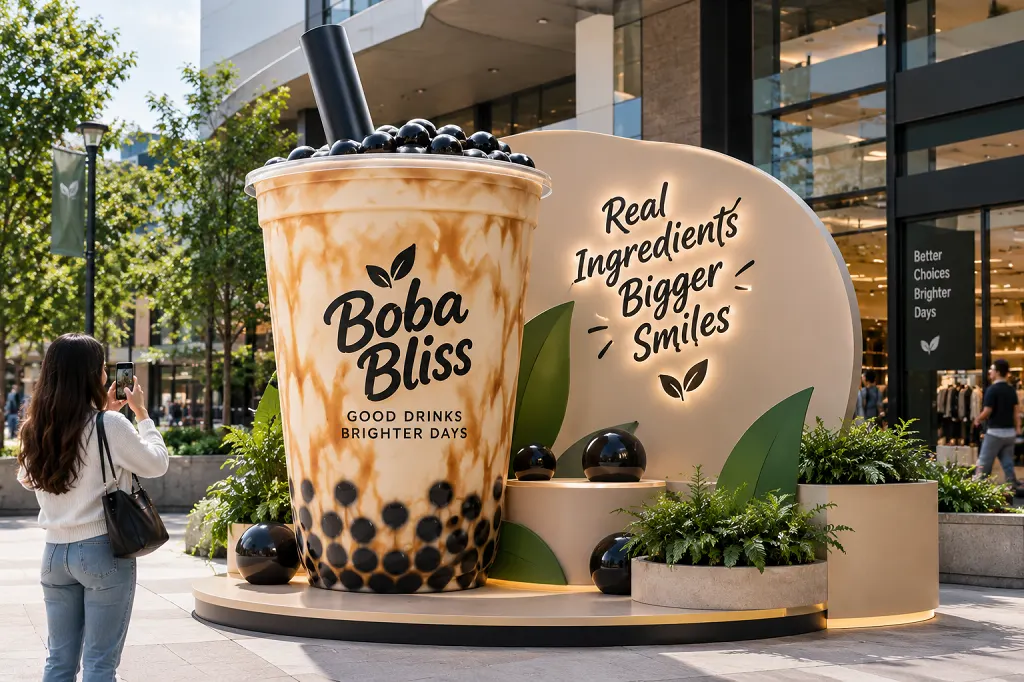
Foam Sculptures and Oversized Product Replicas: How Brands Build Unmissable Experiential Marketing
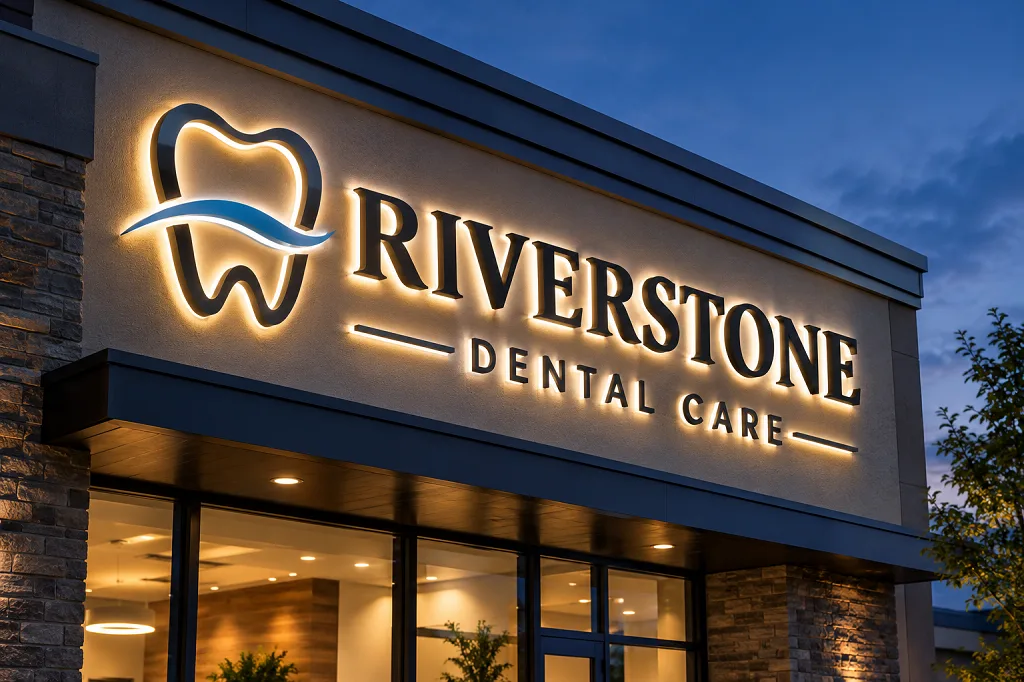
How Backlit and Halo-Lit Signs Turn a Storefront Into a Landmark After Dark
Digital Signage for Business: What It Is and How to Use It Effectively
Sandblasted and V-Carved Signs: The Craft Behind Timeless, Hand-Finished Business Signage
Floating Pool Letters: A Fresh Way to Brand Pool Parties, Resorts, and Brand Activations
Premium 3D Dimensional Signage with Professional Lighting Solutions
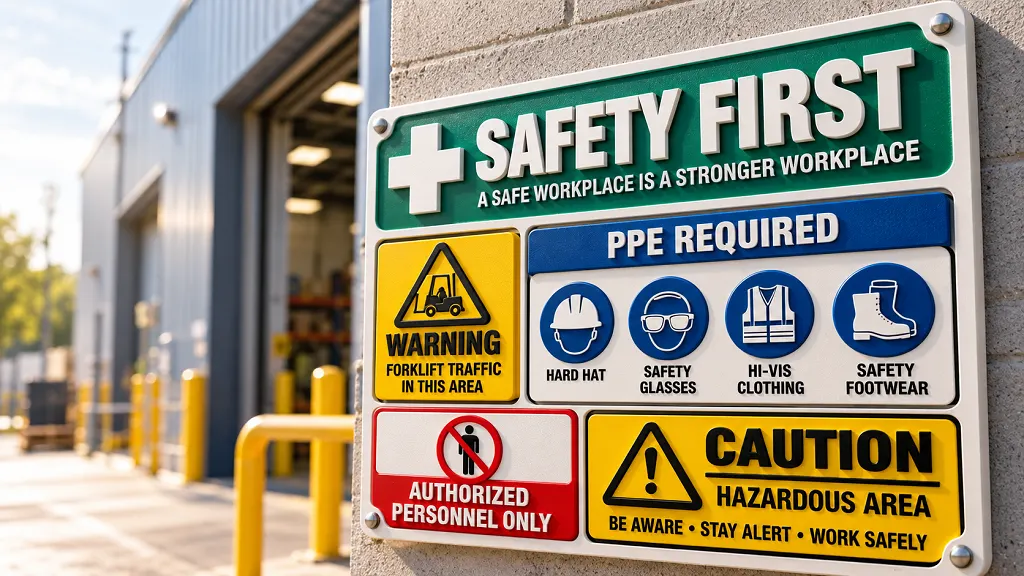
Safety and Warning Signs for the Workplace: A Complete Guide for Business Owners
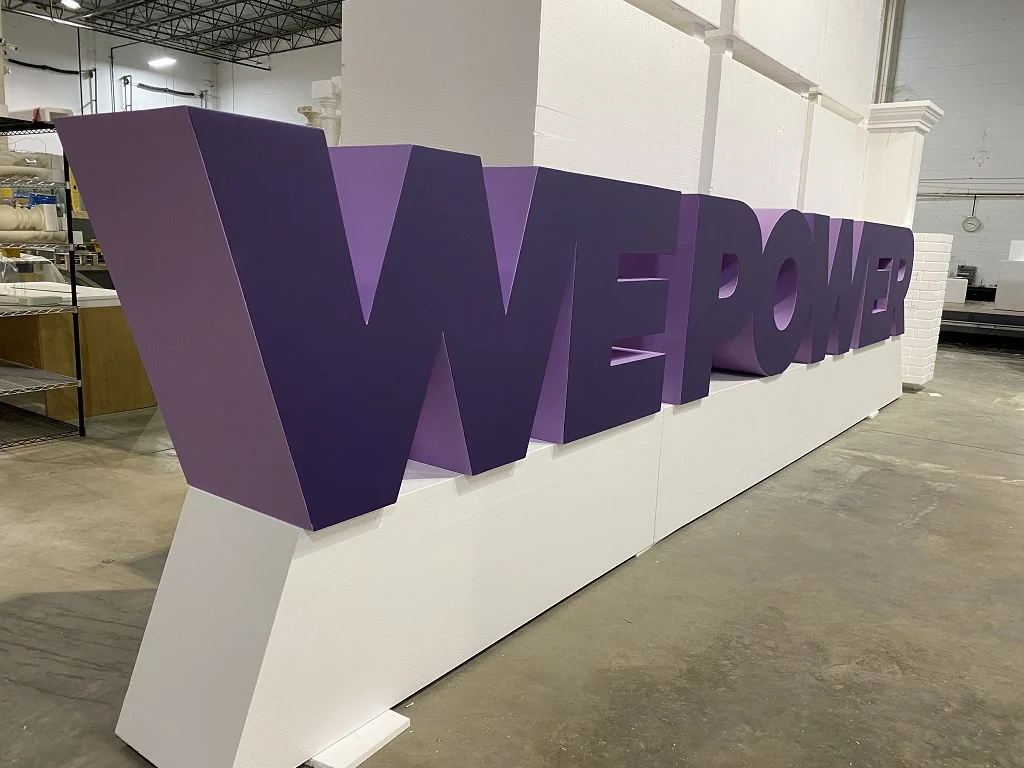
Massive 3D Dimensional Signage That Commands Attention
Recommended Articles
Foam Routed Signs and CNC-Cut Signage: When and Why Businesses Choose This Format
Hanging Signs for Trade Show Booths: Weight, Rigging, and Sightlines That Work
Oversized Foam Letters for Events, Retail Displays, and Brand Activations
PVC, Acrylic, or Small Metal Letters: Choosing the Right Dimensional Letters for Your Storefront
Foam Sculptures and Oversized Product Replicas: How Brands Build Unmissable Experiential Marketing
How Backlit and Halo-Lit Signs Turn a Storefront Into a Landmark After Dark